
Touge: How Japan's Mountain Passes Became the Birthplace of Drifting
Before D1GP, before Initial D, there was just Keiichi Tsuchiya, a Toyota AE86, and a series of switchbacks nobody built for racing.
Tōge — literally "pass" — is just the Japanese word for the narrow, switchbacked mountain roads that Japan's road engineers cut into its steep terrain decades before anyone thought to race on them. Those roads weren't built for speed; the tight S-bends exist to ease the grade for trucks. But a country that's over 70 percent mountainous ended up with an enormous, unintentional network of technical, low-traffic roads — and by the 1970s, drivers had started using them for exactly what their shape rewarded: a car that could be controlled sideways through a corner rather than just gripping through it.
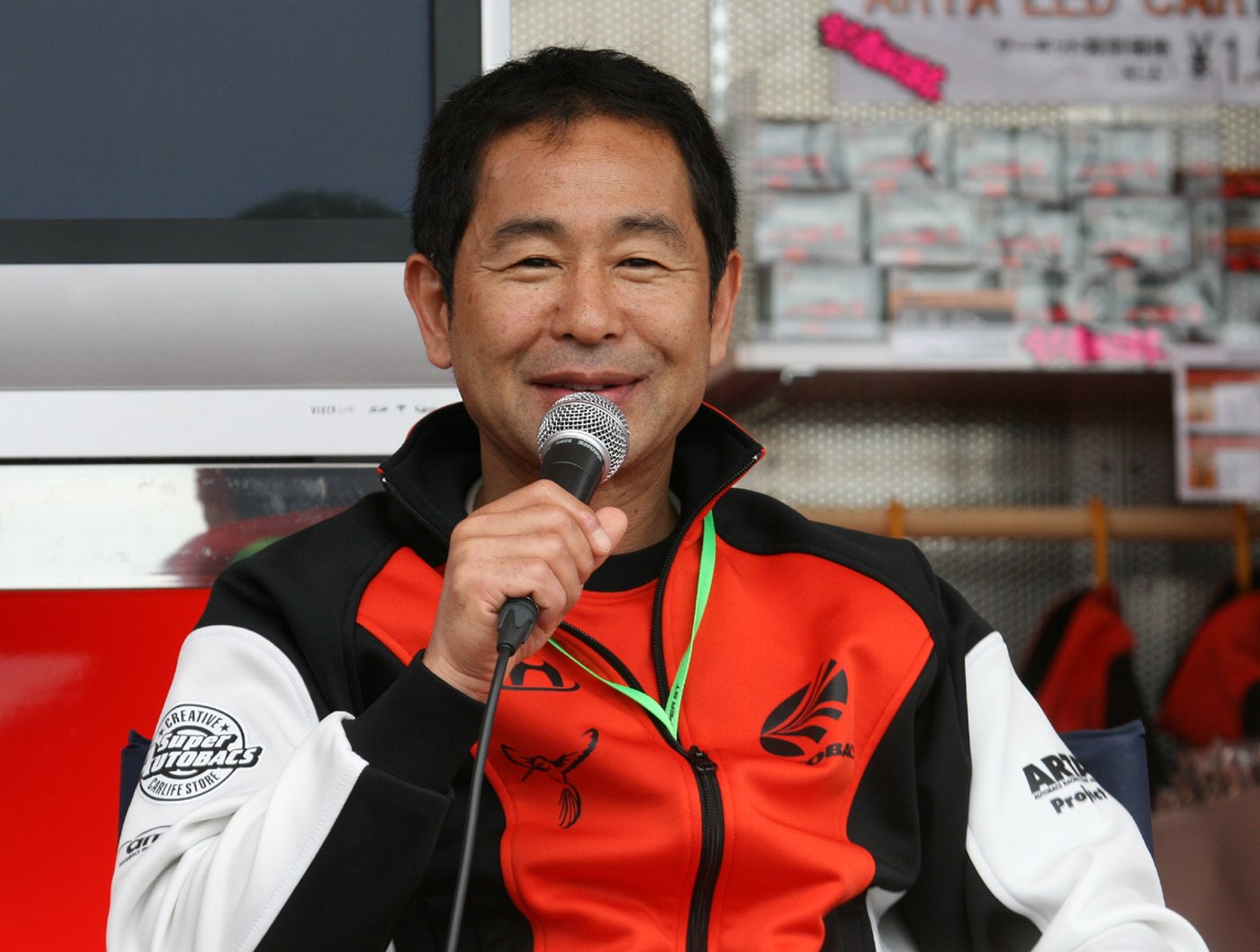
Motorcycle racer turned driver Kunimitsu Takahashi is generally credited as the technique's originator in the 1970s, but it was Keiichi Tsuchiya — born January 30, 1956, in Tomi, Nagano Prefecture — who turned touge driving into something the rest of the world would eventually recognize. Tsuchiya cut his teeth on those same mountain roads before moving into circuit racing, and by 1977 he'd already built a reputation for popularizing deliberate oversteer through Fuji Speedway's Freshman series.
The moment that made him a legend beyond Japan came in 1987, in a low-budget, two-part video called Pluspy, produced by the magazine imprint Option. It documented Tsuchiya driving his Toyota AE86 Sprinter Trueno — the car that would become known simply as "Hachi-Roku," eight-six — sliding through mountain corners with a level of control that hadn't really been filmed before. The tape spread well outside its intended audience and turned both Tsuchiya and the AE86 into the defining images of Japanese drift culture, a status the car still hasn't lost decades later.
Tsuchiya didn't stop at demonstrating the technique — he helped turn it into an actual sport. Alongside Option/San-Ei Shobo founder Daijiro Inada, he judged early amateur drift contests through the late 1980s and '90s before the two of them formalized a professional series, D1 Grand Prix, in October 2000. D1GP took touge culture's single-elimination, head-to-head battle format — a tradition borrowed straight from mountain-pass runs — and built a televised, sponsored sport out of it. Tsuchiya later became a technical consultant and on-screen cameo fixture for Initial D, the manga and anime that introduced touge racing to a global audience who'd never heard the word before. He and Inada both stepped away from D1GP's management in December 2010, but the format they built from a mountain road with no name recognition is still how the sport runs today.
For the First Time, All 20 BMW Art Cars Are Under One Roof in Munich
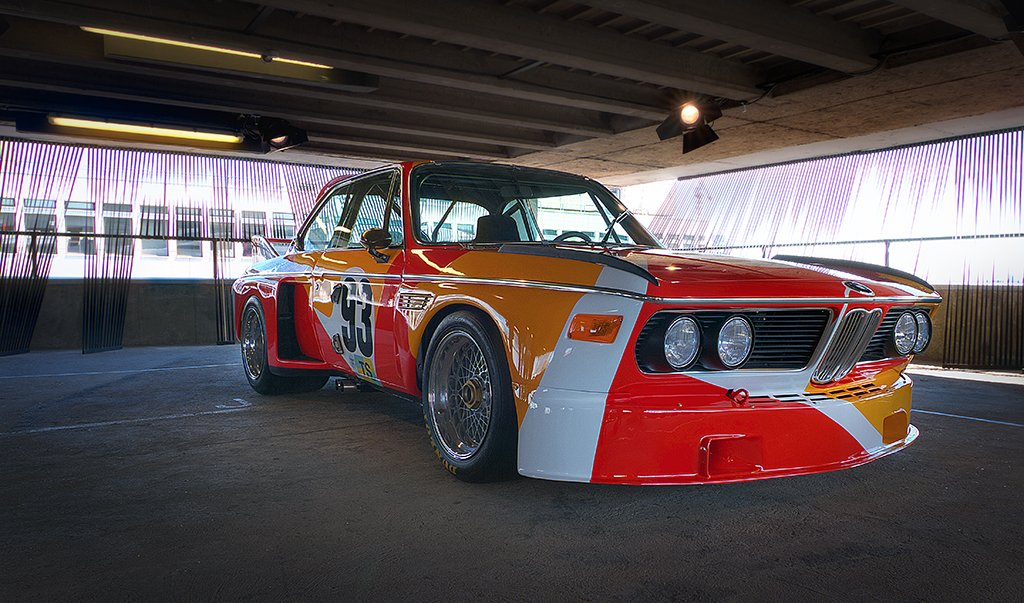
A free exhibition at BMW Welt brings together five decades of the automaker's Art Car program, from Alexander Calder's 1975 Le Mans racer to Julie Mehretu's 2024 hypercar.
RADwood Brings Its '80s and '90s Car Show Back to Tacoma, This Time Free to Spectators
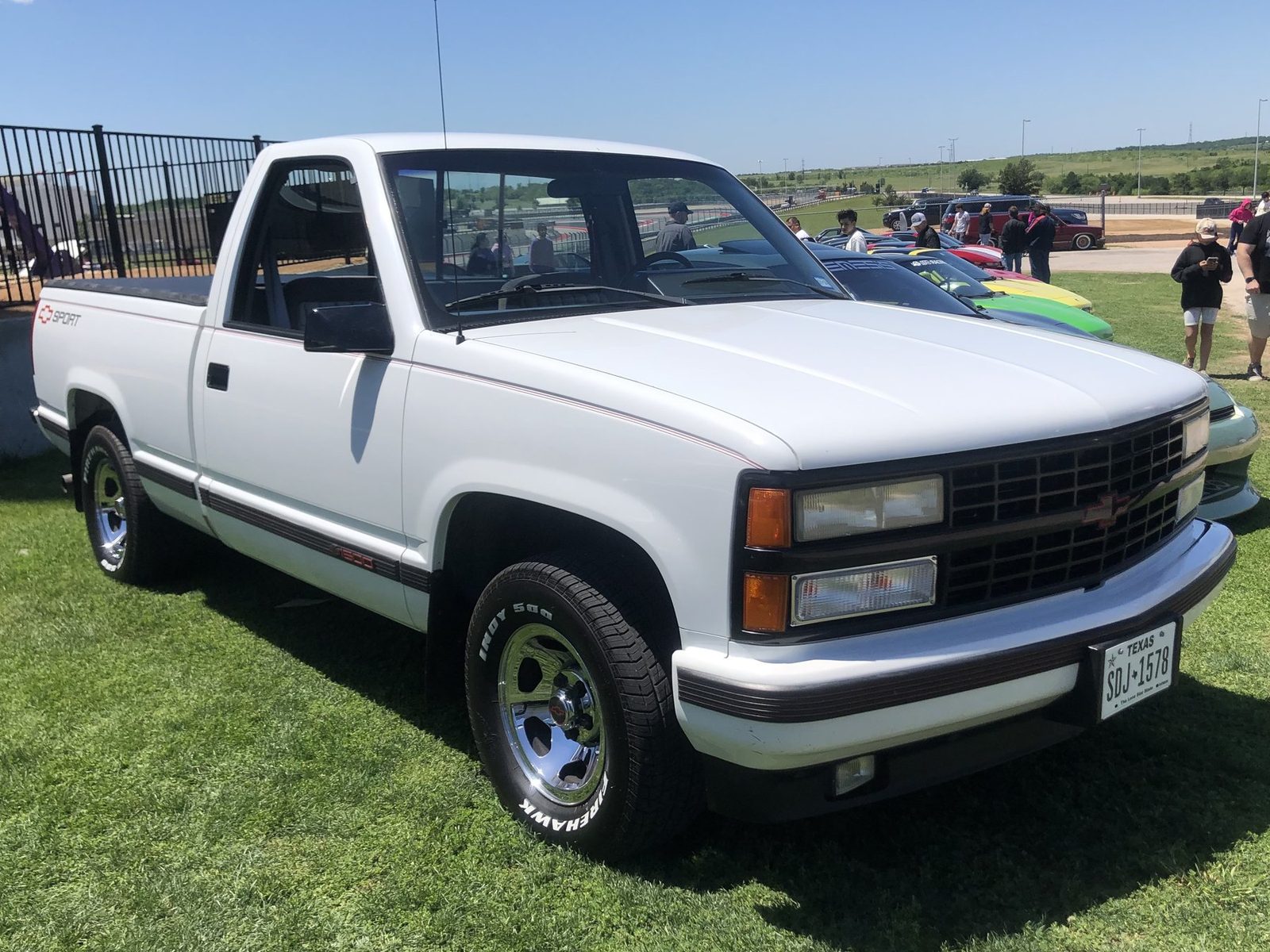
The traveling nostalgia show that turned Fox-body Mustangs and Radwood-era Japanese coupes into concours material returned to Griot's Garage in Tacoma on July 18, with Hagerty video host Jason Cammisa as the marquee guest.
Lamborghini Will Gather Over 40 Miuras on Pebble Beach's 3rd Fairway for the Car's 60th Birthday
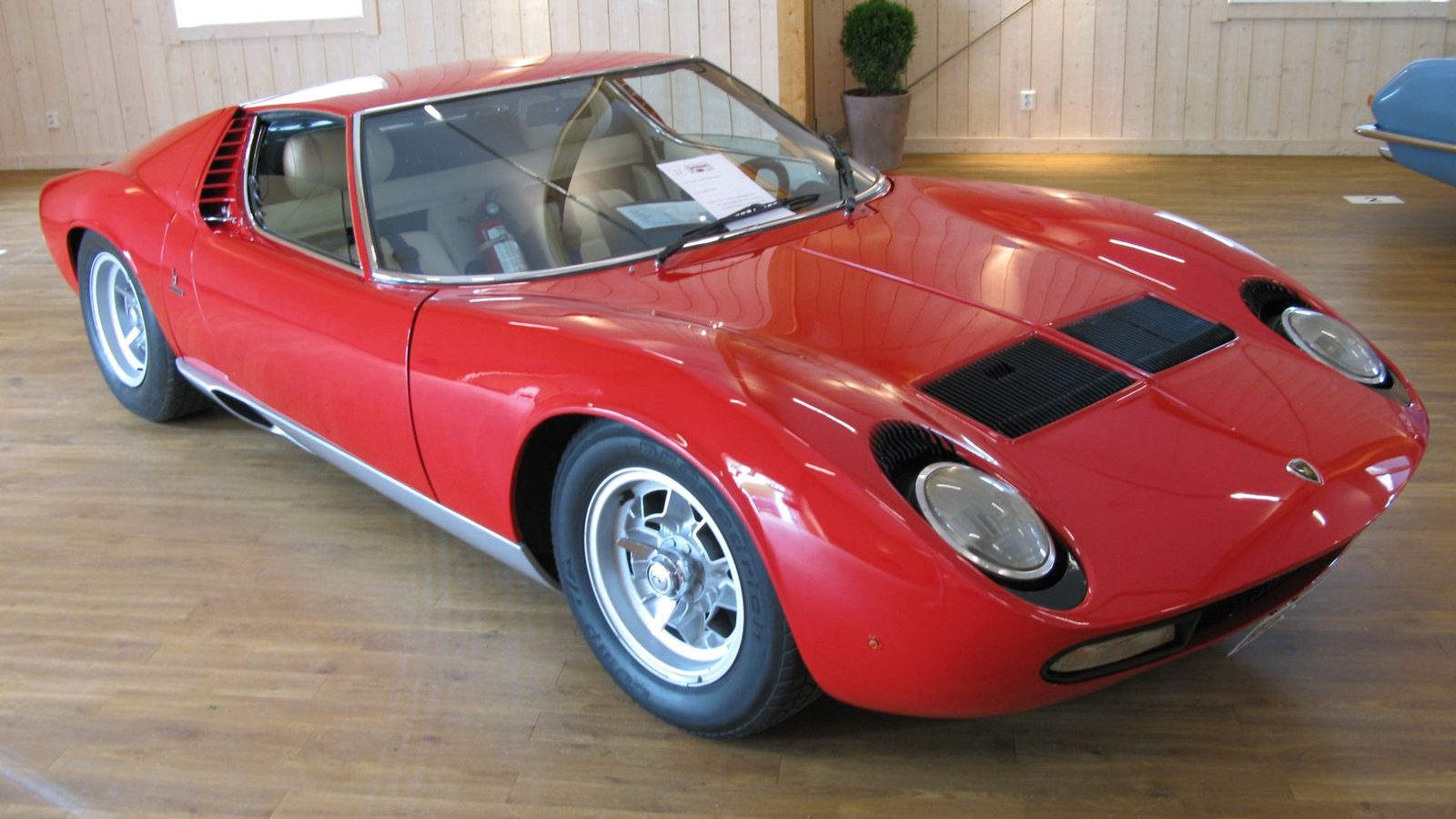
For the first time in the Concours d'Elegance's history, a fairway at Pebble Beach Golf Links will be opened to a single-marque tribute, as Lamborghini assembles what it calls the largest gathering of Miuras ever staged.