
The Class of 2002: Japan's Last Great Send-Offs Start Clearing US Customs Next Year
The 25-year rule rolls into 2002 in January, and 2002 is the year Nissan, Mazda and Honda all signed off their icons at once — the GT-R Nür, the RX-7 Spirit R and the NSX-R.
The mechanics of the 25-year rule are duller than the cars it releases, so get them out of the way first. NHTSA's own guidance is that a motor vehicle at least 25 years old can be lawfully imported into the US without regard to whether it complies with the Federal Motor Vehicle Safety Standards, and that the 25-year period runs from the date of the vehicle's manufacture. Not the model year — the build date. The car enters under Box 1 on the HS-7 declaration handed to Customs at the time of import, and if there is no manufacturer's date label on the vehicle, NHTSA expects paperwork proving the age: an invoice showing the first sale, or a registration document from 25-plus years ago.
The rule counts months, not model years. A car built in February 2002 clears in February 2027; a November 2002 build waits until November.
That last detail is the one people get wrong every January. The threshold does not drop on a whole model year at once. It moves month by month. A car built in February 2002 becomes eligible in February 2027. A car built in November 2002 waits until November 2027. Buyers who wire money in January for a car that was built in the autumn are buying something they cannot land yet.
With that said: 2002 is an unusually loaded year, because three Japanese manufacturers happened to close out three defining cars within months of each other.
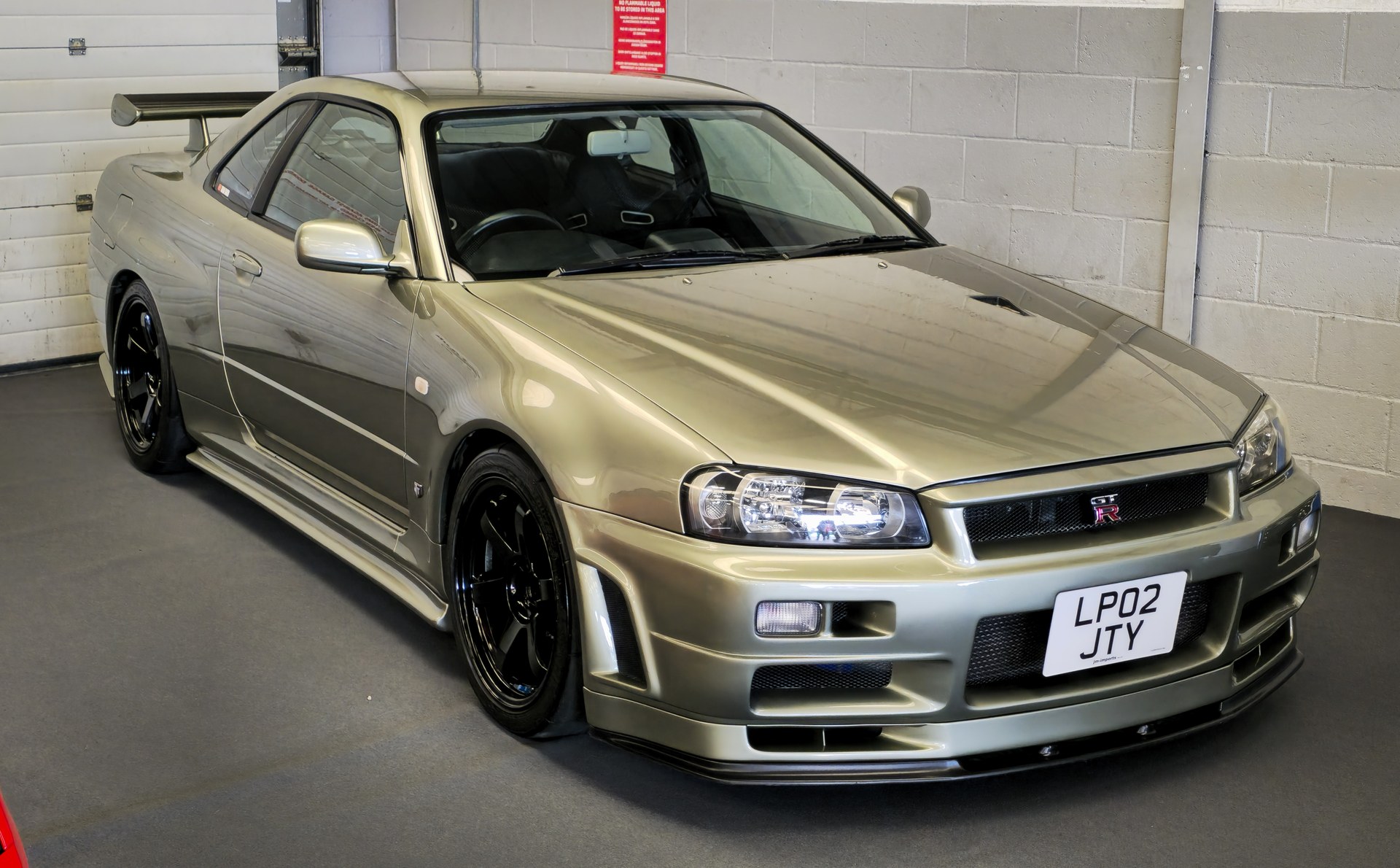
Start with the Skyline. In February 2002, Nissan launched the final production version of the R34 GT-R — the V-Spec II Nür and the M-Spec Nür, named for the Nordschleife and fitted with an improved RB26DETT based on the N1 racing engine, with steel turbine blades in place of the ceramic ones. Roughly a thousand Nür cars were built across the two variants. They are the cars wearing Millennium Jade, and they are not, despite what a lot of listings implied this year, part of the 2001 batch that cleared in 2026. The Nür is a 2002 car and it clears in 2027.
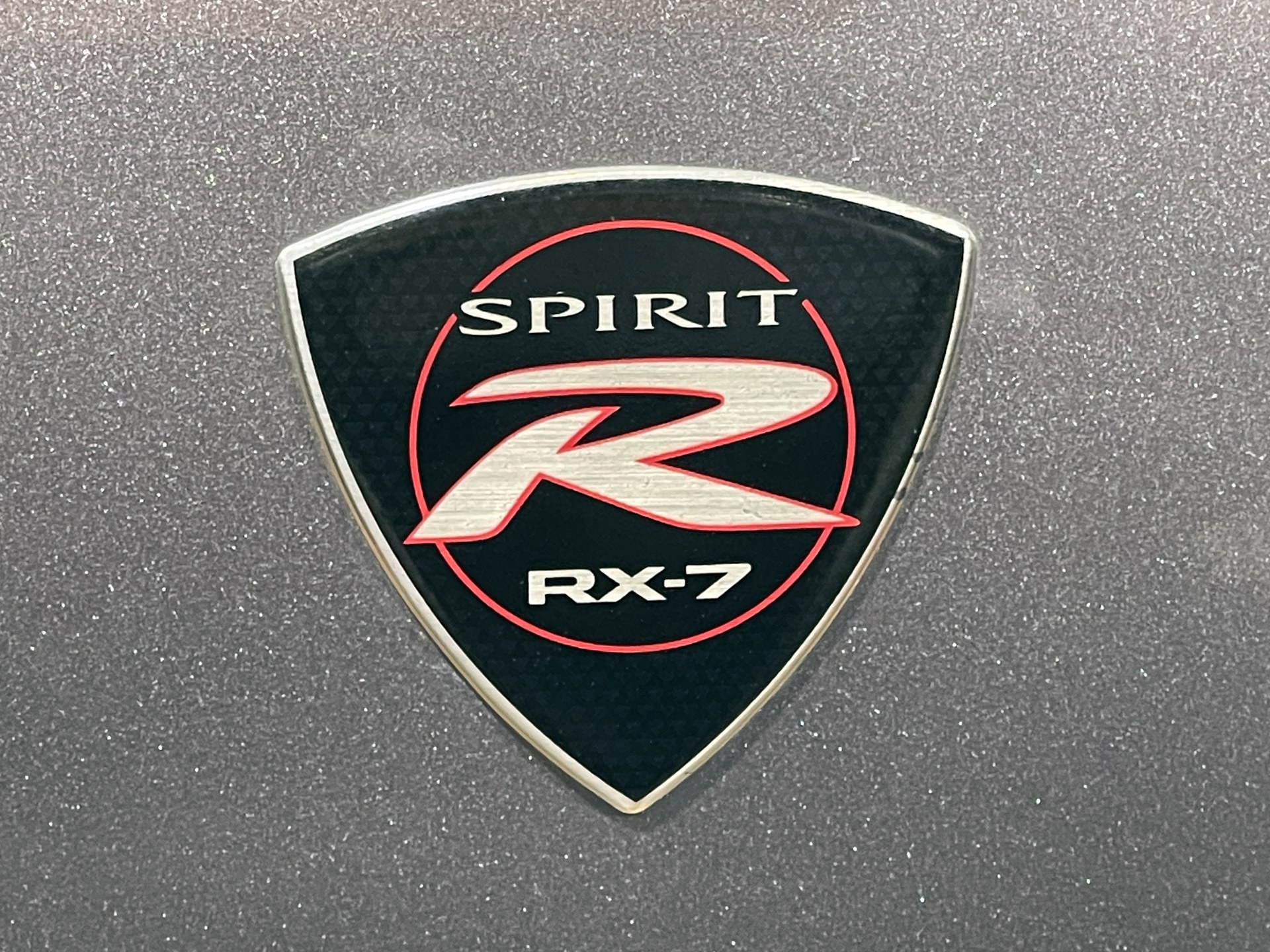
Then the RX-7. Mazda finished the FD in August 2002, and the send-off was the Spirit R: 1,504 cars in total, split 1,044 Type A, 420 Type B and 40 Type C — the Type A a two-seater with a manual, the Type B a 2+2 with a manual, the Type C a 2+2 with the automatic. The twin-turbo 13B was rated at 280 PS at 6,500 rpm with 314 Nm at 5,000 rpm, which is to say it was rated at exactly the number every Japanese performance car was rated at in that era, and nobody believed it then either.
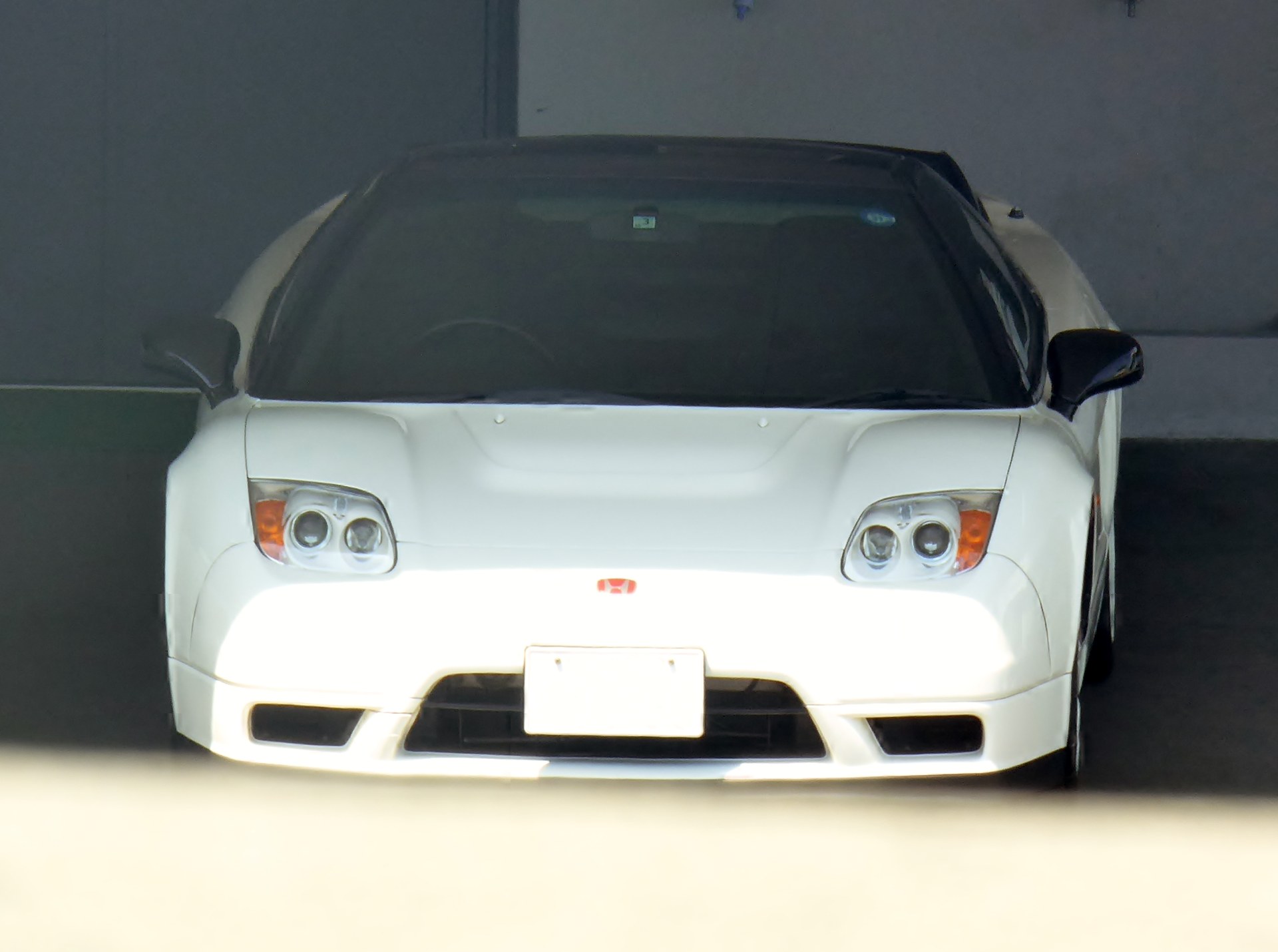
And the NSX. Honda unveiled a second-generation NSX-R in 2002, again sold only in Japan, on the facelifted NA2 car with the fixed headlights. Honda did not chase power — it maintains the 3.2-litre V6 was rated at 290 hp, the same as before — and went after mass instead, bringing the car down to 1,270 kg. It is the purest version of the argument Honda had been making since 1990, and the one that has spent two decades being quoted at silly money in Japan.
Underneath the headliners, 2027 quietly unlocks a lot of ordinary-but-wanted metal too: late-production R34s that are not Nürs, Evo VIIs, DC5 Integra Type Rs, EP3 Civic Type Rs, S15 Silvias, and the last of the A80 Supras built for the Japanese market before production ended that year.
Two practical notes before anyone starts bidding. First, eligibility under the 25-year rule is a federal safety-compliance question, and it is not the only hurdle between a Japanese auction sheet and a licence plate — EPA paperwork and your own state's titling and emissions rules are separate conversations, and some states are considerably less relaxed about grey-market imports than others. Second, the month-by-month thing cuts both ways: it means the cars trickle in across the whole year rather than arriving in one January wave, which historically has been kinder to prices than the hype cycle suggests.
The 2001 batch was a big year. 2002 is the bigger one, because it is the year three manufacturers all said goodbye at once.
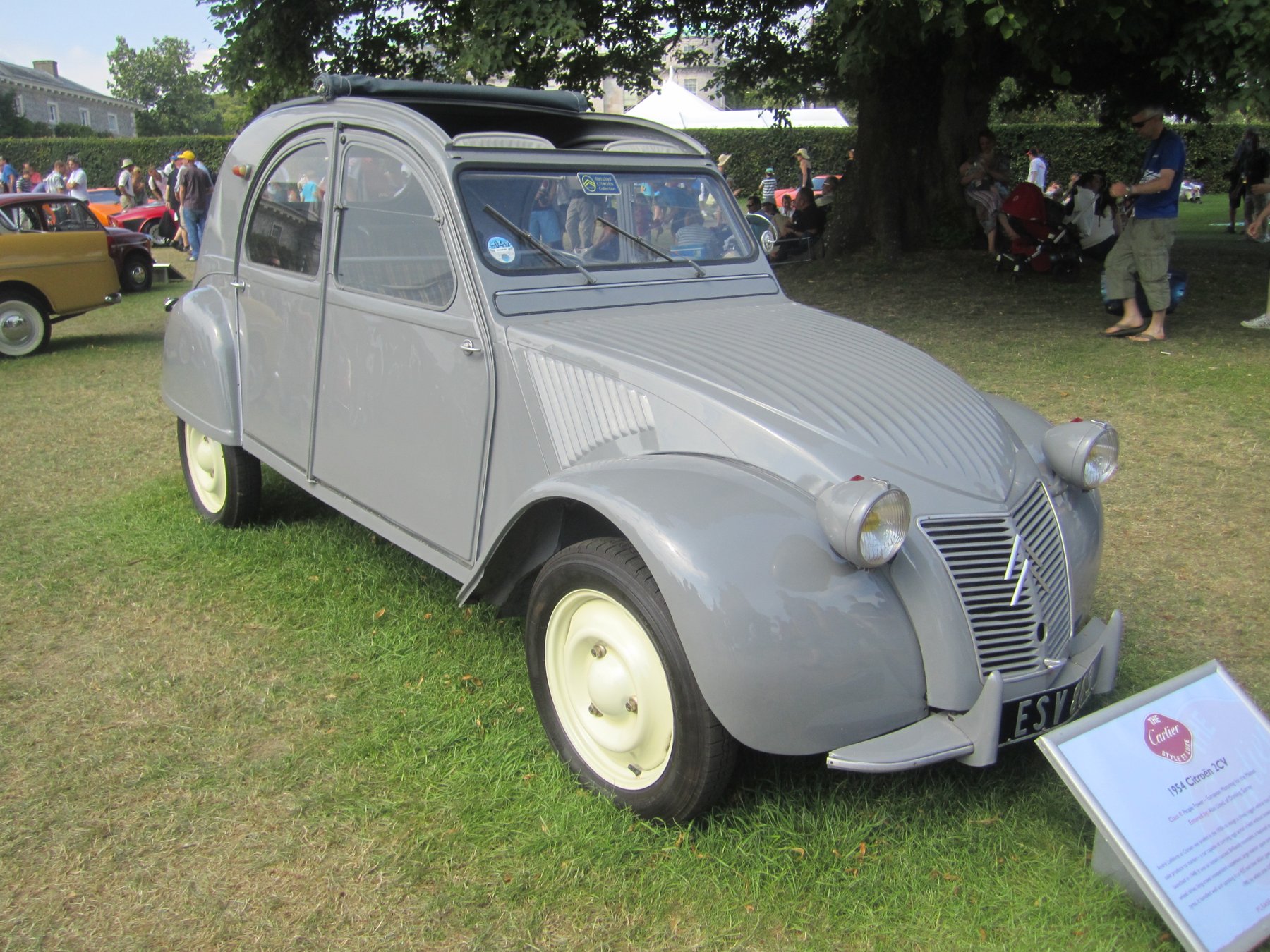
The 2CV Was a Shortage Made Into a Car. An EV Can't Inherit That
Citroën is teasing an electric 2CV concept for Paris. The original was the product of a design brief about potatoes, clogs and unpaved roads — and of a France that had almost no steel, no fuel and no money.
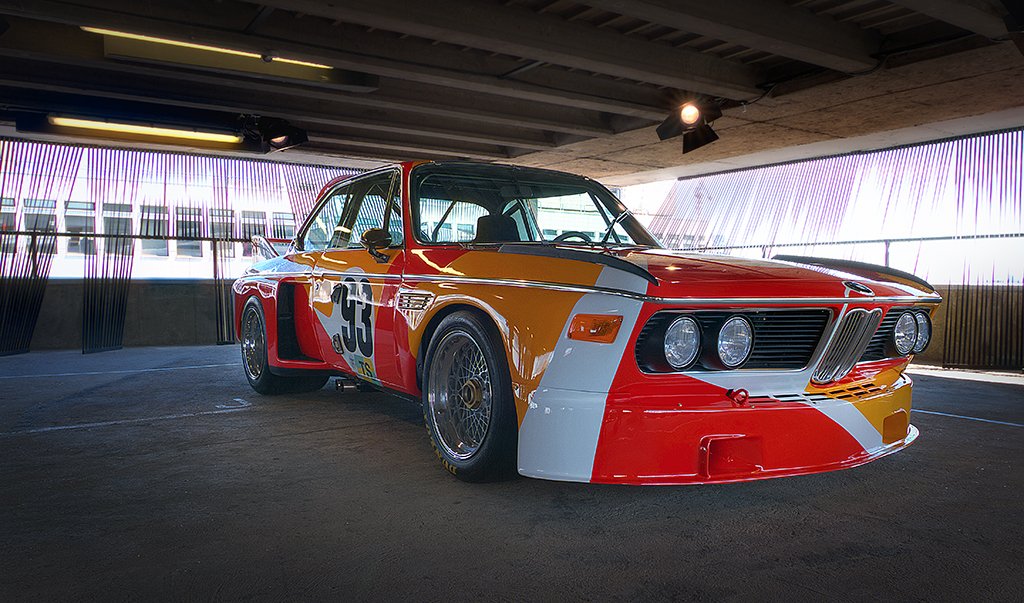
For the First Time, All 20 BMW Art Cars Are Under One Roof in Munich
A free exhibition at BMW Welt brings together five decades of the automaker's Art Car program, from Alexander Calder's 1975 Le Mans racer to Julie Mehretu's 2024 hypercar.
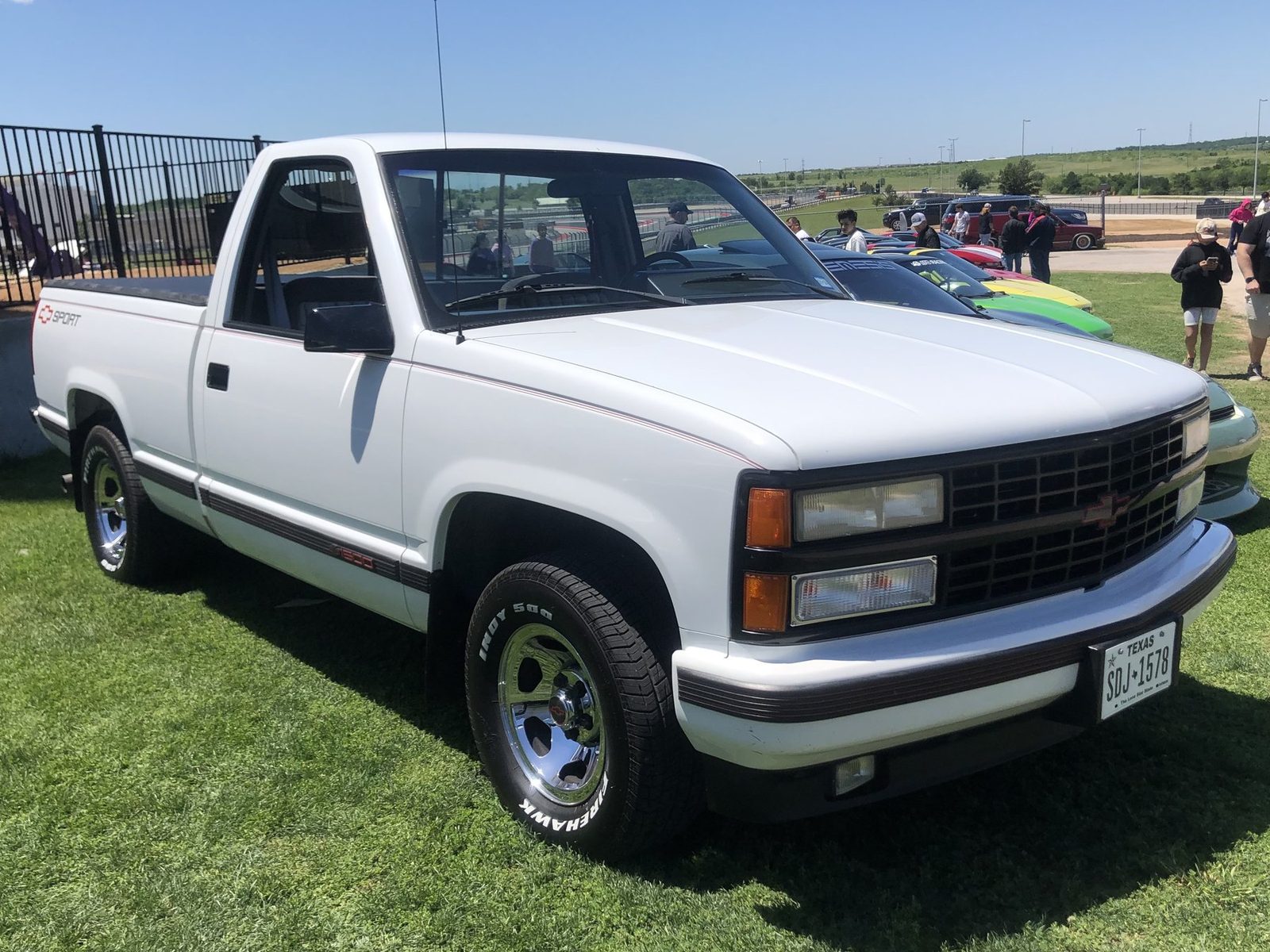
RADwood Brings Its '80s and '90s Car Show Back to Tacoma, This Time Free to Spectators
The traveling nostalgia show that turned Fox-body Mustangs and Radwood-era Japanese coupes into concours material returned to Griot's Garage in Tacoma on July 18, with Hagerty video host Jason Cammisa as the marquee guest.