
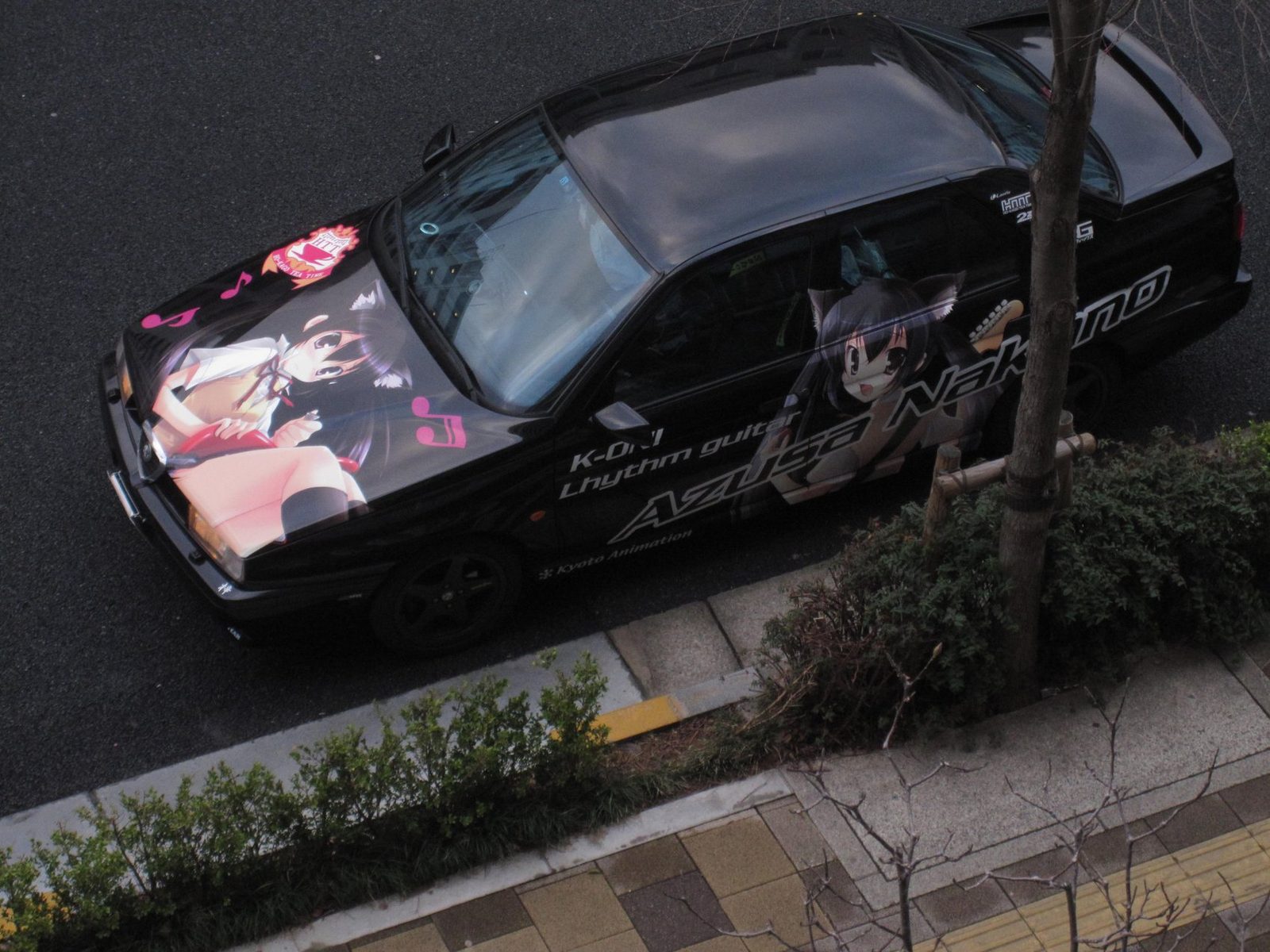
'Itasha' Means 'Painful Car' — the Owners Wear the Name as a Badge of Honor
Wrapping a car in full-body anime character art is a distinctly Japanese phenomenon with its own conventions, its own etiquette, and a name its own builders coined as a joke at their own expense.
"Itasha" translates literally to "painful car" — a name its own community gave itself, not a term of mockery imposed from outside. It describes a car wrapped or painted with large-scale artwork of anime, manga, or video game characters, usually covering the hood, doors, and rear glass in a single continuous design rather than a sticker here and there. The self-deprecating name is part of the point: owners know exactly how loud and conspicuous these builds are, and the culture leans into that rather than away from it.
The subculture traces back to the 1980s, when Japanese fans began decorating cars with character plushies and stickers tied to bishōjo games and eroge, but it stayed a minor, scattered practice for two more decades. It only became a genuine phenomenon once anime culture itself went mainstream through the internet in the 2000s. The earliest documented itasha at a public convention dates to Comiket 68 in August 2005, and by 2007 the scene was organized enough to support its own dedicated event — Autosalone, an itasha-specific car show held in Ariake, near Comiket's own venue.
From there it scaled up fast. By 2018, roughly 1,000 unique itasha from across Japan gathered at Odaiba Itasha Tengoku, billed as the largest itasha exhibition ever held — a single-day snapshot of just how far the practice had spread from a handful of plushie-decorated cars in the 1980s. The builds themselves range enormously in cost and ambition, from a Volkswagen Passat wrapped in Hatsune Miku artwork to a Lamborghini Huracán carrying a full Azur Lane livery, proof that itasha was never confined to cheap economy cars — the character art is the constant, the platform underneath it is whatever the owner can afford or wants to make a statement with.
The culture has its own unwritten etiquette, most of it centered on respecting the source material and the artist who produced the vinyl work, since a full-body itasha wrap is a genuine commission, not a print-shop afterthought. It's also spread well beyond Japan's borders in the years since Odaiba — itasha-themed meets now turn up in Germany, Switzerland, the US, China, and Taiwan — but the core of the scene, and the reason it exists at all, is still rooted in Japan's local otaku car meets, where showing up in a wrap of a character nobody outside the fandom recognizes is exactly the point.
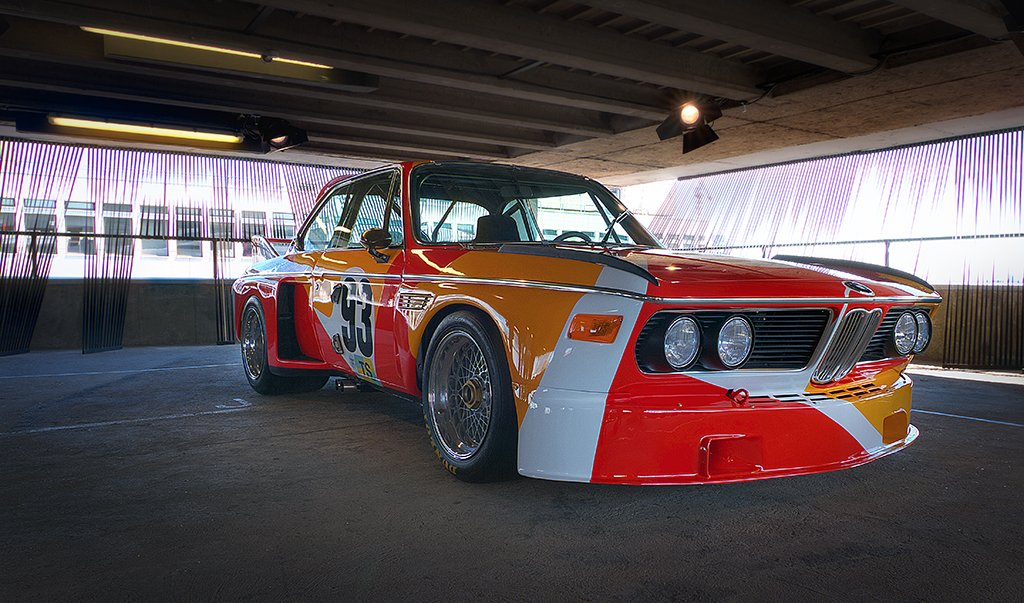
For the First Time, All 20 BMW Art Cars Are Under One Roof in Munich
A free exhibition at BMW Welt brings together five decades of the automaker's Art Car program, from Alexander Calder's 1975 Le Mans racer to Julie Mehretu's 2024 hypercar.
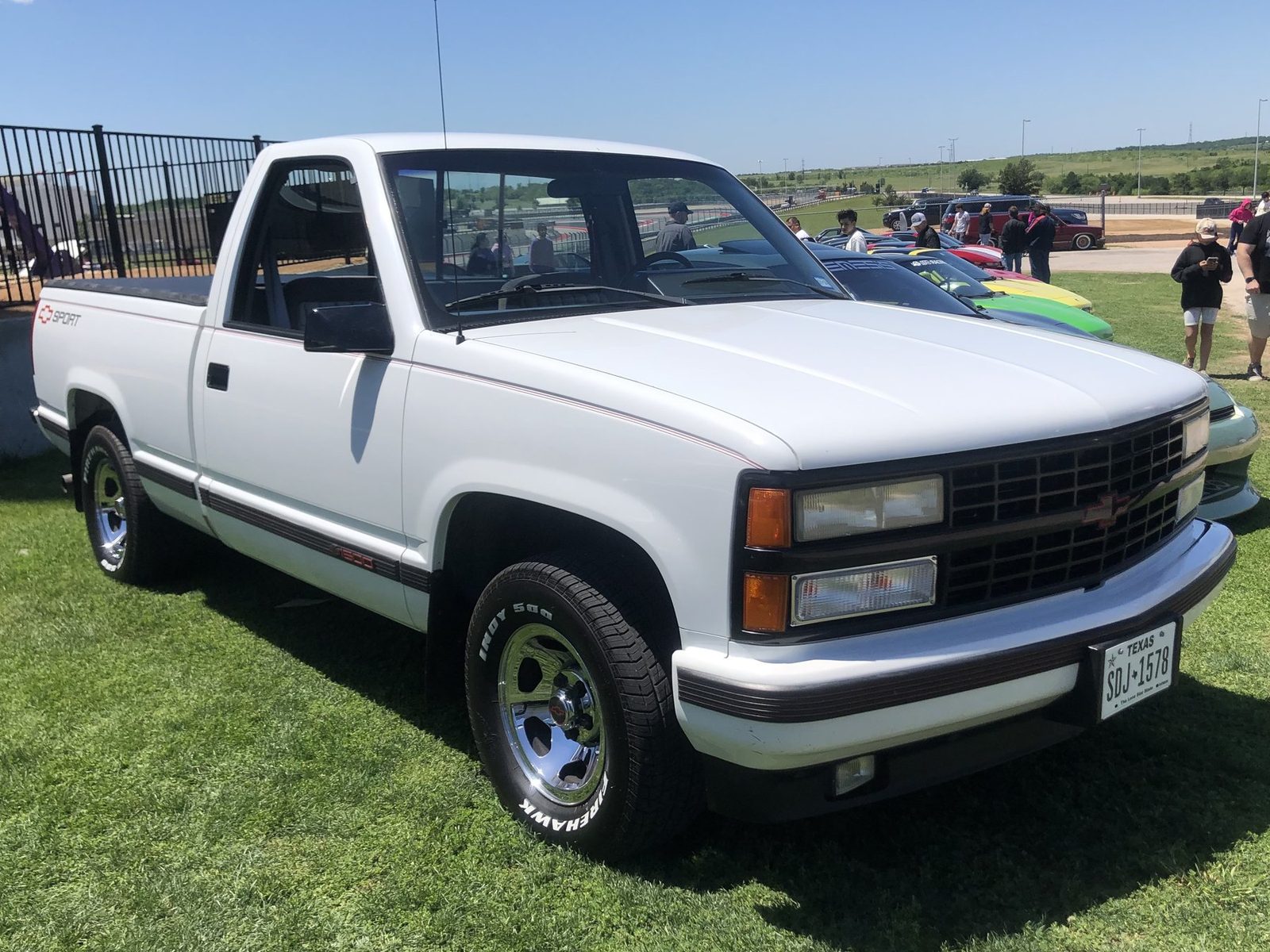
RADwood Brings Its '80s and '90s Car Show Back to Tacoma, This Time Free to Spectators
The traveling nostalgia show that turned Fox-body Mustangs and Radwood-era Japanese coupes into concours material returned to Griot's Garage in Tacoma on July 18, with Hagerty video host Jason Cammisa as the marquee guest.
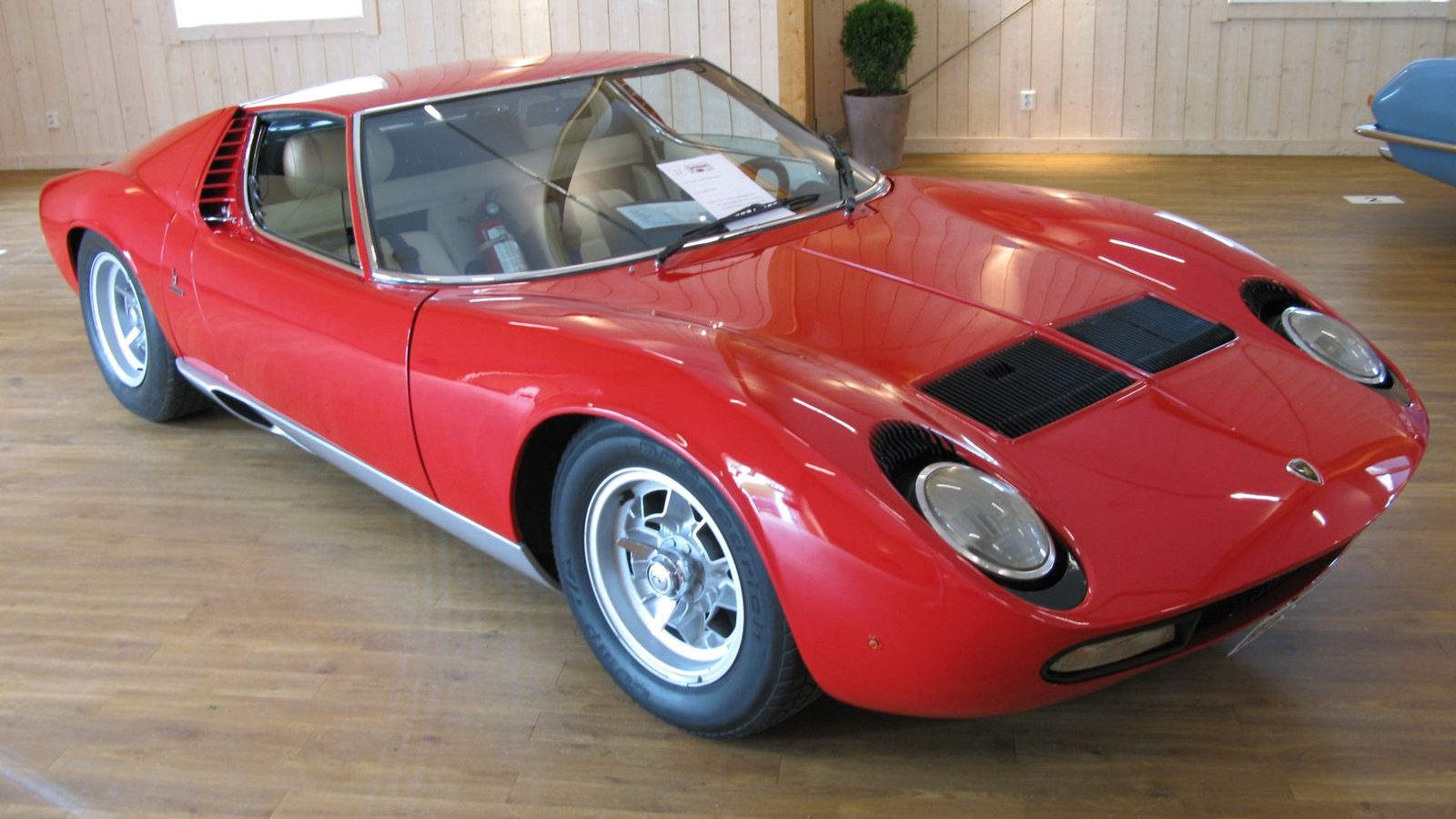
Lamborghini Will Gather Over 40 Miuras on Pebble Beach's 3rd Fairway for the Car's 60th Birthday
For the first time in the Concours d'Elegance's history, a fairway at Pebble Beach Golf Links will be opened to a single-marque tribute, as Lamborghini assembles what it calls the largest gathering of Miuras ever staged.