
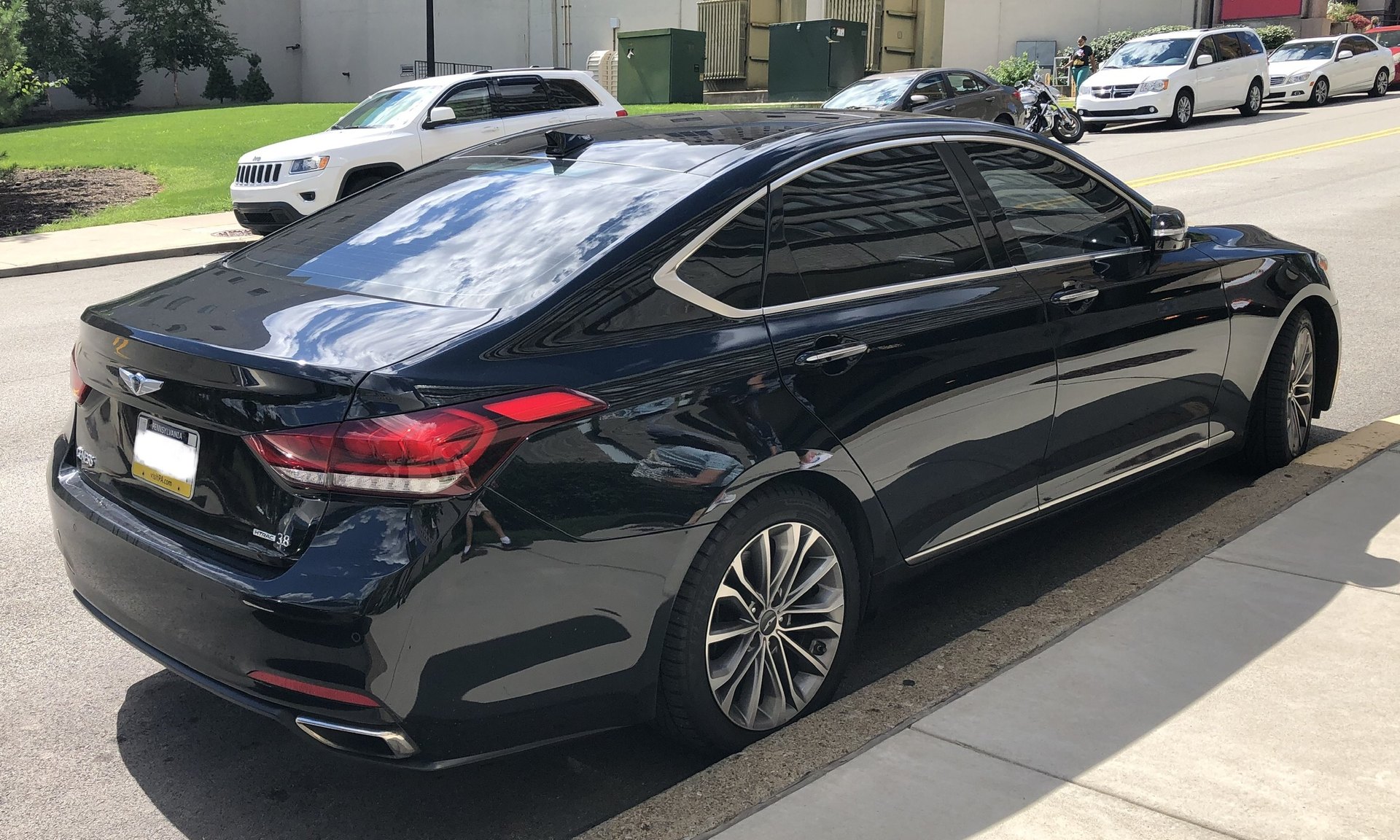
Hyundai Recalls 94,622 Genesis Sedans Over a Seat Switch That Can Get Stuck On
A knock to the power seat switch can leave the adjustment motor running after everyone has got out of the car. Hyundai first heard about it on the last day of 2021. The recall was filed on 8 October 2026, and the fix has not been designed yet.
- NHTSA campaign
- 26V664000
- Manufacturer campaign
- 308 (Hyundai) / 035G (Genesis)
- Submitted to NHTSA
- 8 October 2026
- Vehicles
- 2015-2016 Hyundai Genesis (54,644) + 2017-2020 Genesis G80 (39,978)
- Total potentially involved
- 94,622
- Estimated percentage with the defect
- 1%
- Build dates
- 21 Feb 2014 - 24 Feb 2016 (Genesis); 17 Mar 2016 - 7 Nov 2019 (G80)
- Component
- Switch Assy Power Seat, driver 88990-B1030 / passenger 88991-B1000
- Supplier
- Nidec Mobility Korea Corporation
- Alleged US fires
- 2
- Crashes or injuries
- None reported
- Do Not Drive advisory
- No
- Park Outside advisory
- Yes
- VIN lookup live
- 13 October 2026
- Dealer and owner notification
- 6 December 2026 (phased)
- Remedy
- Under development, free of charge
- Hyundai customer line
- 1-855-371-9460
- Genesis customer line
- 1-844-340-9741
Hyundai Motor America has filed a safety recall covering 94,622 Genesis sedans in the United States because the power seat switch can jam in the on position and leave the seat motor running until it overheats. The Part 573 report went to NHTSA on 8 October and carries campaign number 26V664. There is no remedy yet. Until there is one, the filing tells owners to park outdoors, away from other vehicles and away from structures.
A switch knocked out of alignment, a motor that keeps running under an empty seat, and five years of watching to see whether it mattered.
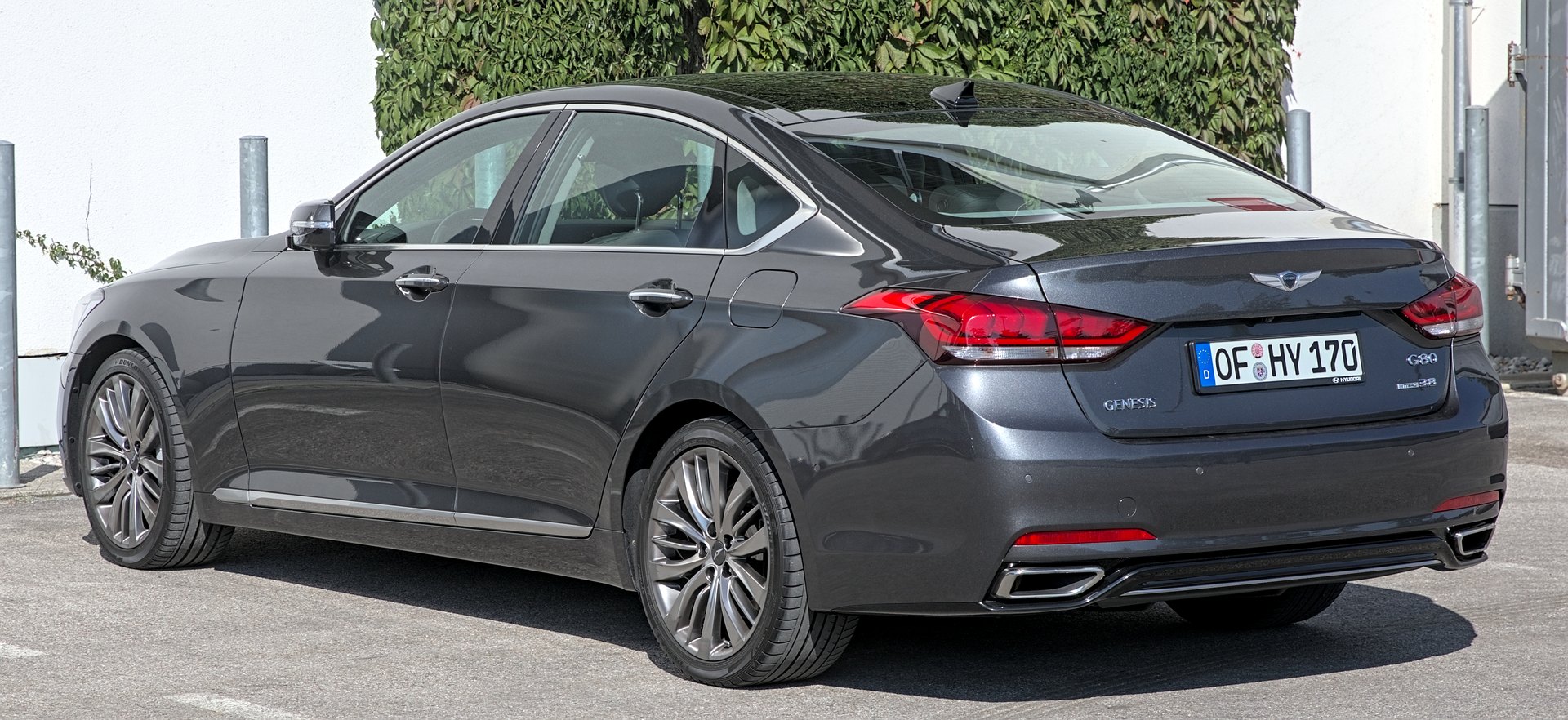
The campaign splits across two badges and one platform. It covers 54,644 examples of the 2015-2016 Hyundai Genesis, built between 21 February 2014 and 24 February 2016, and 39,978 examples of the 2017-2020 Genesis G80, built between 17 March 2016 and 7 November 2019 — the same DH-platform sedan, sold under Hyundai's own name until Genesis was spun off as a standalone brand. All were assembled in South Korea. Hyundai's estimate of how many actually carry the defect is one per cent.
The mechanism is almost aggressively mundane. On cars with non-memory front power seats, the slider and height adjustment control switch can be dislodged or damaged by an external force. Hyundai's description of the cause is that an impact of sufficient force can displace or misalign the components inside the switch assembly. A switch in that state can stay engaged. The seat adjustment motor then keeps running — and, in the filing's words, continues to operate even after the occupant exits the vehicle. Run that motor long enough and it overheats, which is where the fire risk comes from, parked or moving.
The parts involved are the driver's-side switch, part number 88990-B1030, and the passenger-side switch, 88991-B1000, both supplied by Nidec Mobility Korea Corporation. Cars with memory seats are not included. The two warning signs Hyundai lists are the ones you would expect from a motor cooking under a cushion: a burning odour from the seat, and seat switches that stop working.
What makes this one worth reading in full is the chronology, which runs for just under five years. Hyundai first became aware of the condition on 31 December 2021, through an internal Speak Up For Safety report about a 2018 Genesis G80 in the US market; it could not recover the parts from that car. A second possible case arrived on 25 August 2022, and that time Hyundai did get the hardware back — though not until November and December 2023, when the seat assembly was recovered and analysed, and Hyundai Motor Company confirmed the switch damage had been caused by an external impact. Between January and April 2024, after reviewing the technical data and the field information it had, Hyundai decided to keep monitoring rather than act. Through mid-2024 the incident rate stayed low. A review in late August and early September 2025 confirmed no additional fire incidents in the US market.
What broke the stalemate came from outside the country. On 2 July 2026, Hyundai received further information from the Korean market about power seat switch performance and associated thermal event allegations, which triggered a fresh technical review of how likely the same thing was in the US. On 1 October, the company's North American safety decision body met and decided to run the recall. As of that decision, Hyundai says it is aware of two alleged fire incidents in the US market, with no crashes and no injuries connected to the condition. The filing lists both VINs in partial form, dated 30 December 2021 and 25 August 2022 — the same two cars that started the file.
The remedy is still being developed, so there is nothing to book yet. When there is, owners will be notified by first class mail and the repair will be free at a Hyundai dealer or Genesis retailer regardless of whether the car is still under its new vehicle warranty — which, for a fleet this old, almost none of them will be. Owners who have already paid out of pocket for the condition can seek reimbursement under the plan Hyundai filed with NHTSA on 2 March 2026. Dealer and owner notifications are scheduled for 6 December 2026 on a phased basis, and VINs became searchable on NHTSA's site on 13 October.
Two things are worth flagging for anyone who owns one. First, the advisory attached to this campaign is Park Outside, not Do Not Drive: Hyundai is not telling people to stop driving these cars, it is telling them not to leave one parked next to a house or another vehicle while the fix is designed. Second, the notification mechanism is the weak point. These are six- to twelve-year-old sedans, many of them on their second or third owner, and a letter mailed in December reaches whoever Hyundai's records say owns the car. Running the VIN through NHTSA's lookup takes about fifteen seconds and does not care who the registered owner is.
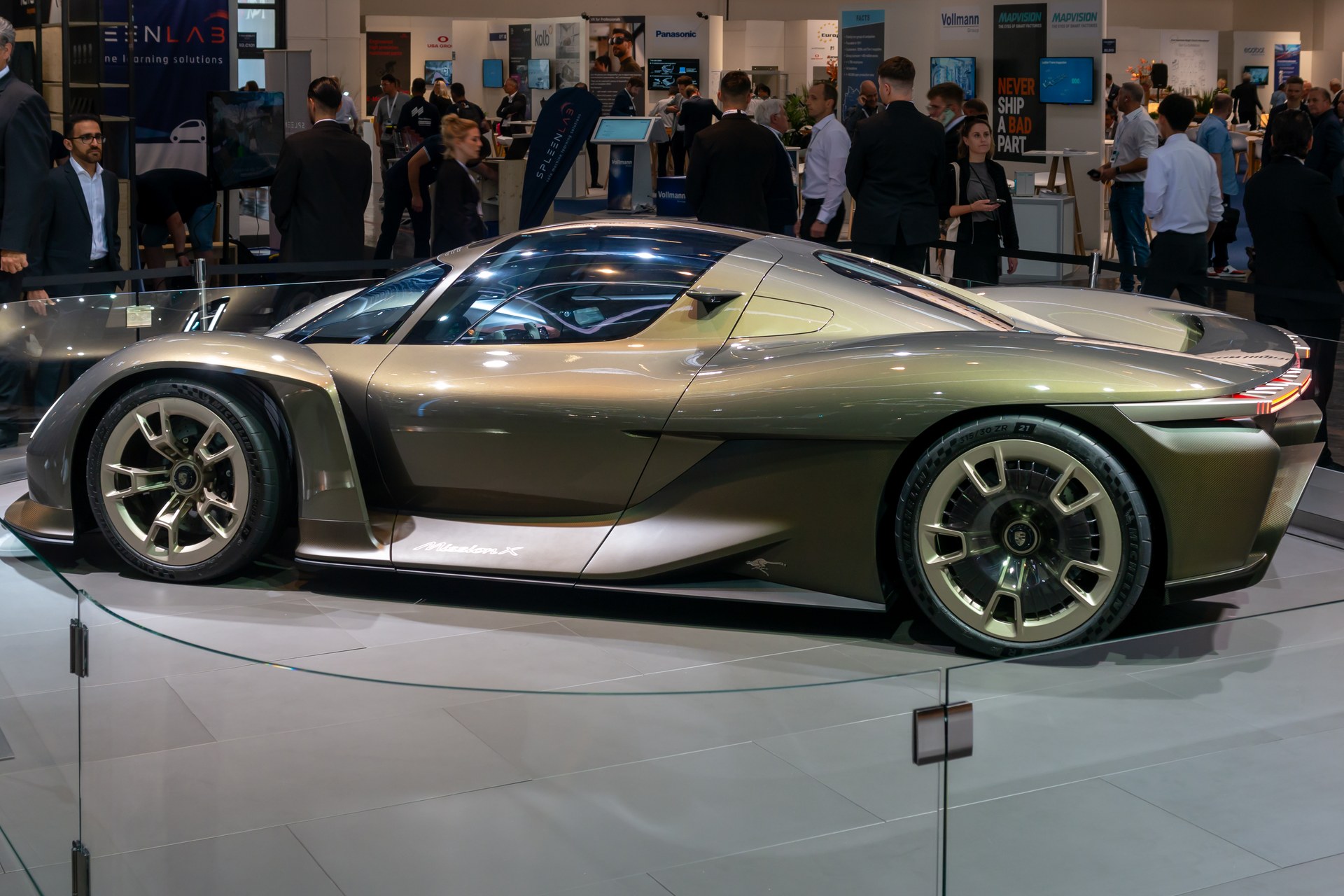
Three Years On, the Mission X Is Still a Concept — and Porsche Just Ruled Out a BEV Above the 911
The 2023 study promised four motors, 900 volts and a 1:1 power-to-weight ratio. In October, Porsche's chairman said there's no demand for a battery-electric car on the new supercar platform.
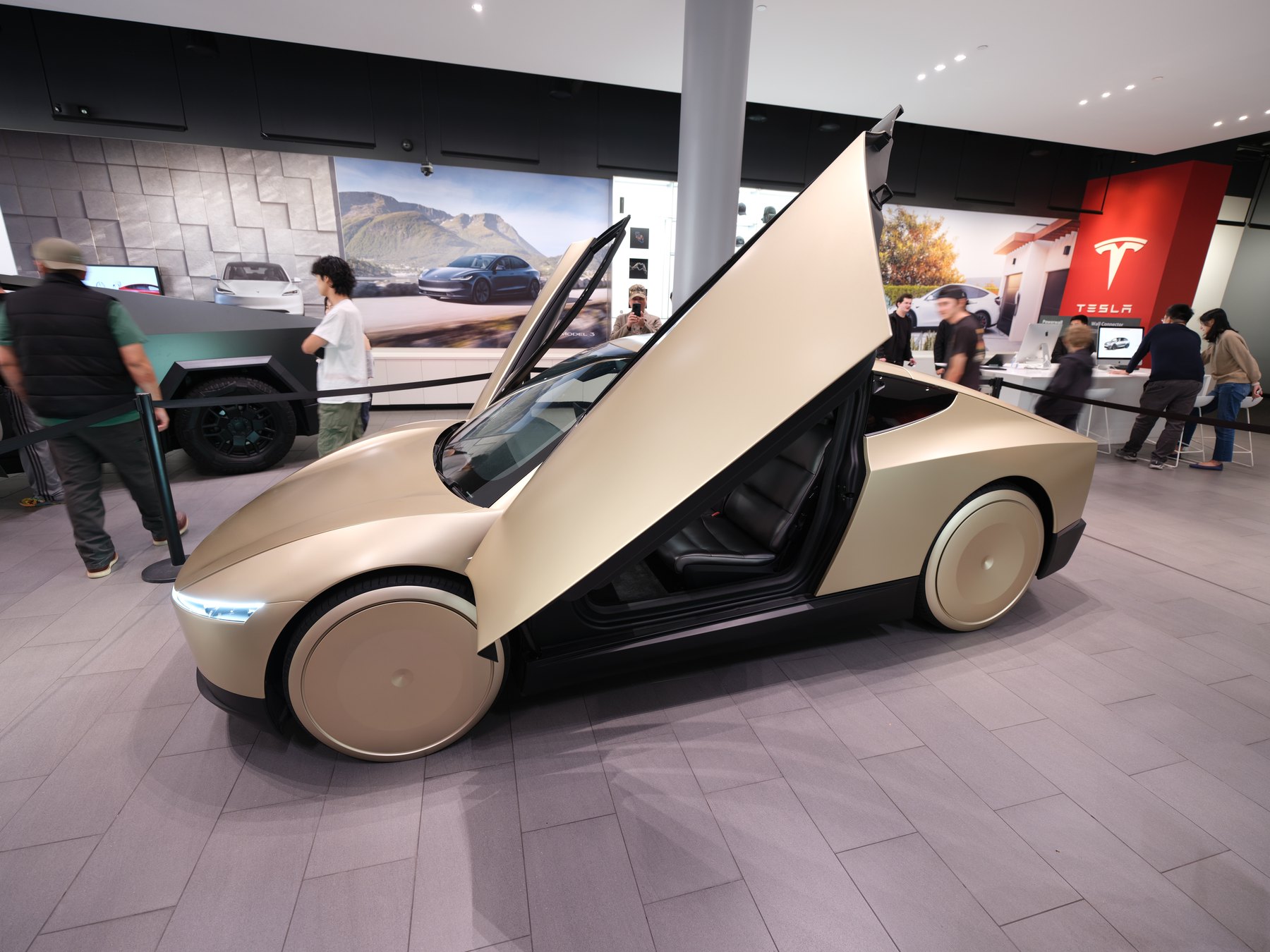
Three Videos and a Complaint: NHTSA Opens a School-Zone File on Tesla's Robotaxis
The federal evidence pile is four incidents, no crashes and no injuries. The question underneath it is bigger than that: whether an automated driving system reliably knows when a school zone is switched on.
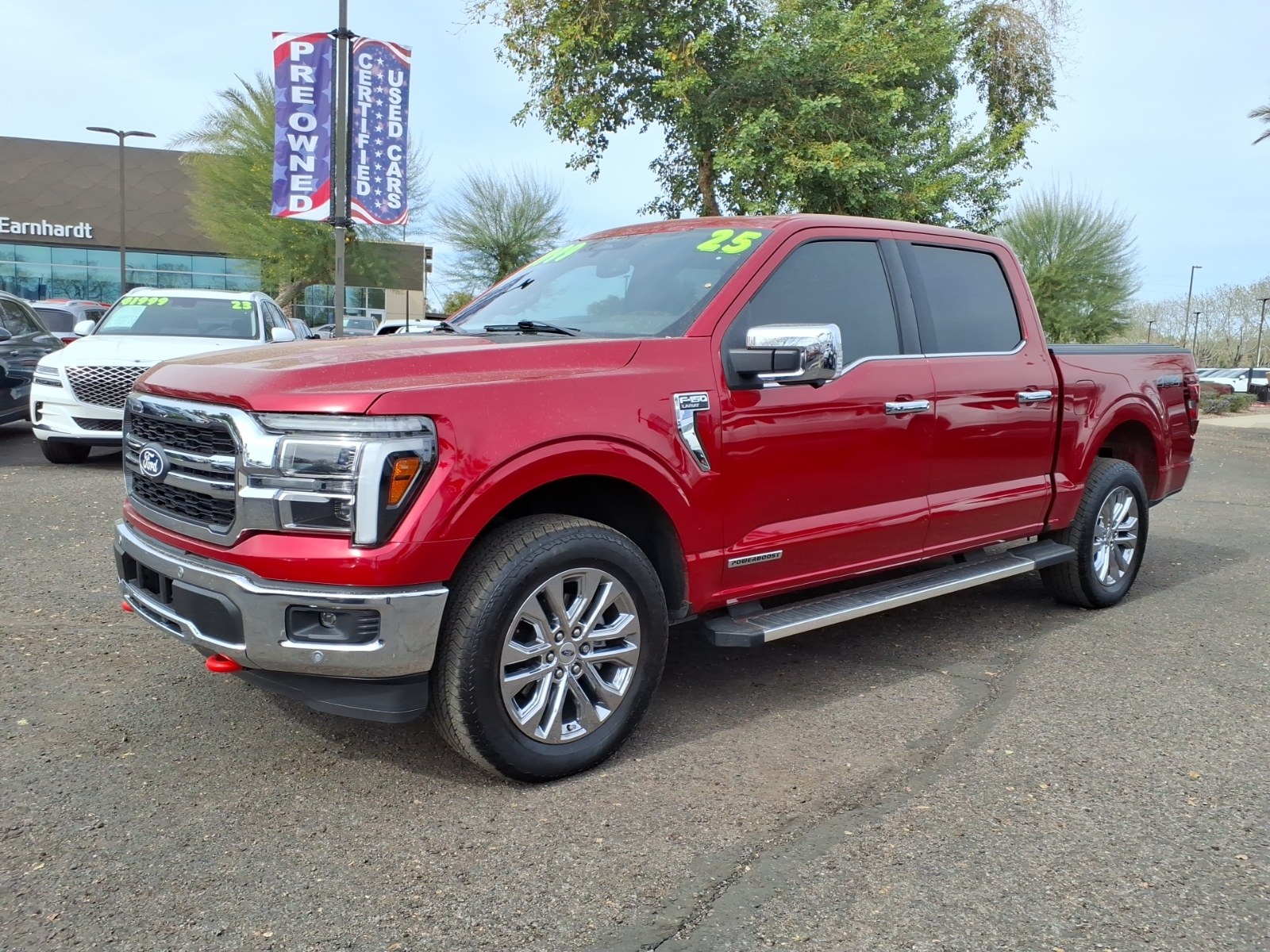
Ford Recalls 2,276 F-150s Because a Repair Was Logged as Finished and Wasn't
The defect is the bolts that hold the front seats to the floor. The chronology is the part worth reading: an operator ran out of cycle time, the line stopped exactly as the protocol says it should, and then somebody ticked the repair off in the tracking system before it had been made.