
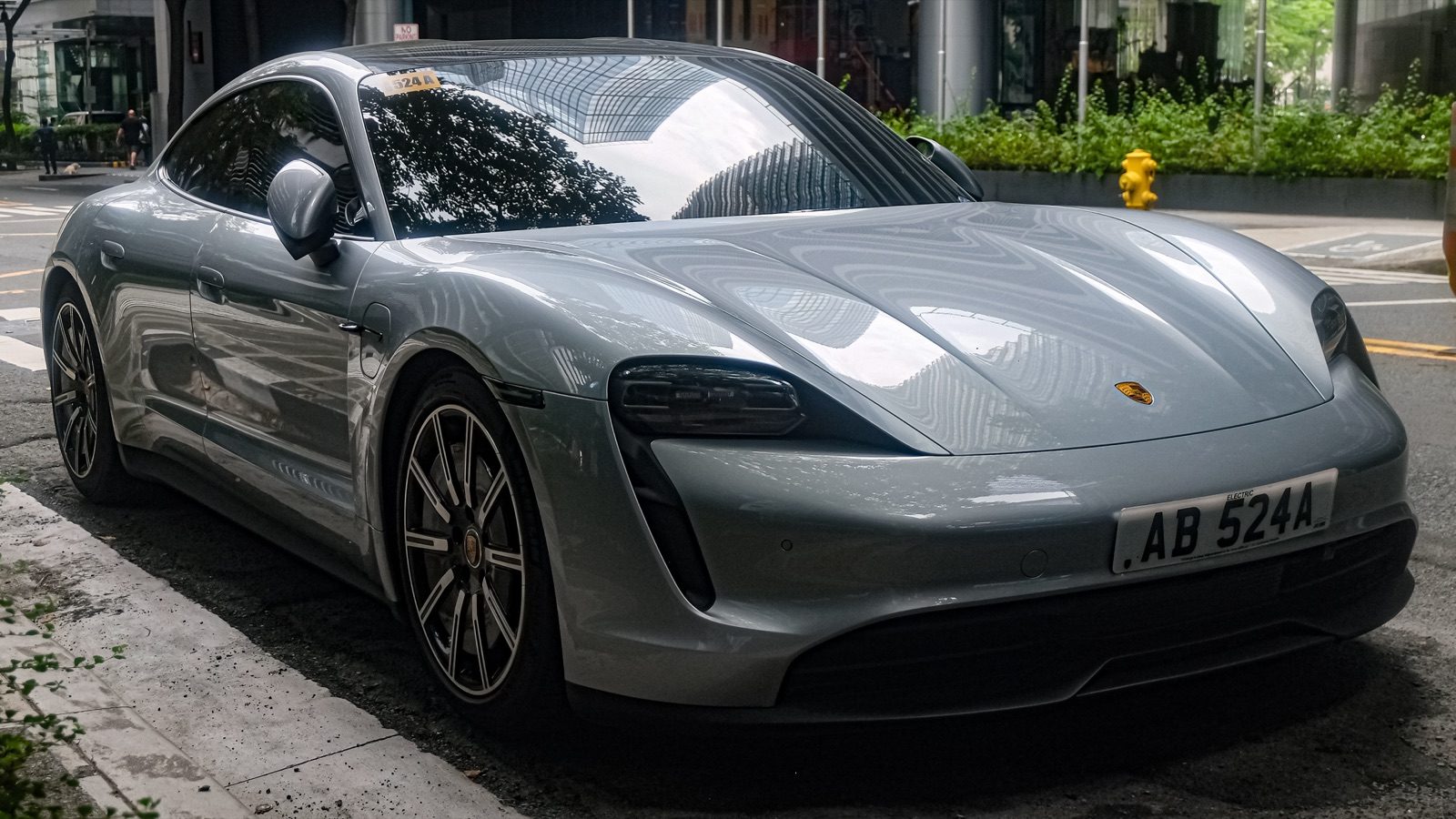
EV Widebody Kits Are Now the Fastest-Growing Corner of the Bodykit Market
Larte Design's kit for the Tesla Model S and Avante Design's kit for the Porsche Taycan are leading a segment nobody expected five years ago.
The global bodykit market crossed $3.8 billion in 2025 and is projected past $4.1 billion in 2026, driven in large part by a category that barely existed a few years ago: widebody kits built specifically for electric cars. Larte Design's Elizabeta kit for the Tesla Model S and Avante Design House's kit for the Porsche Taycan are cited as the segment's current leaders, part of what's described as the fastest-growing sub-segment in the entire bodykit market this year.
SUVs remain the biggest single category overall — accounting for 38% of all bodykit purchases, up from just 12% in 2018 — with the Mercedes G-Class W463A the single most popular platform globally, with more than 15 distinct kits available for it. But the EV growth curve is the more surprising story, since widebody culture built its entire aesthetic vocabulary around engines, exhaust notes, and combustion-era proportions.
The framing from builders in the space is that 2026 kits, EV or not, are increasingly designed for daily-driving practicality rather than pure show-car impact — real fitment, real durability, real long-term reliability, not just aggressive proportions for a photo. That a Tesla and a Taycan are now leading that same conversation says the widebody aesthetic has fully detached itself from what's under the hood — because there often isn't one anymore.
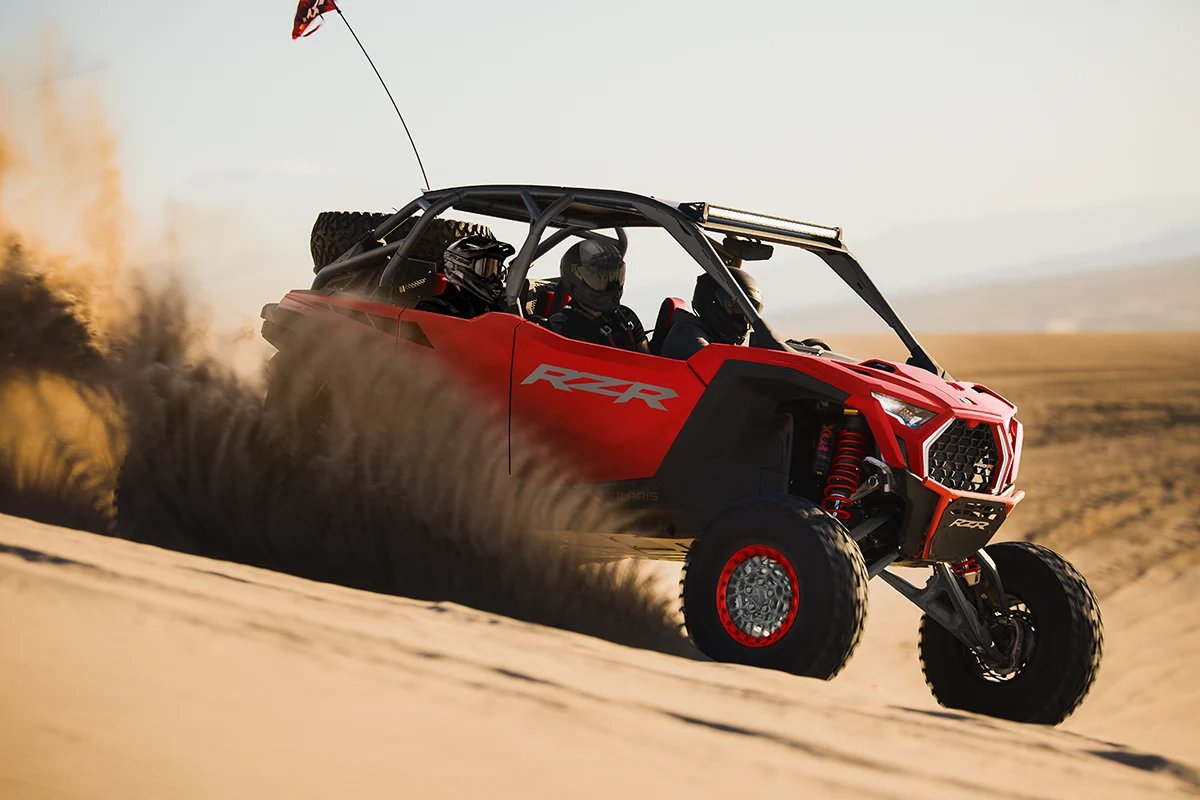
Rockford Fosgate Adds Three Factory-Fit Audio Kits for Polaris RZR and Sportsman
The Tempe, Arizona audio maker rolled out a rear-door speaker upgrade, a boosted subwoofer kit, and a new front-rack system built for Polaris off-road vehicles.
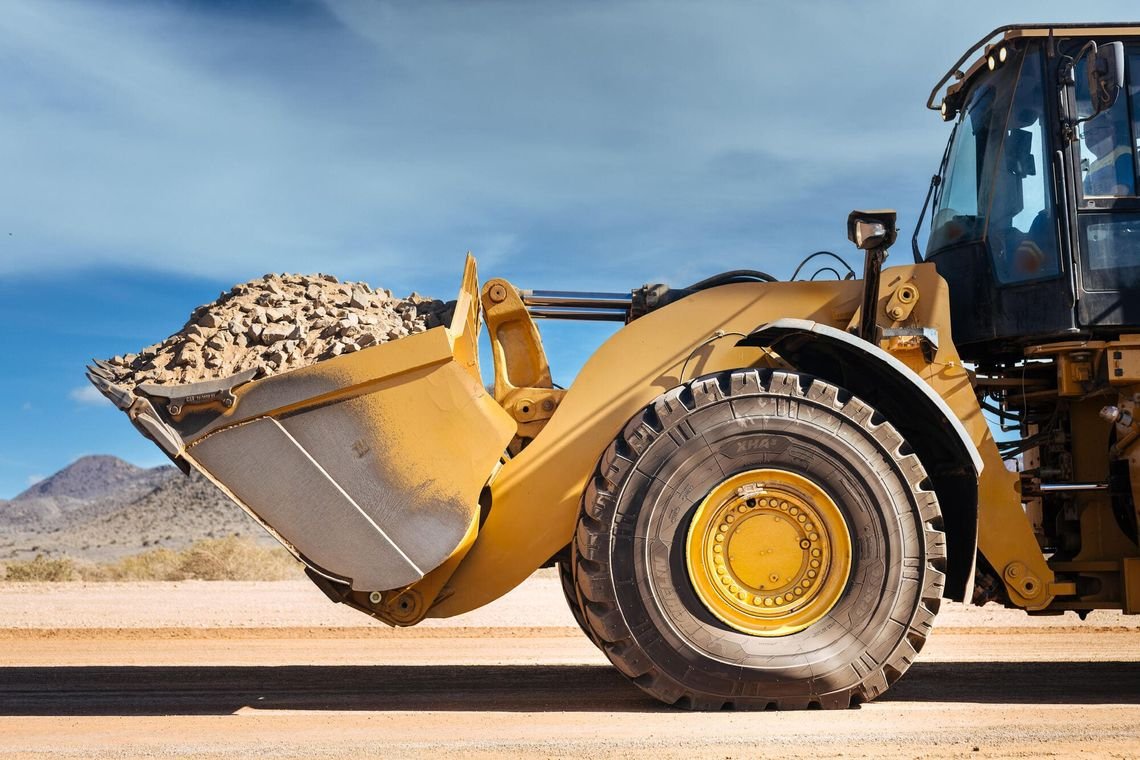
Michelin Launches XHA3 Radial Tire for Loaders, Dump Trucks and Graders
The new construction-equipment tire adds a sensor-free visual inflation indicator and claims up to 20% longer wear life than its predecessor, with U.S. availability beginning this year.
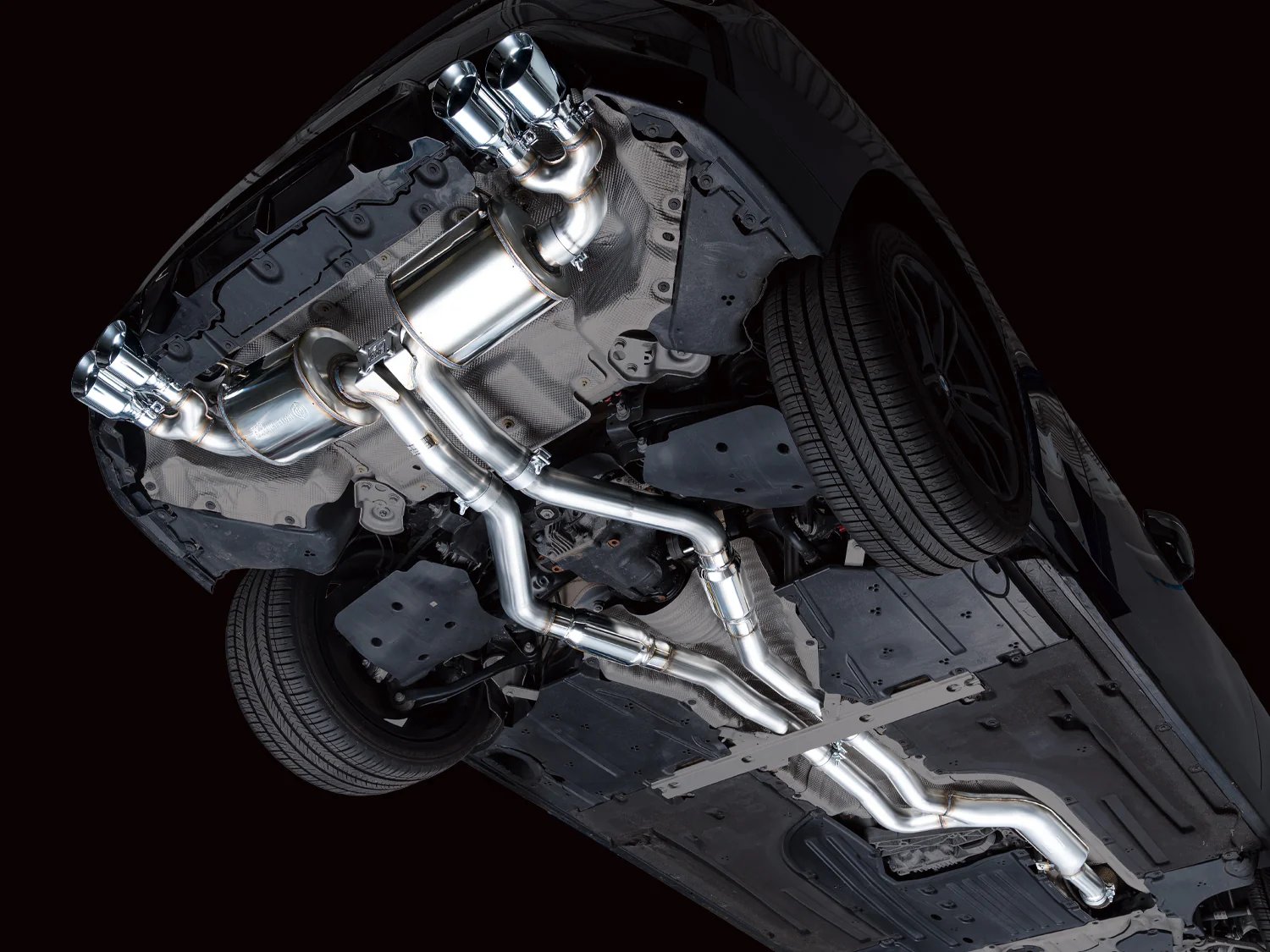
AWE Tuning Launches New Exhaust Suite for the BMW G42 M240i
The Pennsylvania-based exhaust maker says its straight-through 3-inch system frees up 65 percent more flow than stock, with Touring and Track editions built around the B58 inline-six.