
3D Printers Are Turning Garages Into Body Kit Shops — and Bugatti's Taking Notes
From a widebody Miata kit designed in Fusion 360 and printed on a desktop machine to Bugatti's titanium brake calipers, additive manufacturing is reshaping what "aftermarket" means.
Brent Foster, an architecture student, wanted a widebody kit for his pink Mazda Miata and didn't want to pay a fabricator for one. So he designed it himself — modeling curvaceous fender flares and a ducktail spoiler in Fusion 360 and Blender, largely self-taught off online tutorials, drawing inspiration from the Rocket Bunny-style "Live To Offend" kit built for the FD Mazda RX-7. He printed the whole thing on a Creality K1 Max, a roughly $1,000 desktop FDM machine, in PLA and PETG — burning through about 30 spools of filament because the kit was too big to print in one piece and had to be built in sections, then assembled. The printed panels aren't the final parts; they're molds, which he plans to fiberglass over for something durable enough to actually drive on. Design to first-fit took him about two weeks.
Foster isn't alone — there's a growing community of people doing versions of this, trading STL files for mirror housings, canards, hood scoops, and fender flares the way an earlier generation traded fabrication tips on forums. The trick that makes it work on a budget printer is the same one Foster used: print the shape, then reinforce it, rather than printing a load-bearing final part directly. For pieces that do need to survive on the car as-is, the material matters — ASA holds up to UV and heat where PLA would warp and fade, and nylon-carbon-fiber composites like PA-CF are what race teams reach for when a splitter or bracket actually needs to carry a structural load. None of this is entirely new, either: Local Motors printed the Strati, a functioning two-seat EV, live at a Chicago trade show in 2014 using a stadium-sized industrial printer — it took 44 hours to print and needed only about 40 parts, versus the 20,000-plus in a typical car.
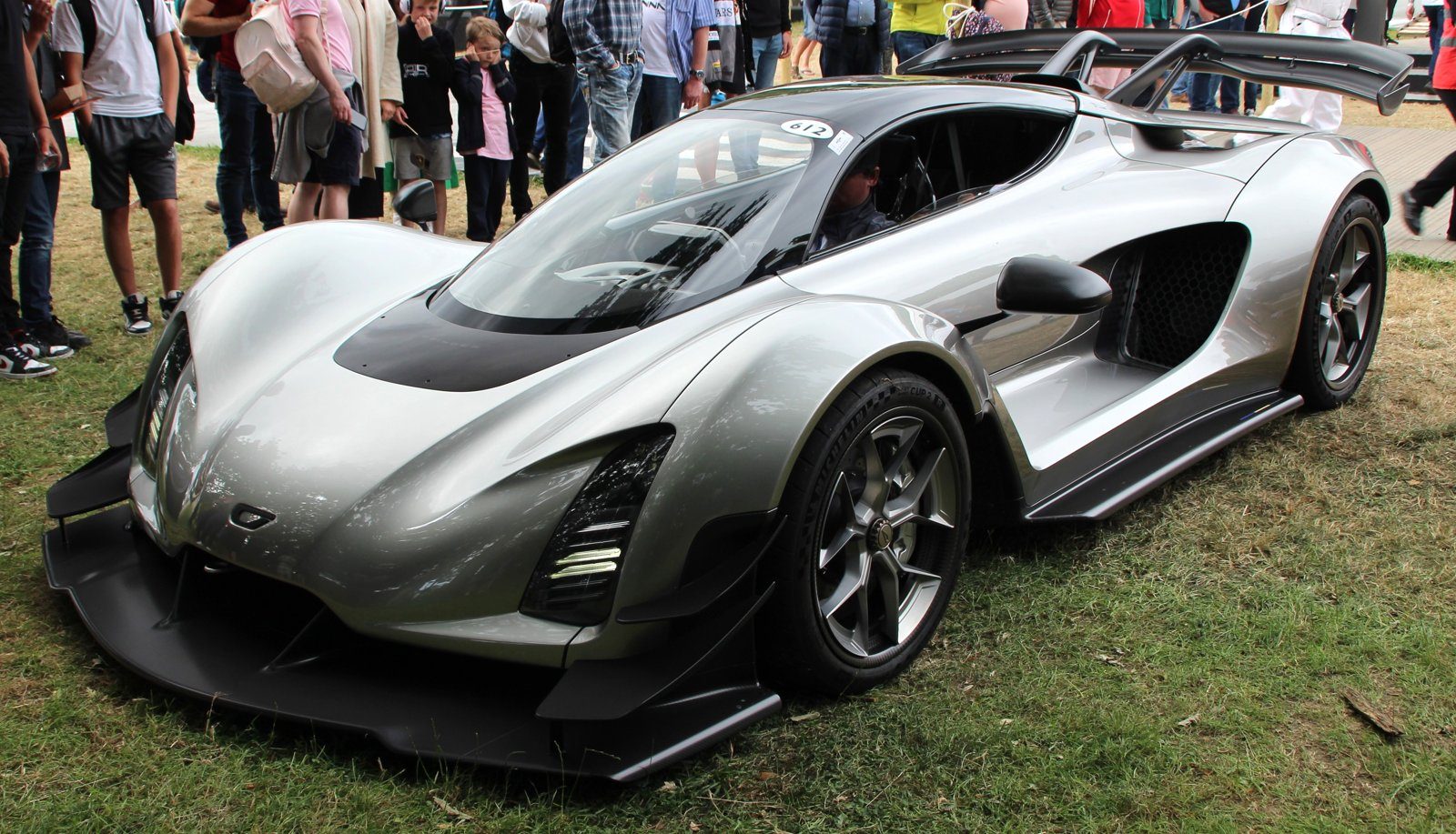
At the other end of the same technology, the stakes look different but the logic doesn't. In 2018, Bugatti 3D-printed a titanium brake caliper — at the time the largest functional titanium part ever produced this way — cutting the component's weight from 4.9 kg to 2.9 kg while increasing its strength, a process that took 45 hours and 2,213 printed layers across four lasers. Czinger's 21C hypercar goes further still: more than 350 of its structural components, from suspension wishbones to the windscreen surround, are 3D-printed metal "nodes" joined by off-the-shelf carbon-fiber tubes and aluminum extrusions, a manufacturing approach from Divergent Technologies that both McLaren and Bugatti are now exploring for their own future models. It's the same core idea as a kid in a dorm room printing Miata fenders section by section — just with a very different budget attached to it.
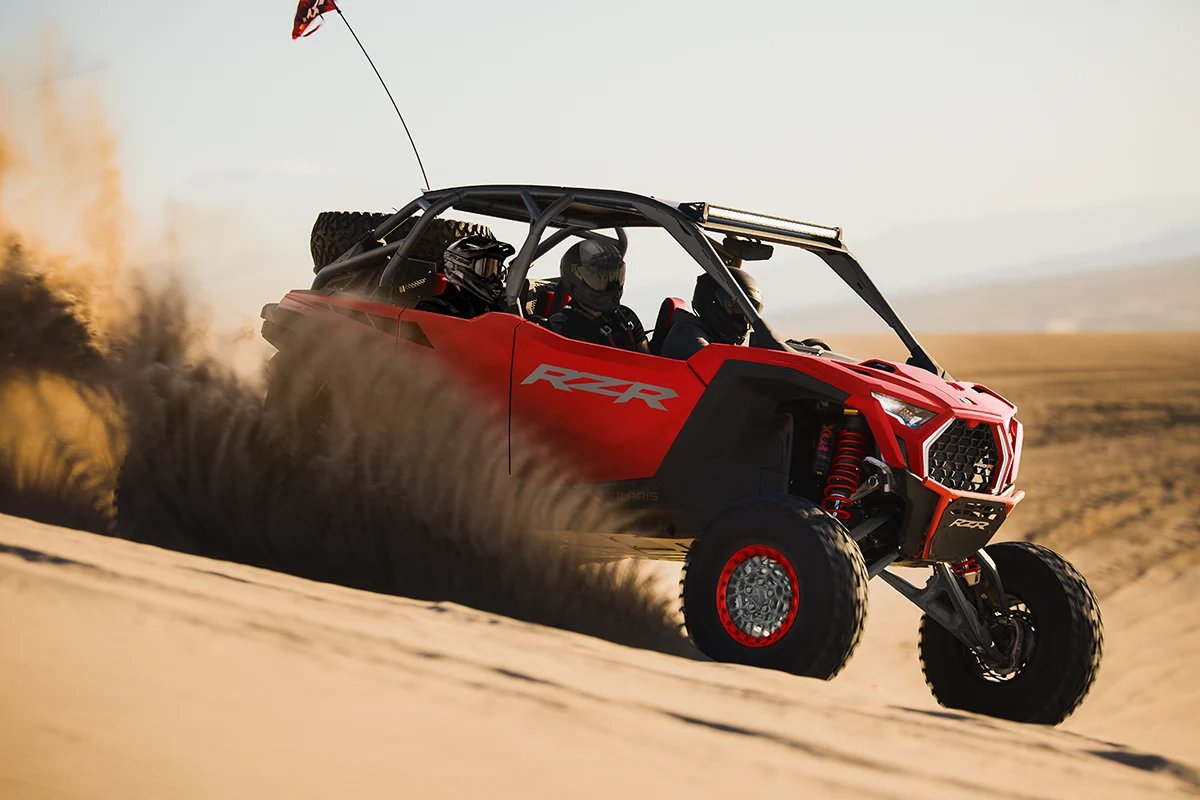
Rockford Fosgate Adds Three Factory-Fit Audio Kits for Polaris RZR and Sportsman
The Tempe, Arizona audio maker rolled out a rear-door speaker upgrade, a boosted subwoofer kit, and a new front-rack system built for Polaris off-road vehicles.
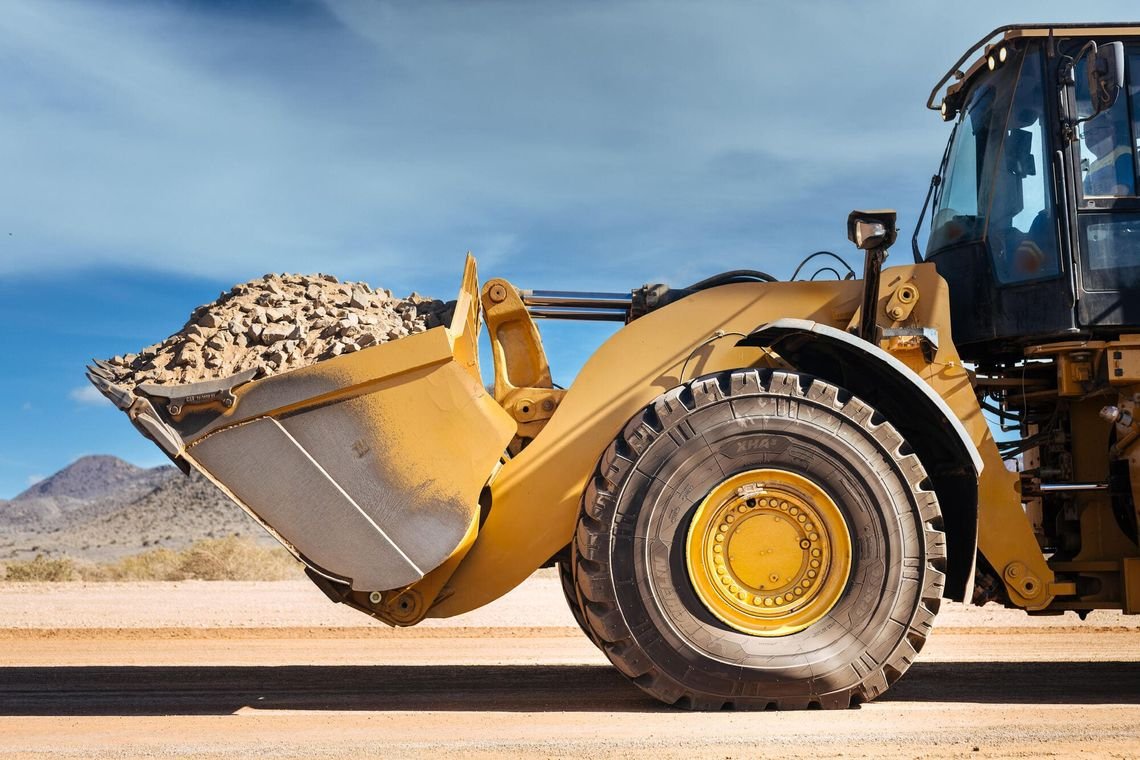
Michelin Launches XHA3 Radial Tire for Loaders, Dump Trucks and Graders
The new construction-equipment tire adds a sensor-free visual inflation indicator and claims up to 20% longer wear life than its predecessor, with U.S. availability beginning this year.
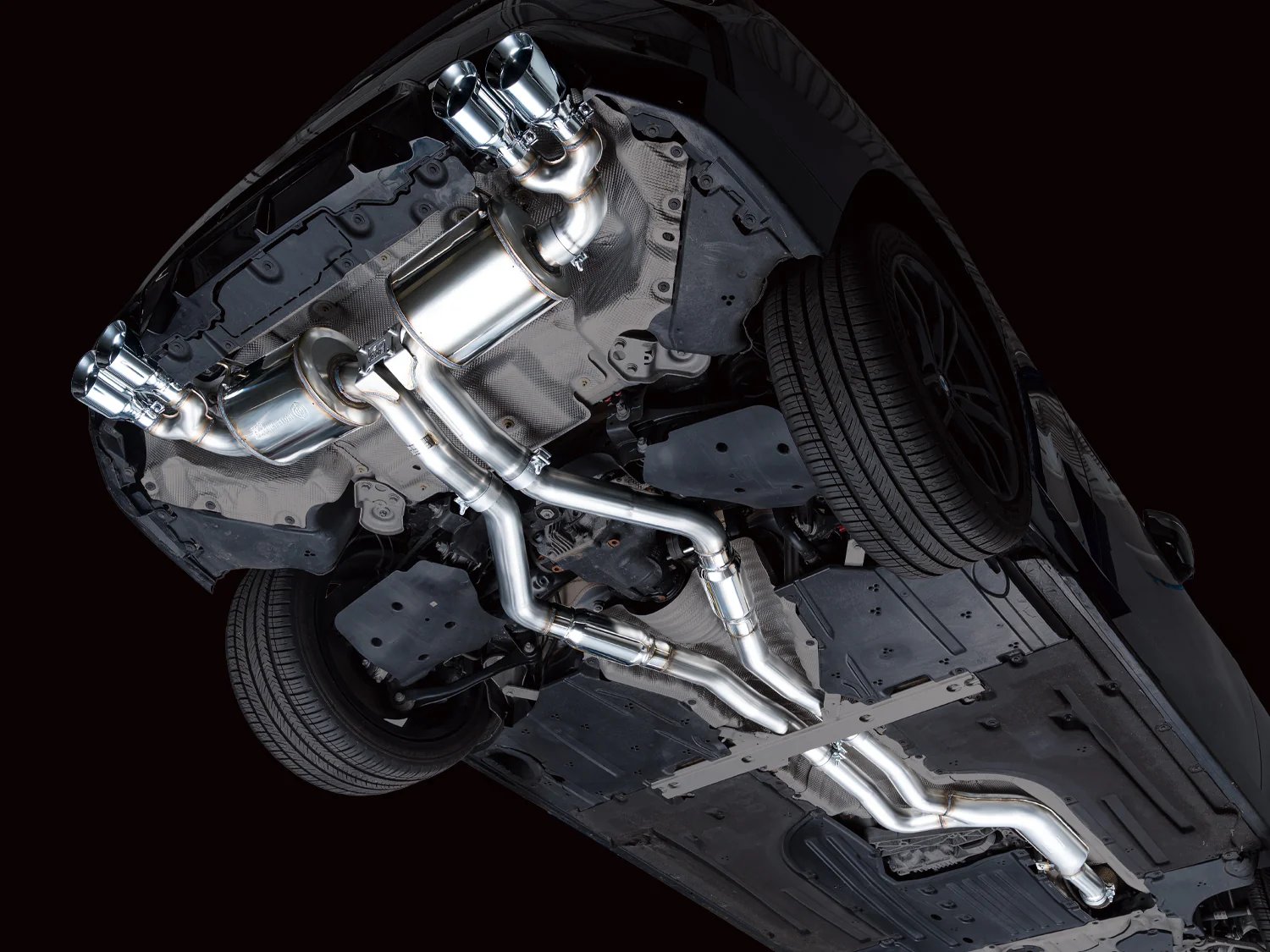
AWE Tuning Launches New Exhaust Suite for the BMW G42 M240i
The Pennsylvania-based exhaust maker says its straight-through 3-inch system frees up 65 percent more flow than stock, with Touring and Track editions built around the B58 inline-six.