
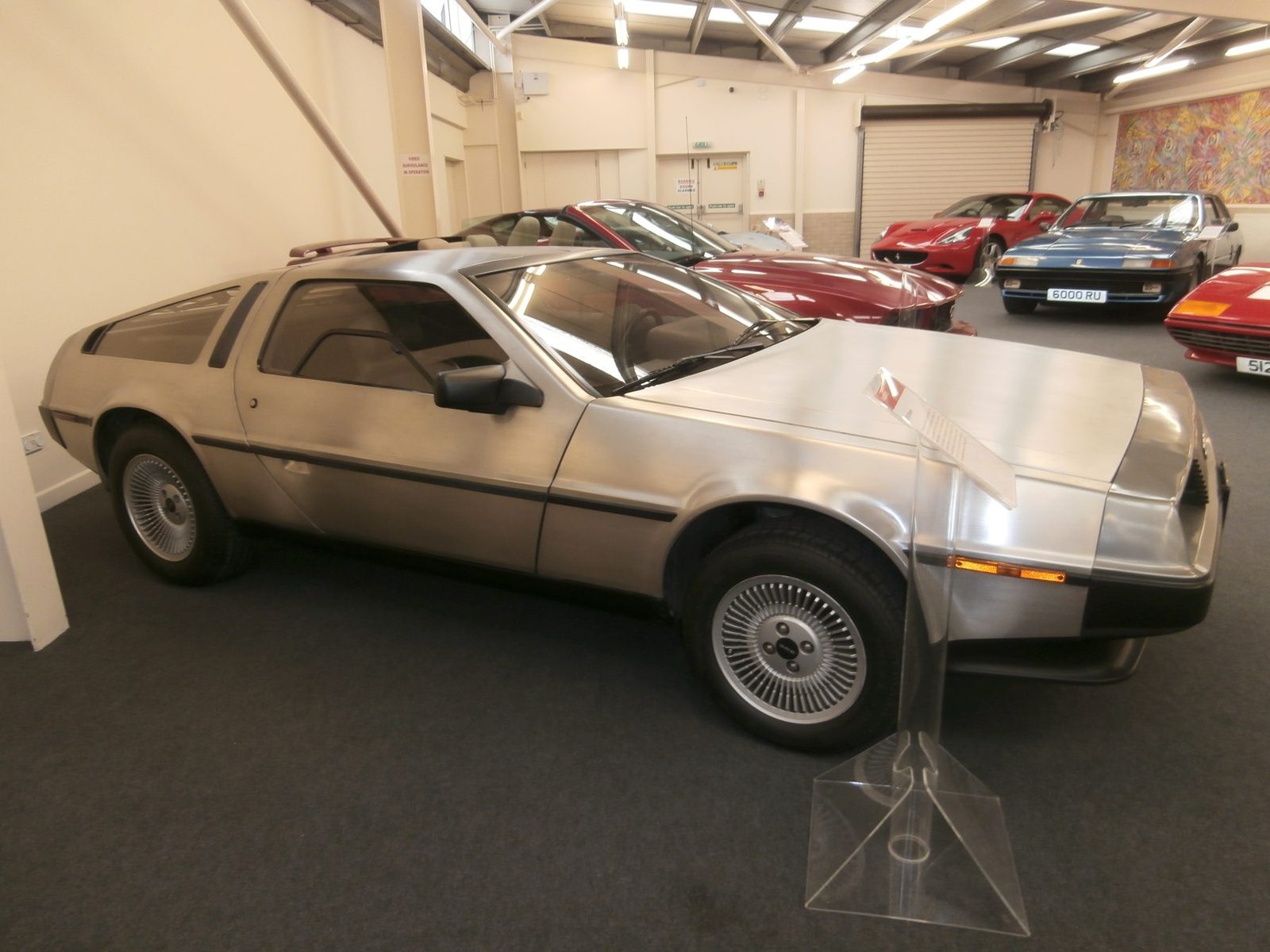
The Man Behind the DeLorean Was Arrested Trying to Save It With $24 Million in Cocaine
John DeLorean's company was months from collapse in 1982. His solution — walking into an FBI sting — is stranger than anything in the movie his car ended up starring in.
John DeLorean started the DeLorean Motor Company in Northern Ireland in 1978 with financial backing that included the British government and celebrity investors like Johnny Carson and Sammy Davis Jr. The DMC-12 — stainless steel body, gullwing doors, the only model the company ever built — went into production in January 1981 and sold poorly enough that the Belfast plant closed less than two years later, in December 1982.
By mid-1982, DeLorean needed roughly $17 million to keep the company from collapsing entirely and spent much of that year chasing investors who could bail him out. On June 28, a man named James Hoffman approached him claiming to have a business opportunity. Hoffman was, in reality, a convicted drug smuggler working as a federal informant, and the opportunity he was offering wasn't real financing — it was the setup for a sting.
On October 19, 1982, DeLorean was arrested and charged with conspiracy to obtain and distribute 55 pounds of cocaine, worth an estimated $24 million, after a hotel-room meeting where an undercover agent opened a suitcase in front of him. It was, by any measure, a spectacular fall for a man who'd been one of General Motors' most prominent executives before striking out on his own.
DeLorean's defense argued entrapment, and it worked. A former DEA agent testified that Hoffman had read about DeLorean's financial troubles and specifically bragged about luring him in with a fake way out of them. On August 16, 1984, DeLorean was acquitted on grounds of government entrapment — legally exonerated, company already gone. The DMC-12 outlived the scandal by becoming Back to the Future's time machine three years later, which is the version of this story most people actually know, with the FBI sting as the stranger true story running underneath it.
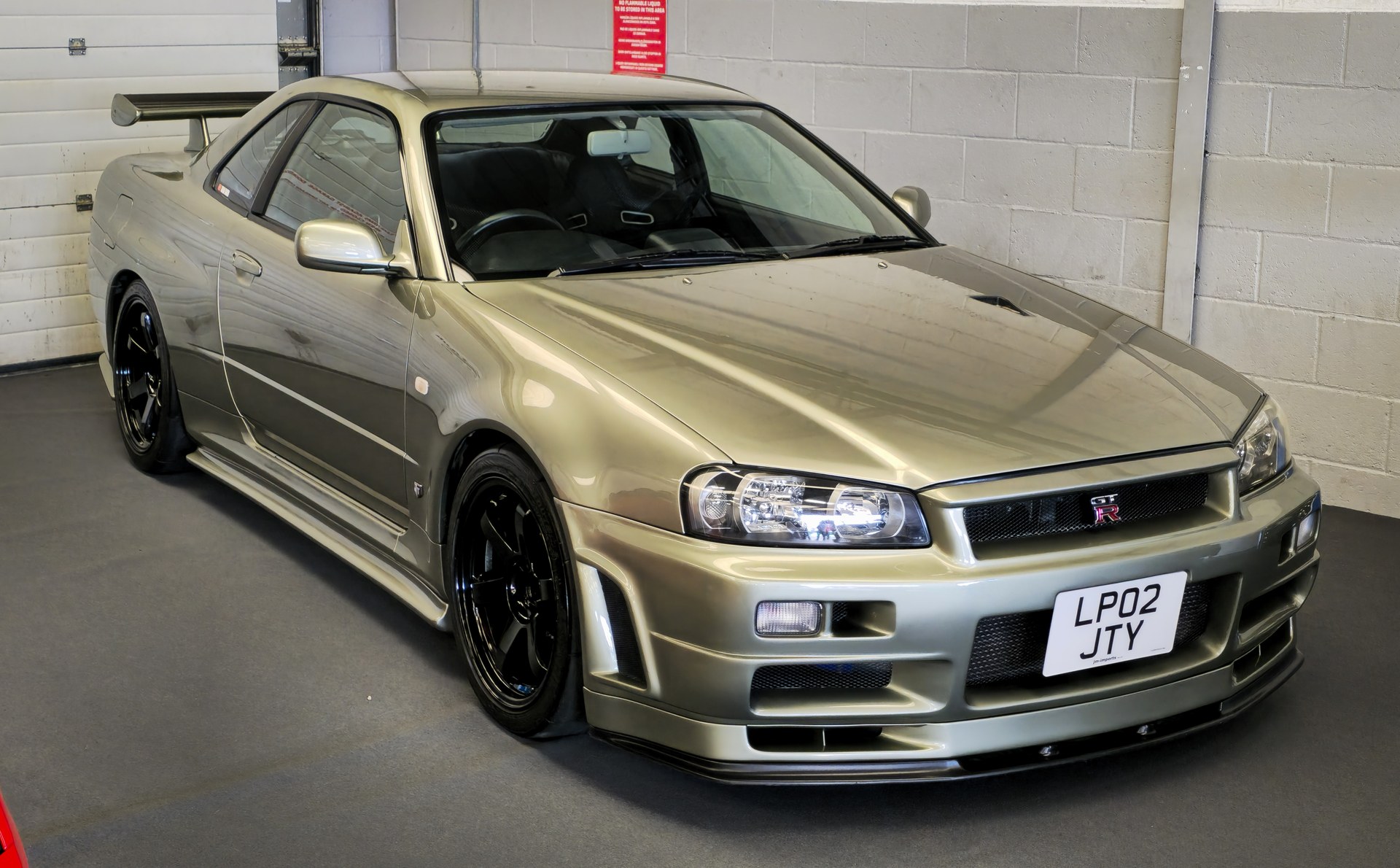
The Class of 2002: Japan's Last Great Send-Offs Start Clearing US Customs Next Year
The 25-year rule rolls into 2002 in January, and 2002 is the year Nissan, Mazda and Honda all signed off their icons at once — the GT-R Nür, the RX-7 Spirit R and the NSX-R.
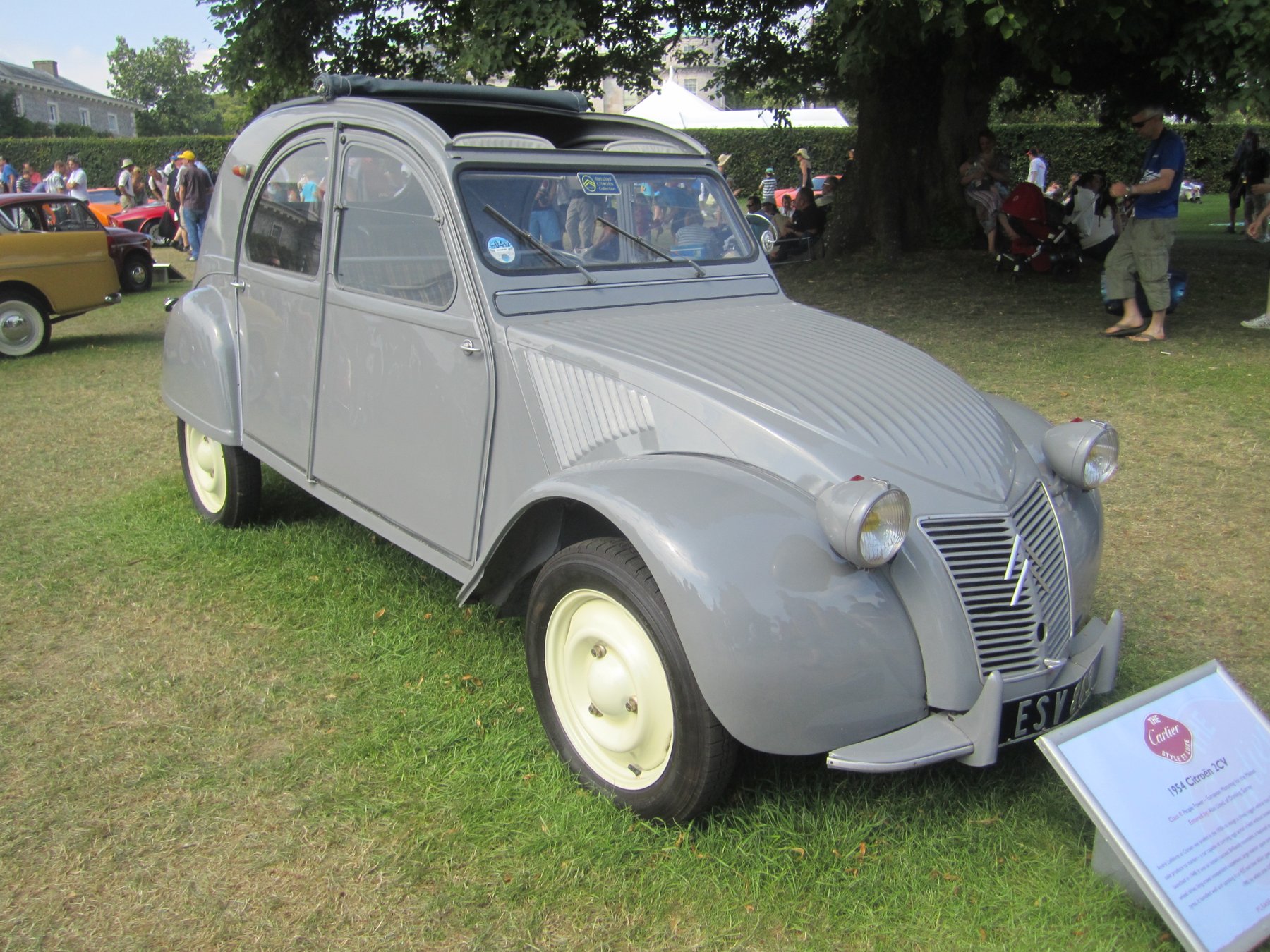
The 2CV Was a Shortage Made Into a Car. An EV Can't Inherit That
Citroën is teasing an electric 2CV concept for Paris. The original was the product of a design brief about potatoes, clogs and unpaved roads — and of a France that had almost no steel, no fuel and no money.
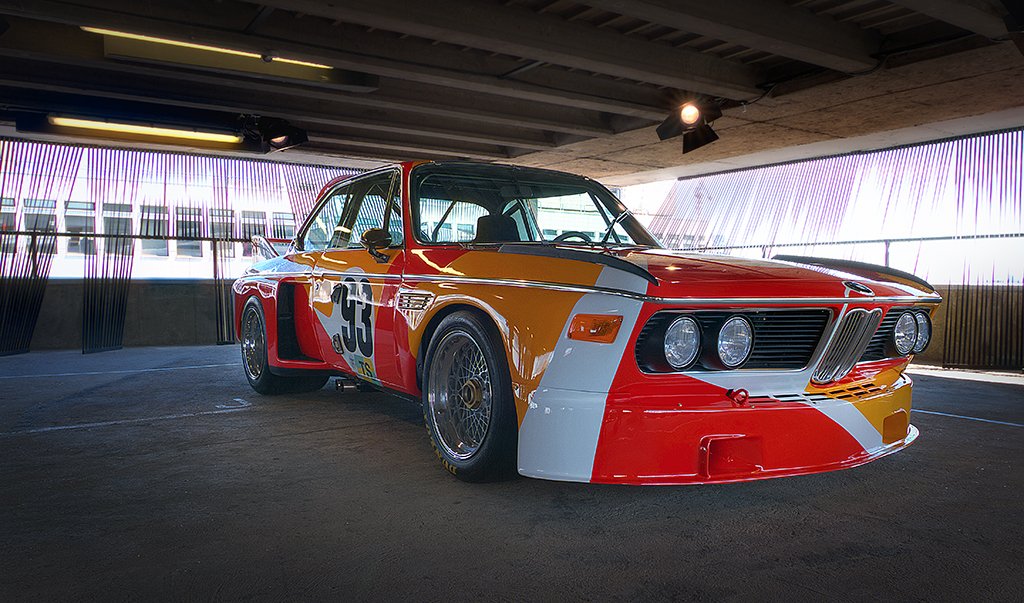
For the First Time, All 20 BMW Art Cars Are Under One Roof in Munich
A free exhibition at BMW Welt brings together five decades of the automaker's Art Car program, from Alexander Calder's 1975 Le Mans racer to Julie Mehretu's 2024 hypercar.