
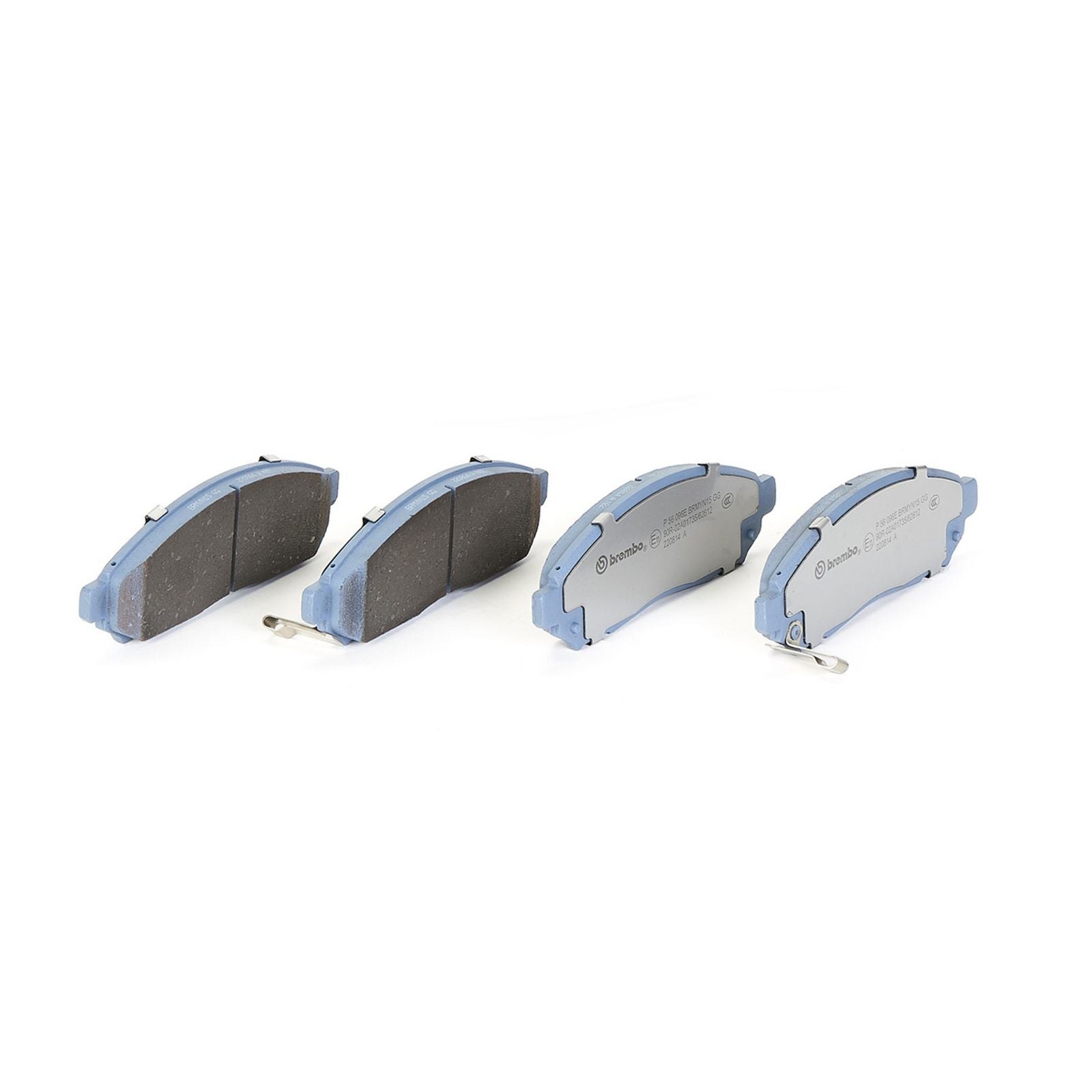
Brembo's 'Beyond EV' Kit Is Built Specifically for How Electric Cars Actually Brake
A coated-disc and matched-pad system engineered around regenerative braking behavior, aimed at the fast-growing EV and hybrid aftermarket.
Brembo has launched a new product family, the Beyond EV Kit, built specifically for electric and plug-in hybrid vehicles rather than adapted from an existing combustion-car part. The kit pairs specially coated discs with a matched pad compound designed around how EVs actually use their friction brakes — sparingly, and mostly at low speed, since regenerative braking handles the bulk of everyday deceleration.
That usage pattern creates a problem combustion cars don't have: friction brakes that sit mostly idle are prone to corrosion and rotor rust, and when they do engage, dust and noise characteristics differ from a conventionally-braked car. Brembo's coating and pad compound are aimed directly at those two issues — reduced corrosion from long idle periods and cleaner, quieter engagement when the calipers do clamp down.
It's a genuine gap in the aftermarket brake market: most disc and pad development over the last several decades has been tuned around combustion-car braking habits, and EVs brake differently enough that a purpose-built product actually matters. As EV and hybrid registrations keep climbing, expect more of Brembo's competitors to follow with their own regen-tuned lines rather than just relabeling combustion-car parts for EV fitment.

Rockford Fosgate Adds Three Factory-Fit Audio Kits for Polaris RZR and Sportsman
The Tempe, Arizona audio maker rolled out a rear-door speaker upgrade, a boosted subwoofer kit, and a new front-rack system built for Polaris off-road vehicles.

Michelin Launches XHA3 Radial Tire for Loaders, Dump Trucks and Graders
The new construction-equipment tire adds a sensor-free visual inflation indicator and claims up to 20% longer wear life than its predecessor, with U.S. availability beginning this year.
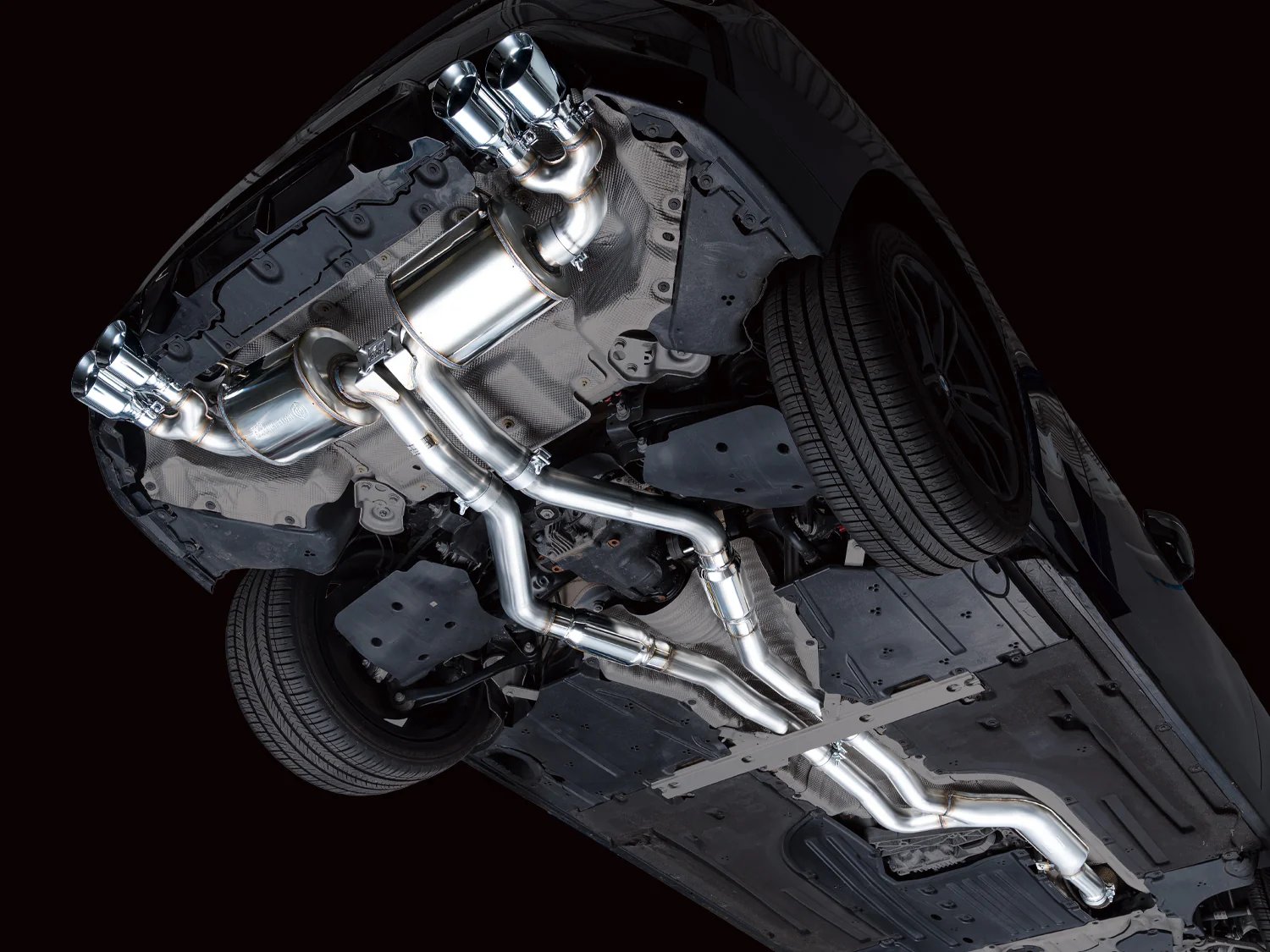
AWE Tuning Launches New Exhaust Suite for the BMW G42 M240i
The Pennsylvania-based exhaust maker says its straight-through 3-inch system frees up 65 percent more flow than stock, with Touring and Track editions built around the B58 inline-six.