
Tariffs Are Quietly Reshaping the 2026 Price Sheet
Volkswagen raised prices across the board. Toyota's profits took an eight-billion-dollar hit. The tariff bill is coming due at the dealership.
Volkswagen of America has raised starting prices on its 2026 model-year lineup by between 1.9% and 6.5%, one of the clearest signals yet that the current round of US auto tariffs is no longer a background story — it's showing up directly on the price sheet. The Trump administration's tariffs apply a 25% duty on vehicles built outside the US and on many of the parts used in US-built cars, with a reduced 15% rate carved out for vehicles from the EU, South Korea, and Japan.
The numbers are adding up on both ends of the transaction. New-vehicle prices rose an average of $1,315 in the first quarter of 2026 compared with the same period a year earlier, according to Cox Automotive data, and destination fees have hit record highs — $2,795 on full-size GM and Ford trucks and SUVs. On the manufacturer side, Toyota's net income fell 25% over the first nine months of its fiscal year, with the company citing roughly 1.2 trillion yen, or about $8 billion, in direct tariff costs.
Not every automaker is handling it the same way. Sonic Automotive president Jeff Dyke told the company's Q4 earnings call plainly: "The tariffs are too high on some of these brands, and they're going to pass pricing on. It's already happening." Volkswagen's US deliveries fell 6% in the most recent quarter even as Audi's held flat, suggesting buyers are already starting to react to the new numbers rather than just absorbing them.
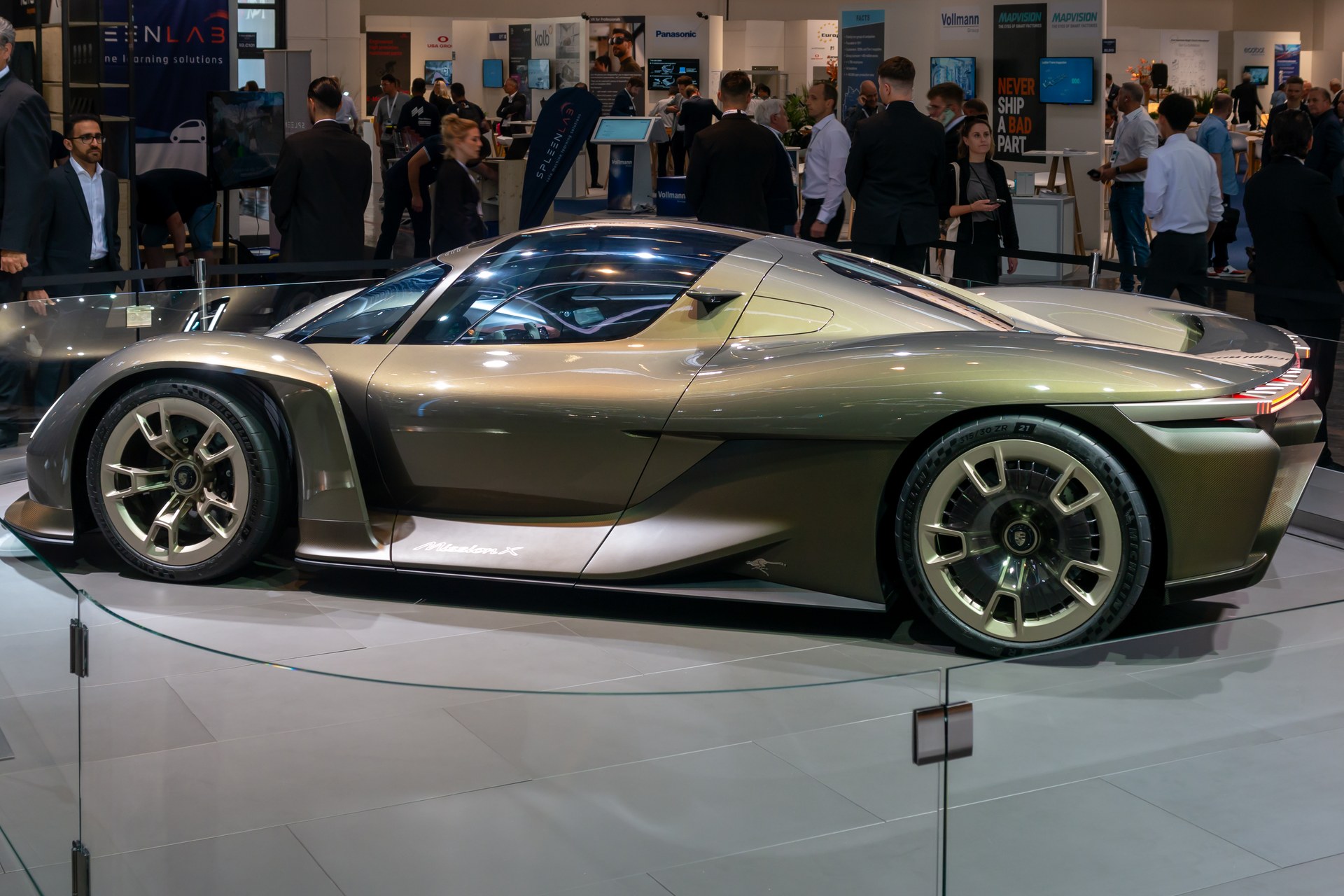
Three Years On, the Mission X Is Still a Concept — and Porsche Just Ruled Out a BEV Above the 911
The 2023 study promised four motors, 900 volts and a 1:1 power-to-weight ratio. In October, Porsche's chairman said there's no demand for a battery-electric car on the new supercar platform.
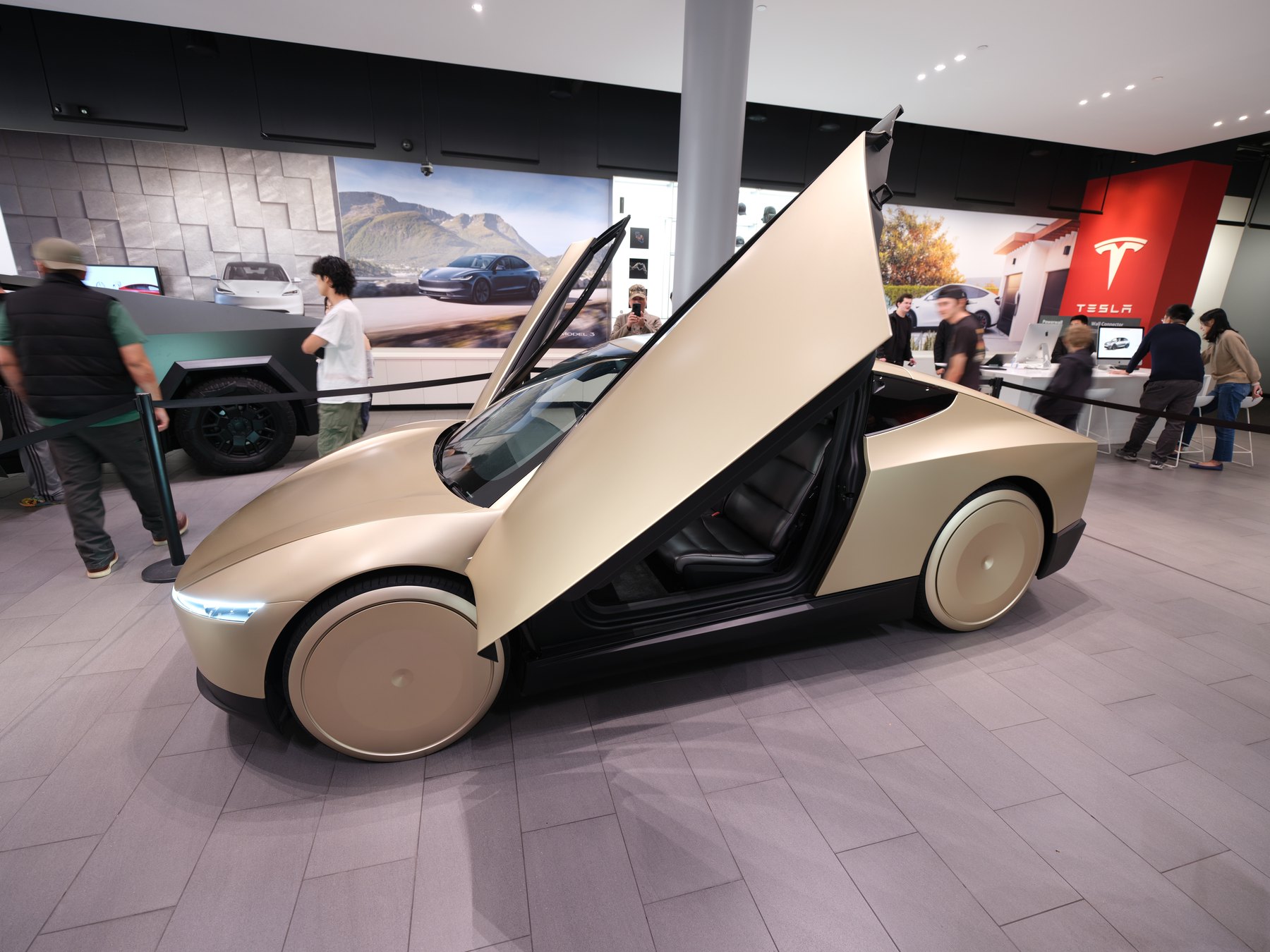
Three Videos and a Complaint: NHTSA Opens a School-Zone File on Tesla's Robotaxis
The federal evidence pile is four incidents, no crashes and no injuries. The question underneath it is bigger than that: whether an automated driving system reliably knows when a school zone is switched on.
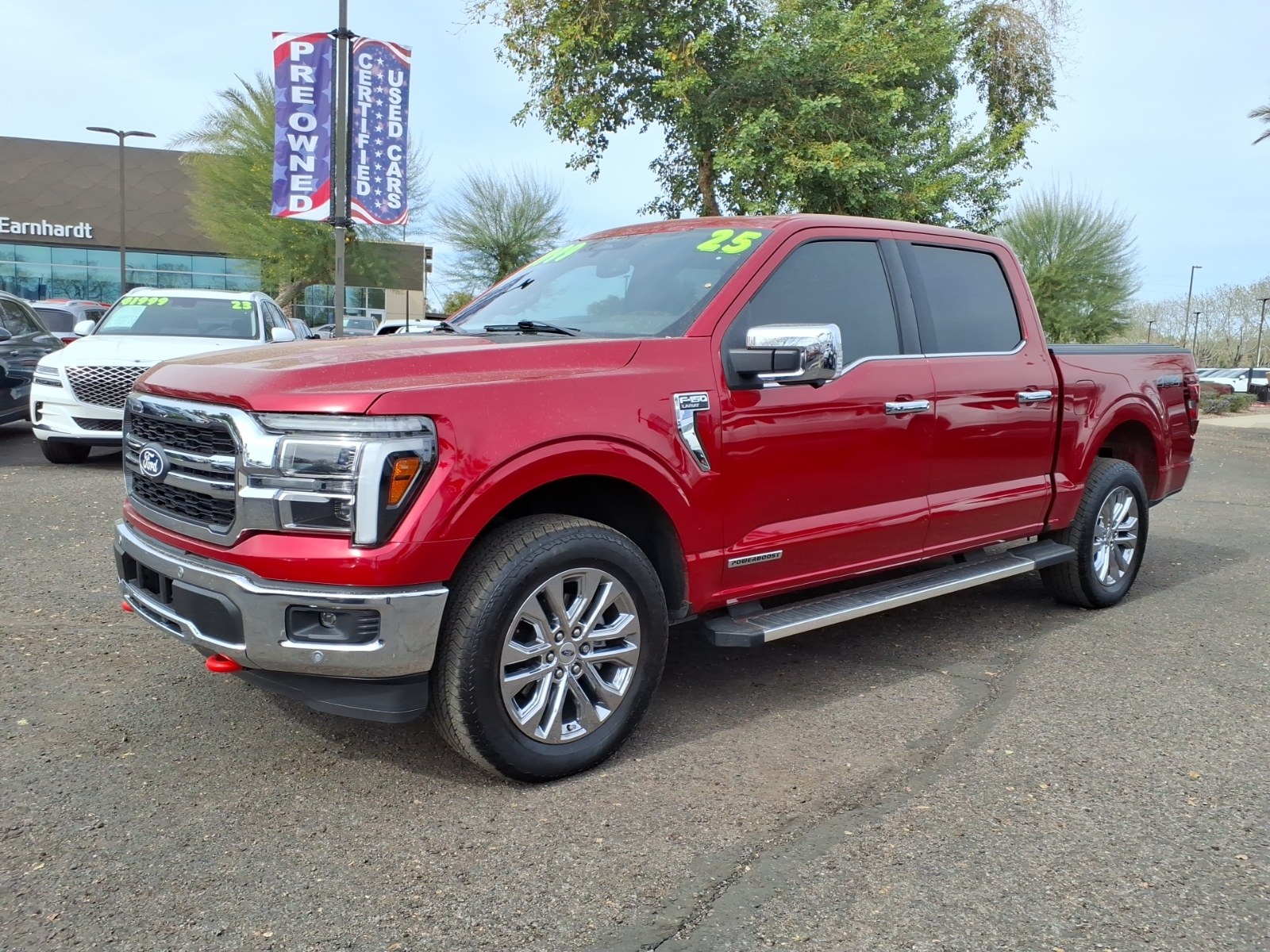
Ford Recalls 2,276 F-150s Because a Repair Was Logged as Finished and Wasn't
The defect is the bolts that hold the front seats to the floor. The chronology is the part worth reading: an operator ran out of cycle time, the line stopped exactly as the protocol says it should, and then somebody ticked the repair off in the tracking system before it had been made.