
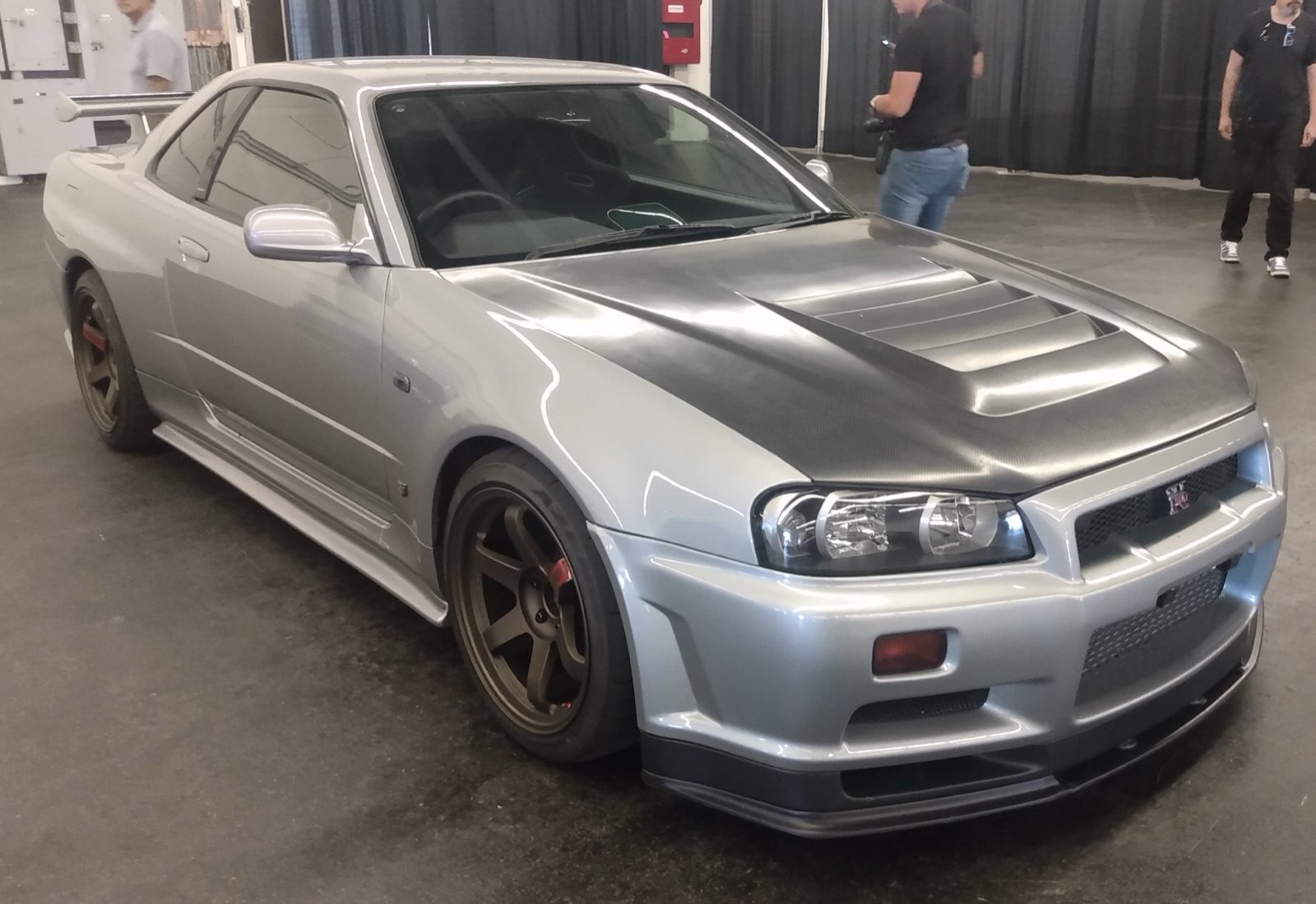
The R34 GT-R's Whole Model Year Is Now Legal to Import
The 25-year import rule just cleared 2001 — meaning the R34 GT-R V-Spec II, the Evo VII, and the DC5 Integra Type R are all fair game in the US now.
Under 49 CFR § 591.5(i) — the federal rule that traces back to the Imported Vehicle Safety Compliance Act of 1988 — a car becomes exempt from US safety-certification requirements once it turns 25 years old, based on its actual month and year of manufacture rather than its model year. That threshold rolled through 2001 this year, which means a wave of genuinely iconic Japanese sports cars are now legally importable for the first time: the Nissan Skyline R34 GT-R (including the V-Spec II, though not the Nür, which Nissan did not launch until February 2002), the Mitsubishi Lancer Evolution VII, the first-year Subaru Impreza WRX STI (GDB chassis), the first-year Honda Integra Type R (DC5), and the Nissan Silvia S15, among others.
The rule works on a rolling basis, not an annual snapshot — a car built in January 2001 became eligible in January 2026, while one built in June 2001 has to wait until June. Prior R34 GT-R production years already made the jump earlier: 1999-built cars cleared in 2024, 2000-built cars in 2025. This year's wave is simply the next slice of the same clock.
None of that makes importing one cheap or simple. Total landed cost — purchase price plus shipping, duties, and compliance fees — commonly runs 30% to 50% above the car's sticker price in Japan, and R34 GT-R asking prices on the Japanese market have already climbed well into six figures. The 25-year rule doesn't create the car's value. It just finally lets American buyers compete for it legally.
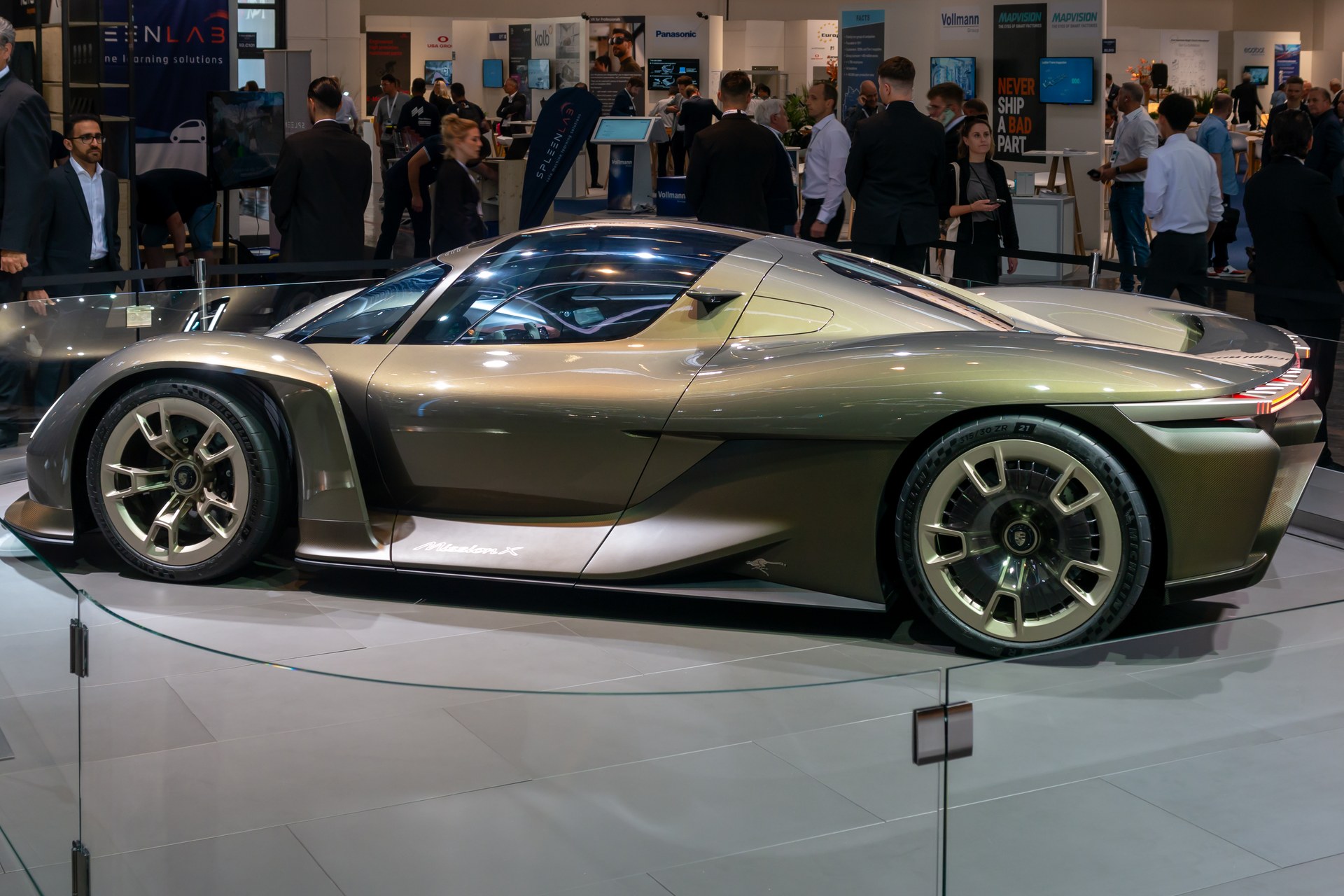
Three Years On, the Mission X Is Still a Concept — and Porsche Just Ruled Out a BEV Above the 911
The 2023 study promised four motors, 900 volts and a 1:1 power-to-weight ratio. In October, Porsche's chairman said there's no demand for a battery-electric car on the new supercar platform.
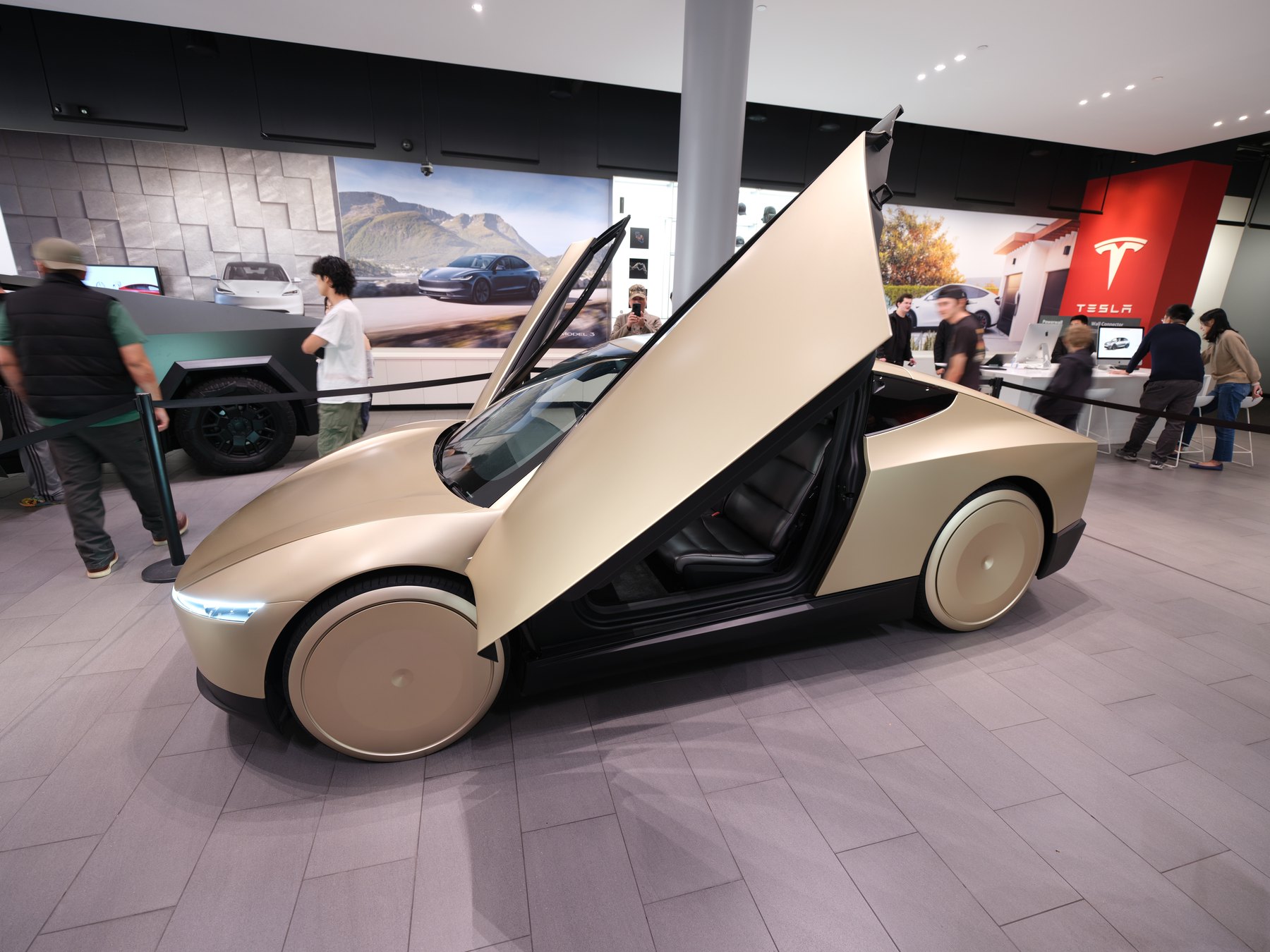
Three Videos and a Complaint: NHTSA Opens a School-Zone File on Tesla's Robotaxis
The federal evidence pile is four incidents, no crashes and no injuries. The question underneath it is bigger than that: whether an automated driving system reliably knows when a school zone is switched on.
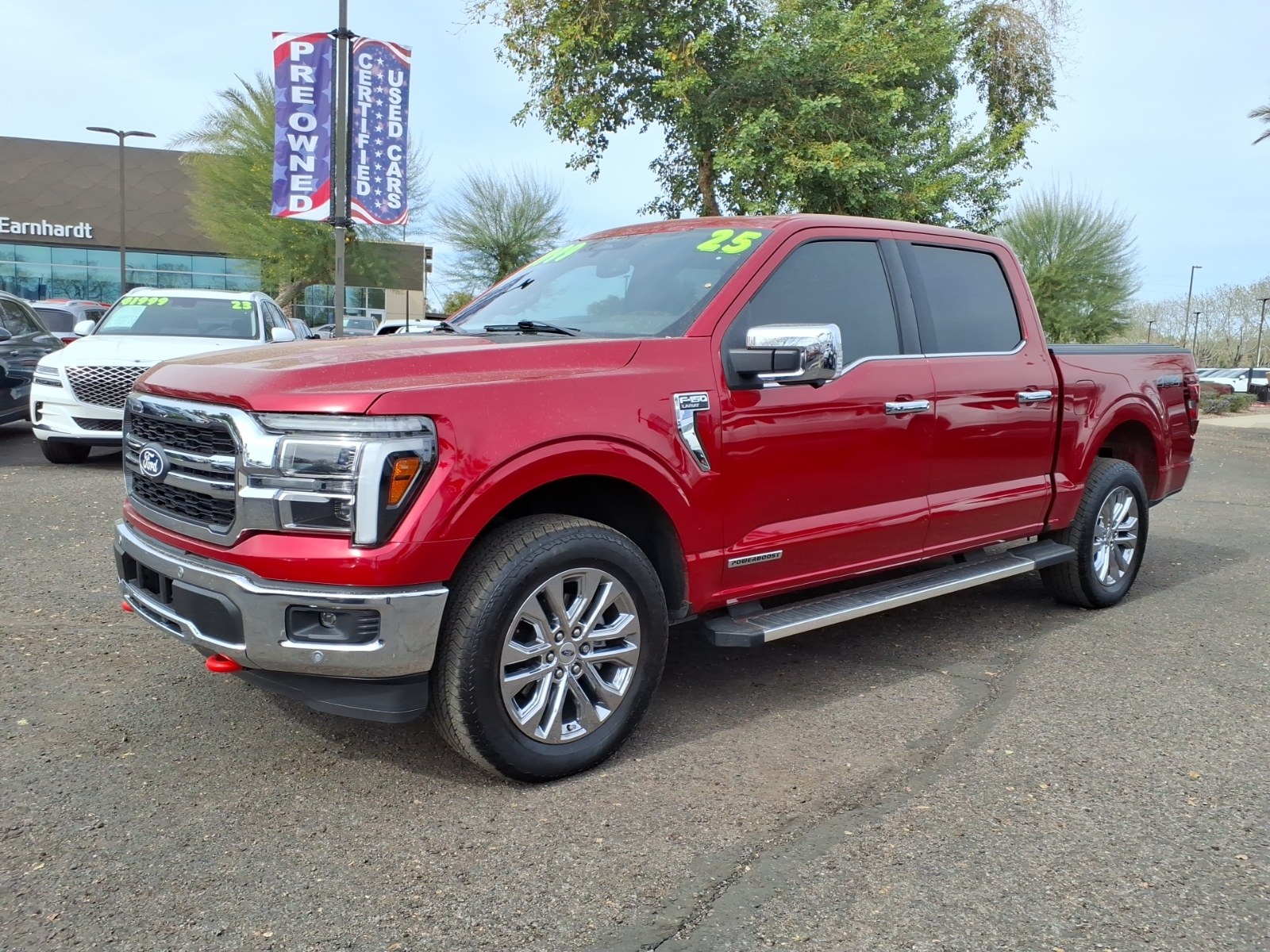
Ford Recalls 2,276 F-150s Because a Repair Was Logged as Finished and Wasn't
The defect is the bolts that hold the front seats to the floor. The chronology is the part worth reading: an operator ran out of cycle time, the line stopped exactly as the protocol says it should, and then somebody ticked the repair off in the tracking system before it had been made.