
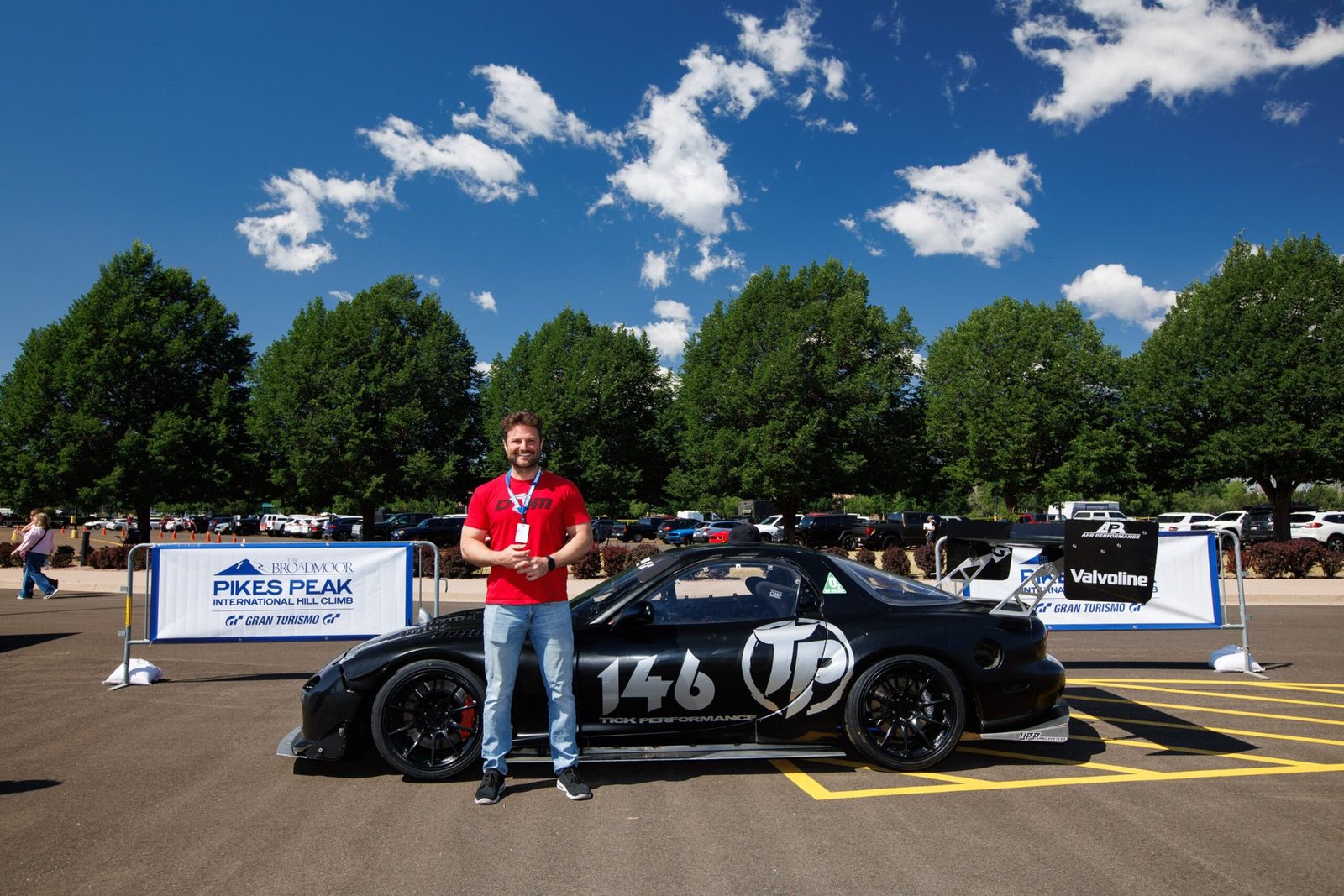
Rob Dahm Took His Three-Rotor RX-7 Up Pikes Peak — Not the Car You'd Expect
The rotary-engine YouTuber best known for a quad-rotor, all-wheel-drive RX-7 brought a different car to the 2026 Broadmoor Pikes Peak International Hill Climb: a purpose-built, three-rotor hillclimber that finished 13th in the Pikes Peak Open division.
- Event
- 104th Broadmoor Pikes Peak Int'l Hill Climb, June 21, 2026
- Car
- #146, 1993 Mazda RX-7, 3-rotor
- Division
- Pikes Peak Open
- Finish
- 13th in division, 50th overall
- Time
- 11
Car YouTube has spent years associating Rob Dahm with one specific machine: a quad-rotor, all-wheel-drive RX-7 that's been under construction, in one form or another, for the better part of a decade. That car wasn't the one he brought to Colorado this June. For the 104th running of the Broadmoor Pikes Peak International Hill Climb on June 21, Dahm entered a different, purpose-built RX-7 — a three-rotor hillclimber, running as car #146 in the Pikes Peak Open division — and drove it to the summit.
According to the event's official results, Dahm finished 13th in the Pikes Peak Open class and 50th overall out of the full field, posting a time of 11:40.456 on the 12.42-mile, 156-turn course up to the 14,115-foot summit — the same course, on the same day, that Ford factory driver Romain Dumas won outright in a 1,400-horsepower electric Super Mustang Mach-E. Dahm's RX-7 wasn't fighting for the overall win; Pikes Peak Open is the event's catch-all class for cars that don't fit the purpose-built Unlimited or production-based classes, and a rotary-powered '93 RX-7 running mid-pack against everything from a 2015 Porsche GT3 Cup car to a 1967 Dodge Coronet is a fair summary of what that division looks like.
The car itself is a different build from the AWD quad-rotor project Dahm has spent years developing for the street and time attack. Its sequential gearbox — a Tremec T56 Magnum fitted with a straight-cut sequential conversion — was built through a collaboration between Tremec, Pfitzner Performance Gearboxes, and Tick Performance, according to Tick Performance's own account of the project. PPG's sequential systems are designed to work with closed-loop shift strategies capable of sub-70-millisecond gear changes, a spec aimed squarely at the kind of rapid, back-to-back shifting a hillclimb's blind corners and elevation changes demand.
Pikes Peak has become something of a proving ground for car-culture YouTubers looking to trade builds and dyno numbers for an actual, official, sanctioned result — Dahm's entry sits alongside a growing list of content creators who've taken project cars up the mountain rather than just filming them. Whatever the class placement, a 13th-in-division finish in a self-built three-rotor RX-7, on a mountain that regularly ends other entrants' runs early — three cars in the Pikes Peak Open field alone didn't finish this year — is a real, sanctioned result his YouTube dyno pulls and static builds don't produce on their own.
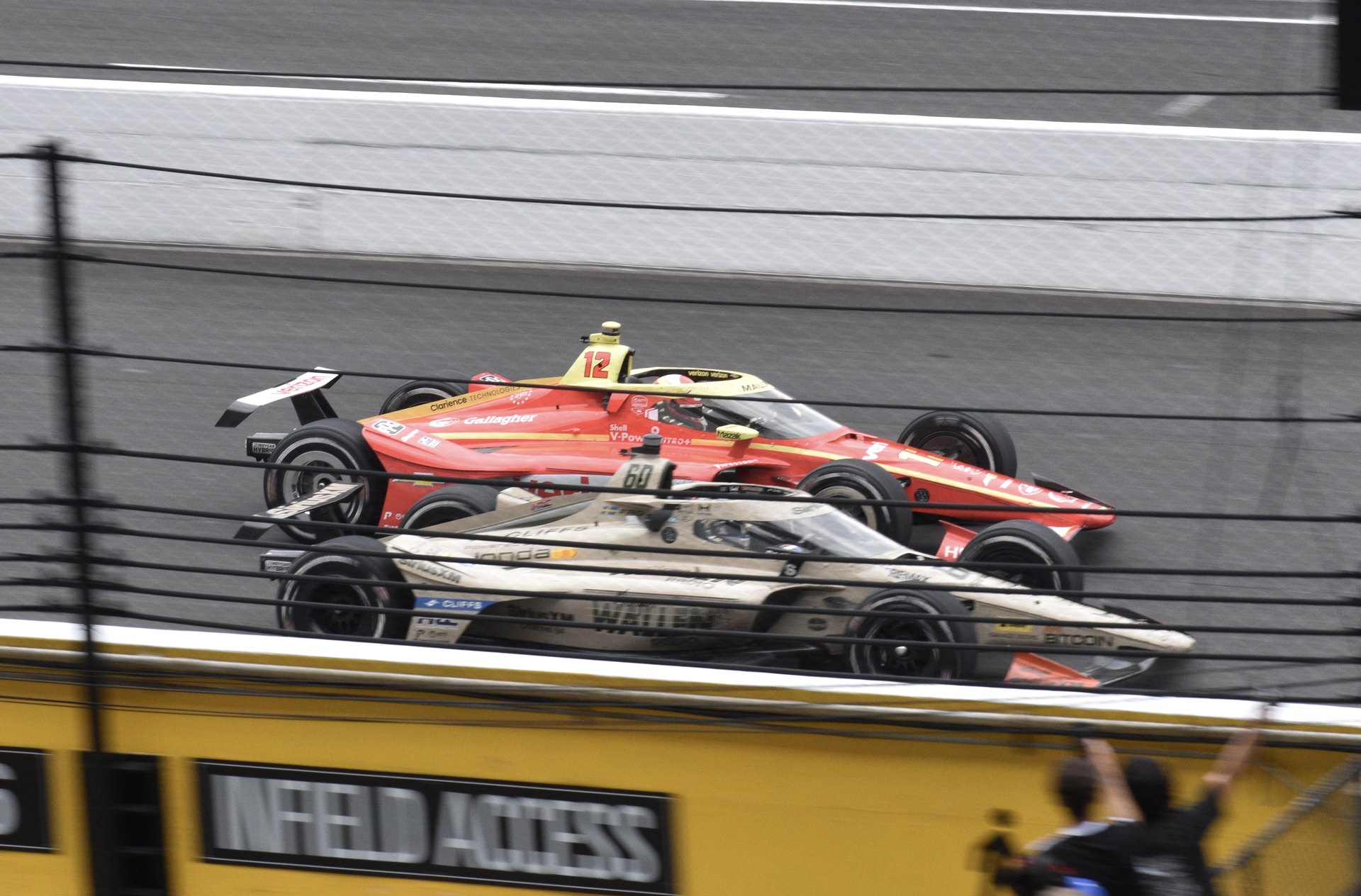
Portland Reopened IndyCar's Oldest Argument: What a Lapped Car Owes the Leader
Felix Rosenqvist and Will Power came off the podium asking for a real blue-flag rule. Alex Palou, who won the race, and his strategist made the case that the rule is fine as long as everyone lives under the same one.
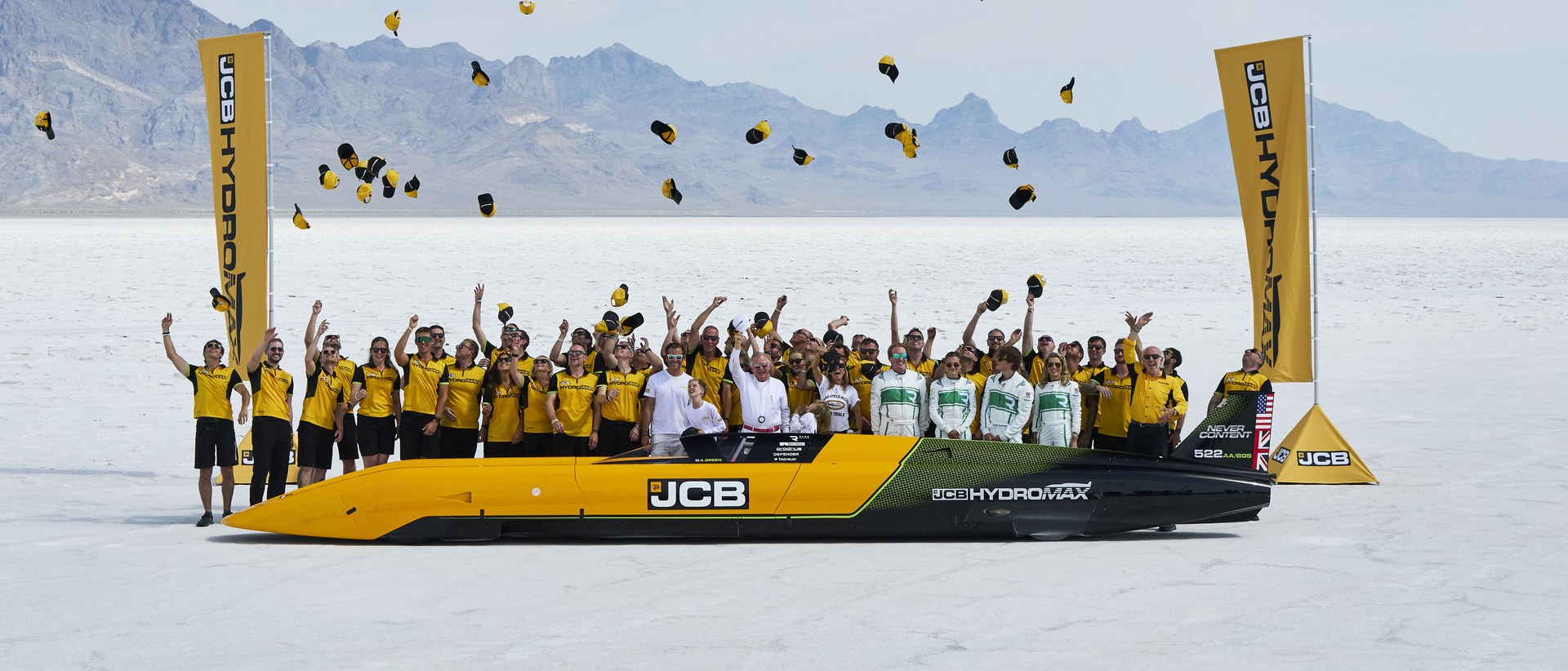
Two Digger Engines and 406 MPH: Andy Green Has a Third Record
The JCB Hydromax averaged 406.320 mph at Bonneville on a pair of hydrogen-burning excavator engines, more than doubling a hydrogen combustion mark that had stood since 2004.
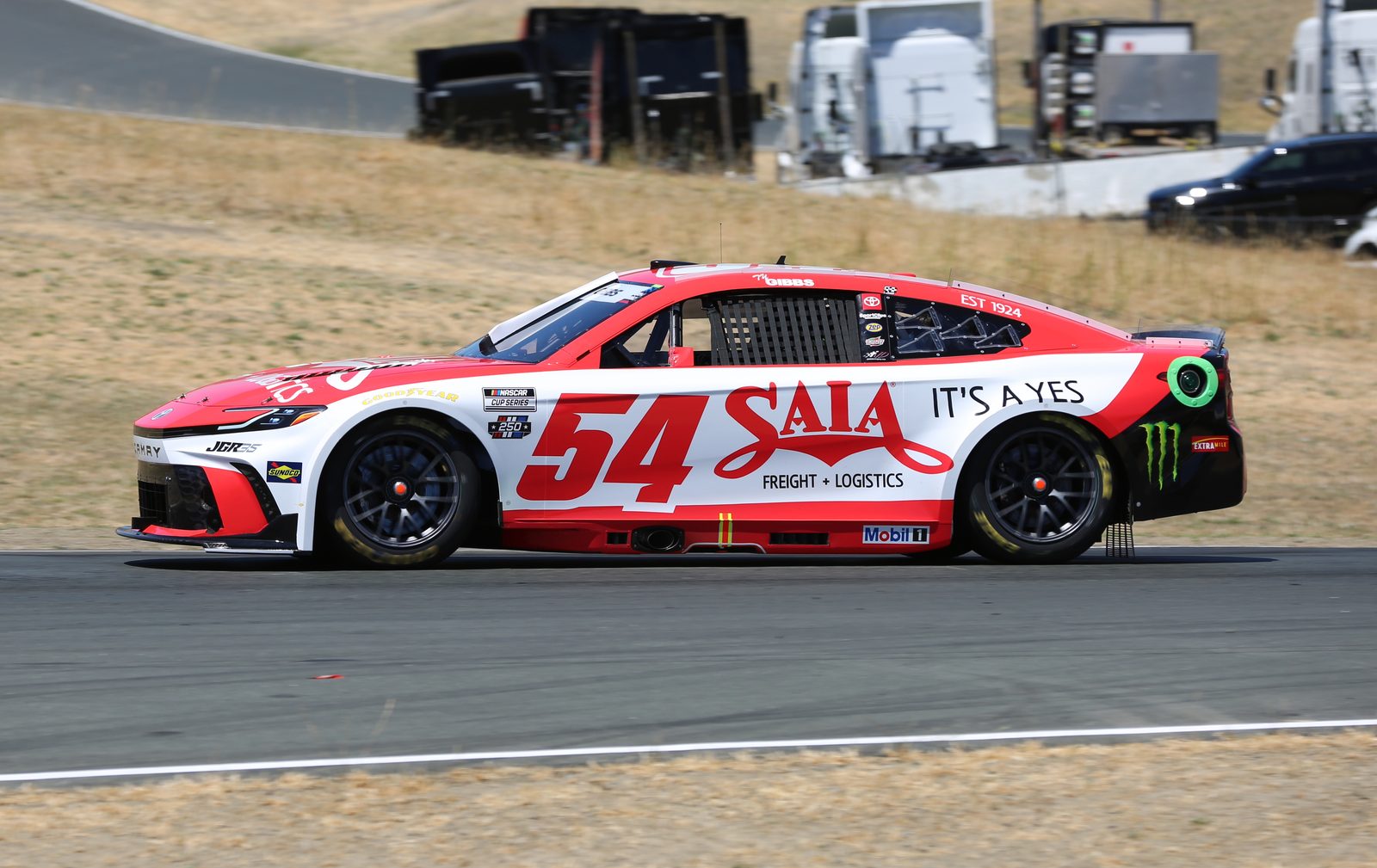
Ty Gibbs Waited 131 Starts for a First Cup Win. The Second One Took Four Months.
At Iowa, Gibbs took the final stage and held off Joe Gibbs Racing teammate Christopher Bell, turning a career that had produced nothing into two wins in one season.