
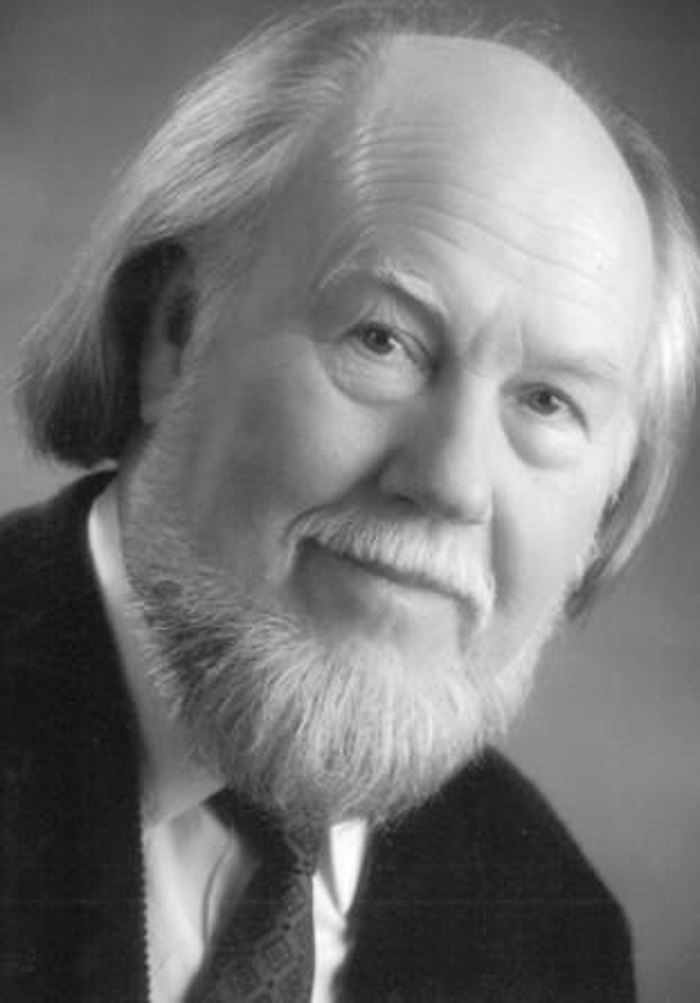
He Invented the Modern Seatbelt in a Year. His Employer Gave the Patent Away for Free.
Nils Bohlin spent years designing aircraft ejection seats before Volvo hired him to fix a problem that had been killing people in cars for decades. What Volvo did with his solution is the more remarkable part.
Before Nils Bohlin ever worked on a car, he spent years at Saab designing ejection seats — a job that requires figuring out, in extreme detail, how to keep a human body from being destroyed by sudden, violent deceleration. Volvo hired him as a safety engineer in 1958 specifically because that background was directly relevant to a problem the auto industry had never actually solved: the lap belts of the era did little to prevent the upper body from slamming into the steering wheel or windshield in a crash, and injuries from that alone were a major, well-documented cause of death in otherwise survivable accidents.
Bohlin solved it in roughly a year. His design split the restraint across two anchor points below the hip and one across the shoulder, distributing crash force across the body's strongest structures instead of concentrating it at the waist — the three-point belt shape that's now so universal most people have never considered an alternative. Volvo introduced it in production cars in 1959, and Bohlin's US patent, No. 3,043,625, was formally issued July 10, 1962.
What happened next is the part that separates this from an ordinary invention story. Volvo made the belt standard equipment and then did something almost unheard of in automotive business history: it opened the patent to every competitor in the industry, royalty-free, on the reasoning that a safety device this significant shouldn't be locked behind a licensing fee that would slow its adoption elsewhere. The company gave up what could have been a substantial revenue stream because the point was to get the belt into as many cars as possible, as fast as possible, not to profit from being first.
The three-point belt is now credited with saving an estimated one million lives worldwide since its introduction. Bohlin was posthumously inducted into the National Inventors Hall of Fame, and Volvo still marks the anniversary of the patent's release as a genuine milestone in its own safety-focused brand identity — not just as a company that built a good belt, but as one that gave it away.
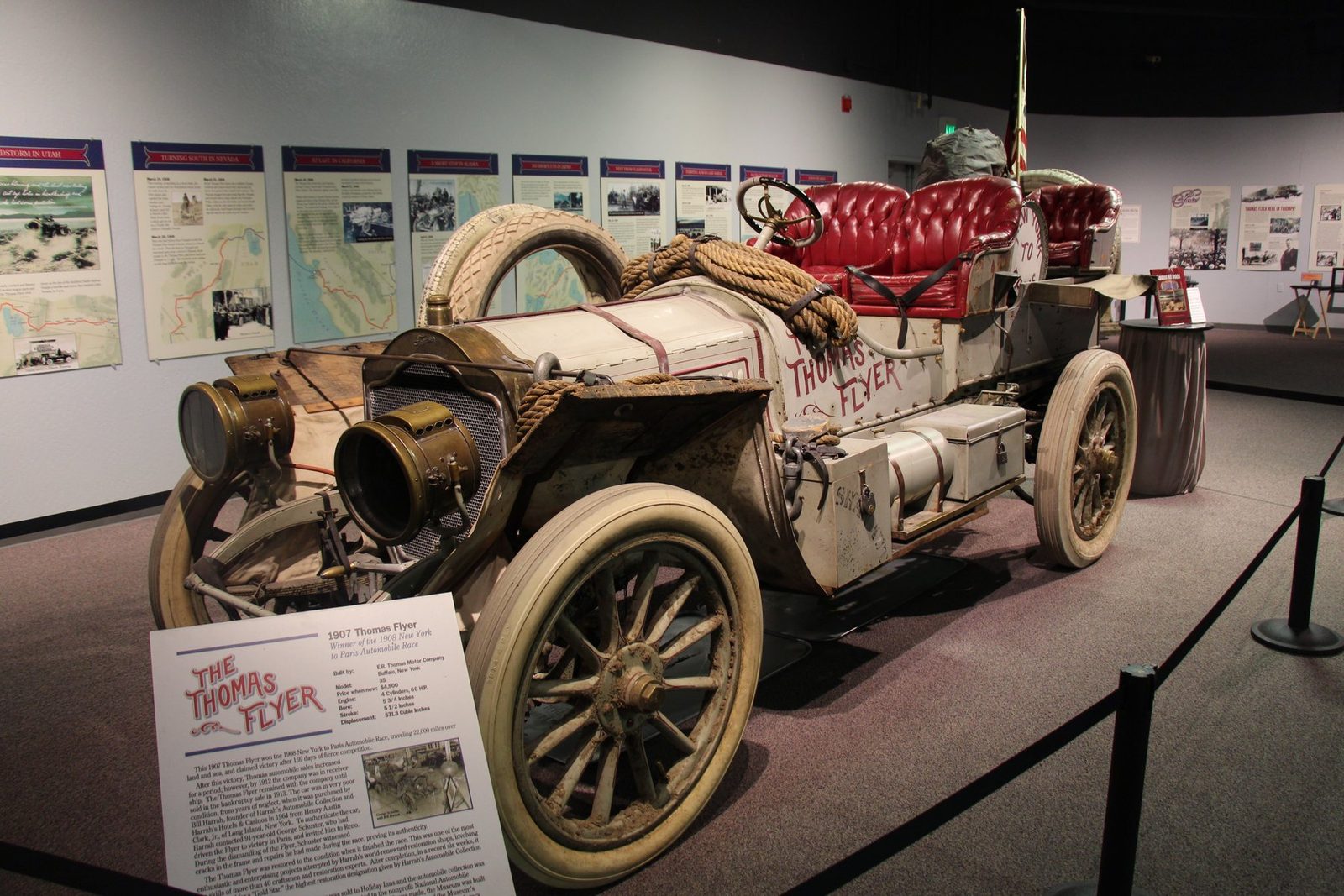
The Impossible Race: How a Buffalo-Built Car Won a Trip Around the World in 1908
Six cars from four nations set out from Times Square to drive to Paris — the long way, through Alaska, Japan, and Siberia. Only three finished, and the winner didn't cross the line first.
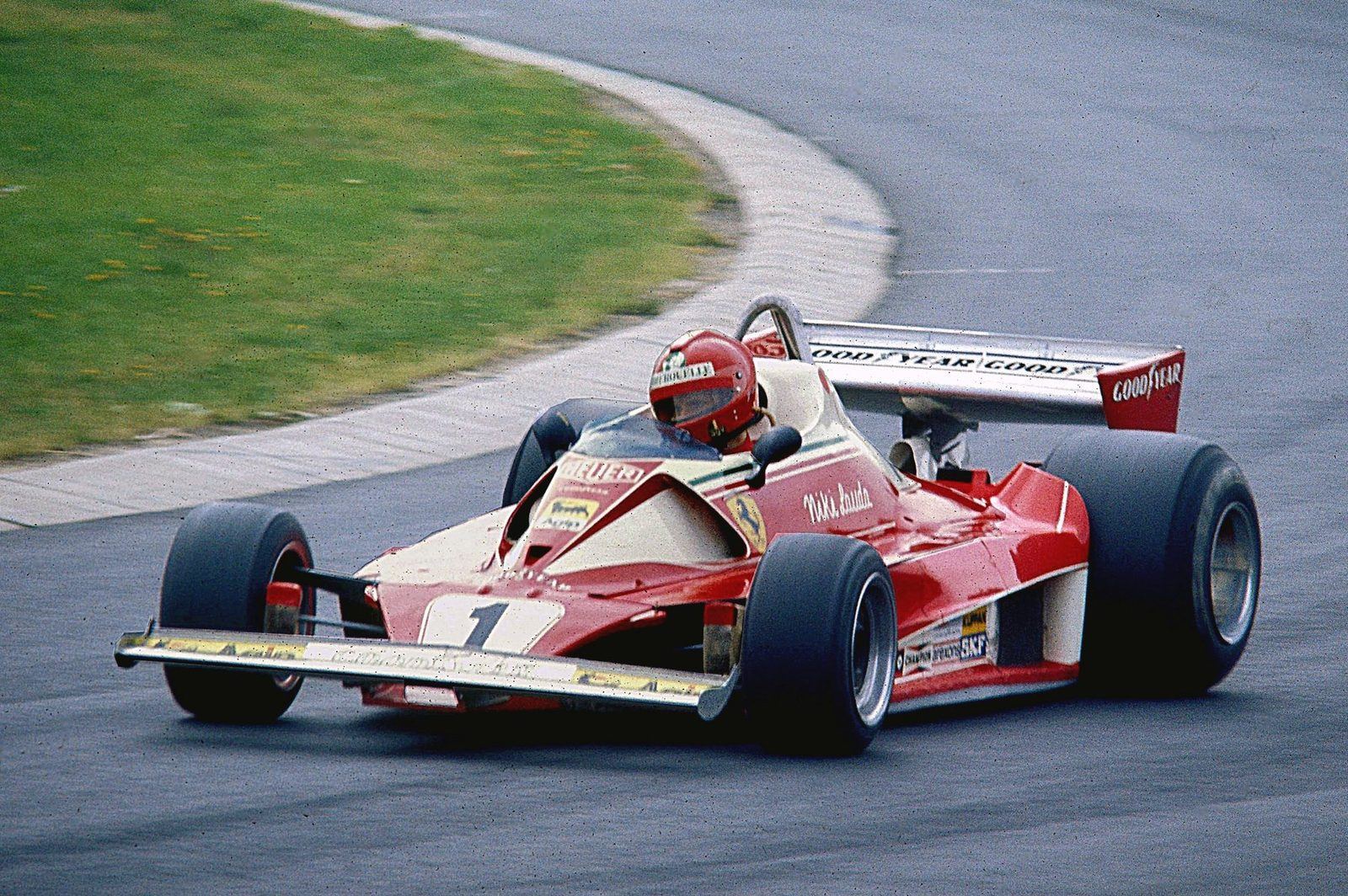
Fifty Years Since Bergwerk: The Crash That Ended Formula 1's Deadliest Circuit
On August 1, 1976, Niki Lauda's Ferrari caught fire on the Nürburgring Nordschleife. He survived, nearly won the title anyway, and the sport never raced a championship round on the full circuit again.
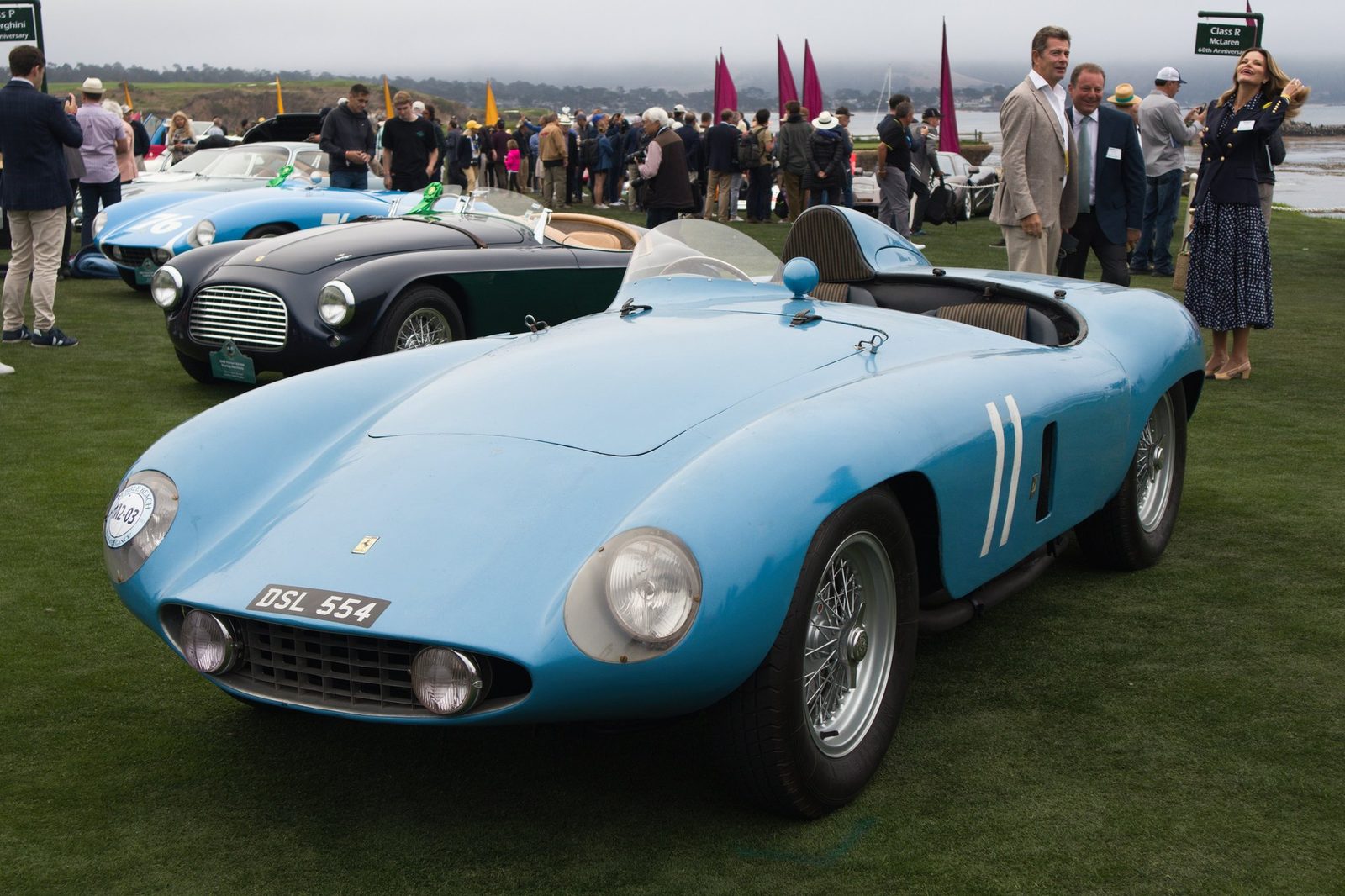
The 75th Pebble Beach Concours Is Giving Japanese Le Mans History Its Own Class
Ferrari headlines the 2026 field as the diamond-anniversary featured marque, but a new class built around Mazda, Toyota, and Nissan's Le Mans campaigns says as much about where the world's most tradition-bound car show is headed as any of the six-figure restorations parked on the 18th fairway.