
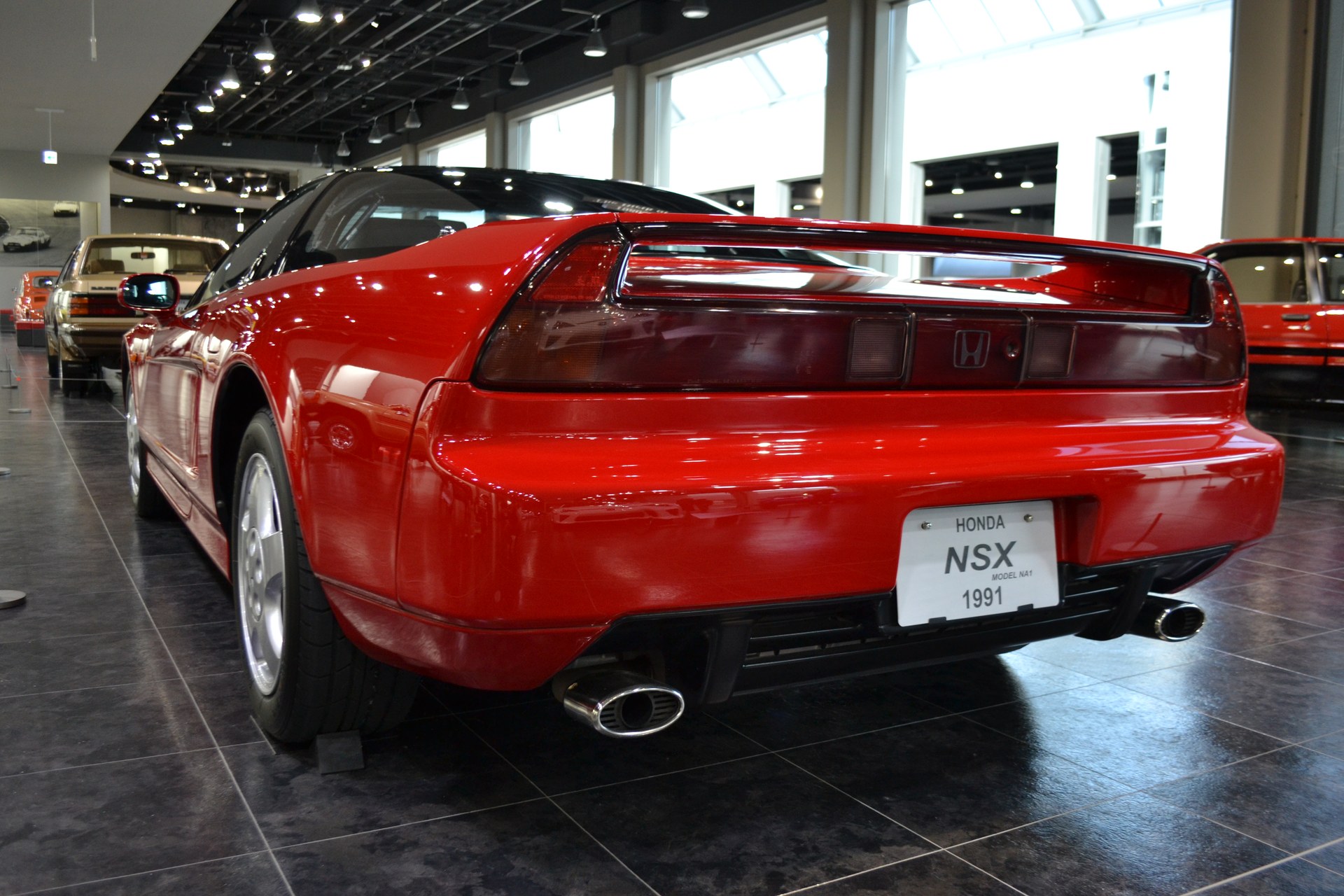
Pininfarina Redrew the NSX, and the Only Two Pedals It Left Out Are the Ones You'd Miss
JAS Motorsport's Tensei keeps the pop-up headlights, the naturally aspirated V6 and a six-speed manual. The newly revealed cabin is the last piece before a Paris debut in October.
The car is called Tensei, the Japanese word for rebirth, and it is the first road car JAS Motorsport has ever put its name to. The Italian outfit has spent about three decades preparing Honda competition cars — its own material puts the tally north of 900 event wins — and it has now built a supercar on the bones of the one Honda road car that its racing customers have always spoken about differently. Pininfarina, at the other end of northern Italy in Cambiano, outside Turin, drew the body.
This week's news is the interior, and it is the reveal that tells you what the project actually is. The cabin is finished in contrasting black and red with machined metal on the gear knob and door handles, and there is a touchscreen and a TFT instrument cluster in it — but the through-line, as evo put it after seeing the images, is a deliberate refusal of unnecessary modern gimmicks. Carscoops framed the same idea more usefully: the design modernizes the original without pretending the 1990s got everything wrong.
The mechanical brief backs that up. Donor cars are early-1990s NA1 NSXs. The engine is a naturally aspirated V6 derived from the original architecture, and it drives the rear wheels through a six-speed manual. There are no turbos, no electric motors and no paddles. Both left- and right-hand drive will be offered.
Everything outside the glass is new carbon fibre. The signatures of the NA1 survive — the black canopy roof, the pop-up headlights, the bridge-style rear spoiler — reworked rather than replicated, with a large hood duct, reshaped side cooling vents, LED daytime running lights, and an LED reinterpretation of the original's full-width taillight bar. Reports describe a wider track, a longer wheelbase and a shorter rear overhang than the donor car, though JAS has not published dimensions.
What the company has not published is more interesting than what it has. There is no power figure, no price, and no production number beyond the phrase "ultra-limited series." For reference, the car being reinterpreted made 270 horsepower at 7,100 rpm and 210 lb-ft at 5,300 from its 3.0-liter C30A V6 in manual form — a number that was extraordinary in 1990 for how it was delivered rather than for its size. The Tensei is expected to exceed it, but nobody has said by how much.
Assembly happens at JAS's atelier in Arluno, outside Milan, with bespoke commissions handled by Pininfarina in Cambiano. That split is not marketing arrangement so much as a description of the two skill sets involved: a race shop that has been building Hondas since the touring-car era, and a carrozzeria that has been shaping other people's cars since 1930.
JAS first announced the project in October 2025, at which point the development prototype was in what the company called the dressing phase and the unveil was penciled in for the first half of 2026. That slipped. The public debut is now set for the 91st Paris Motor Show at Paris Expo Porte de Versailles, which opens to press on October 12, 2026 and to the public the following day.
The restomod field is crowded now, and most of its entrants have converged on the same answers: more boost, more power, more screens. The Tensei's pitch is that it read the NSX correctly in the first place — a mid-engined car whose whole argument was clarity rather than violence — and that the right way to honor it is to leave the third pedal where Honda put it.
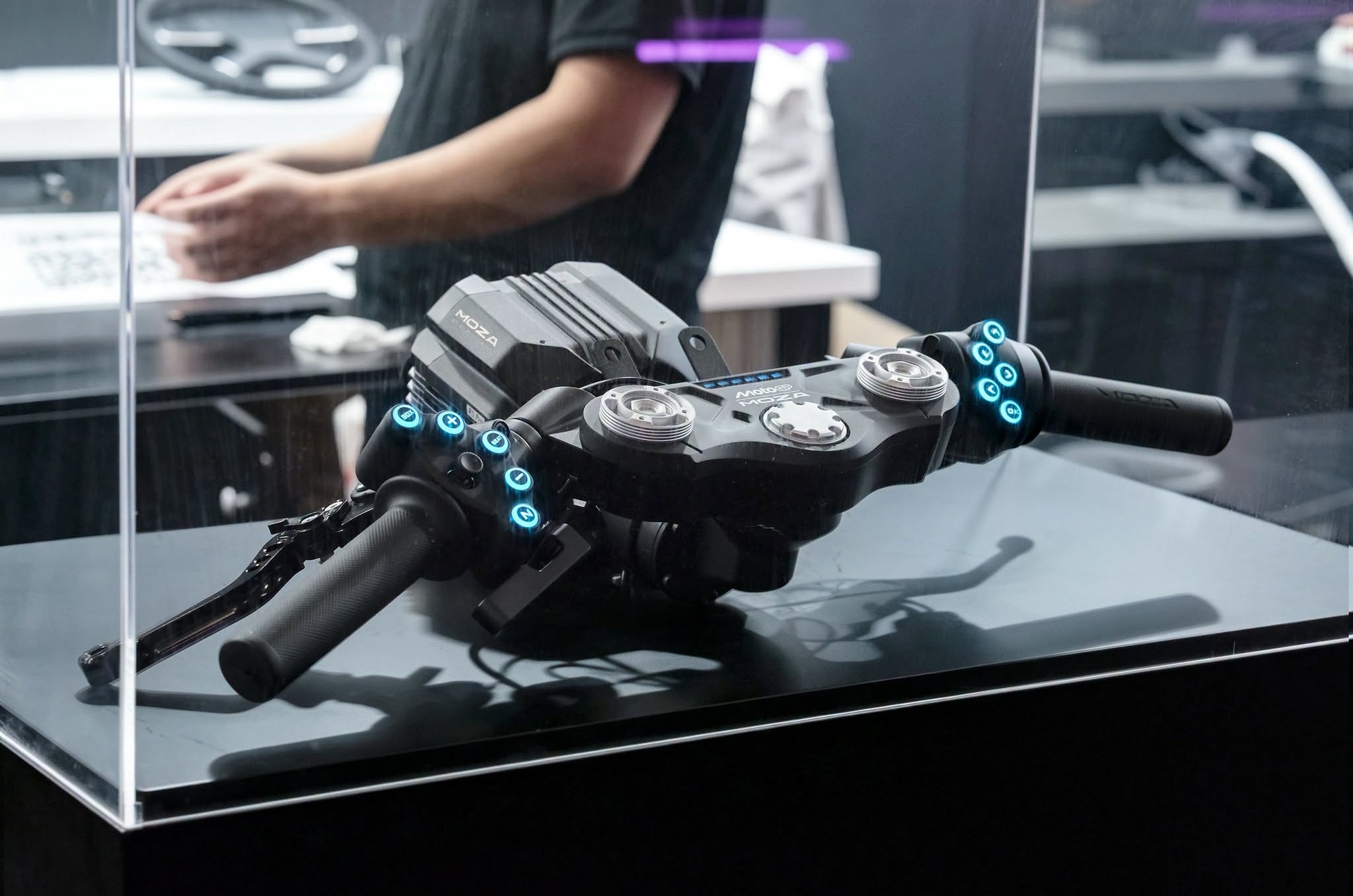
MOZA Brought Four Licensed Wheels to Gamescom. The Thing Worth Watching Was the Handlebar.
Porsche, Ford and two Mercedes wheels made the headlines in Cologne. But the MotoGP-licensed handlebar is the only piece doing something MOZA has never done before — and almost nothing shown has a price.
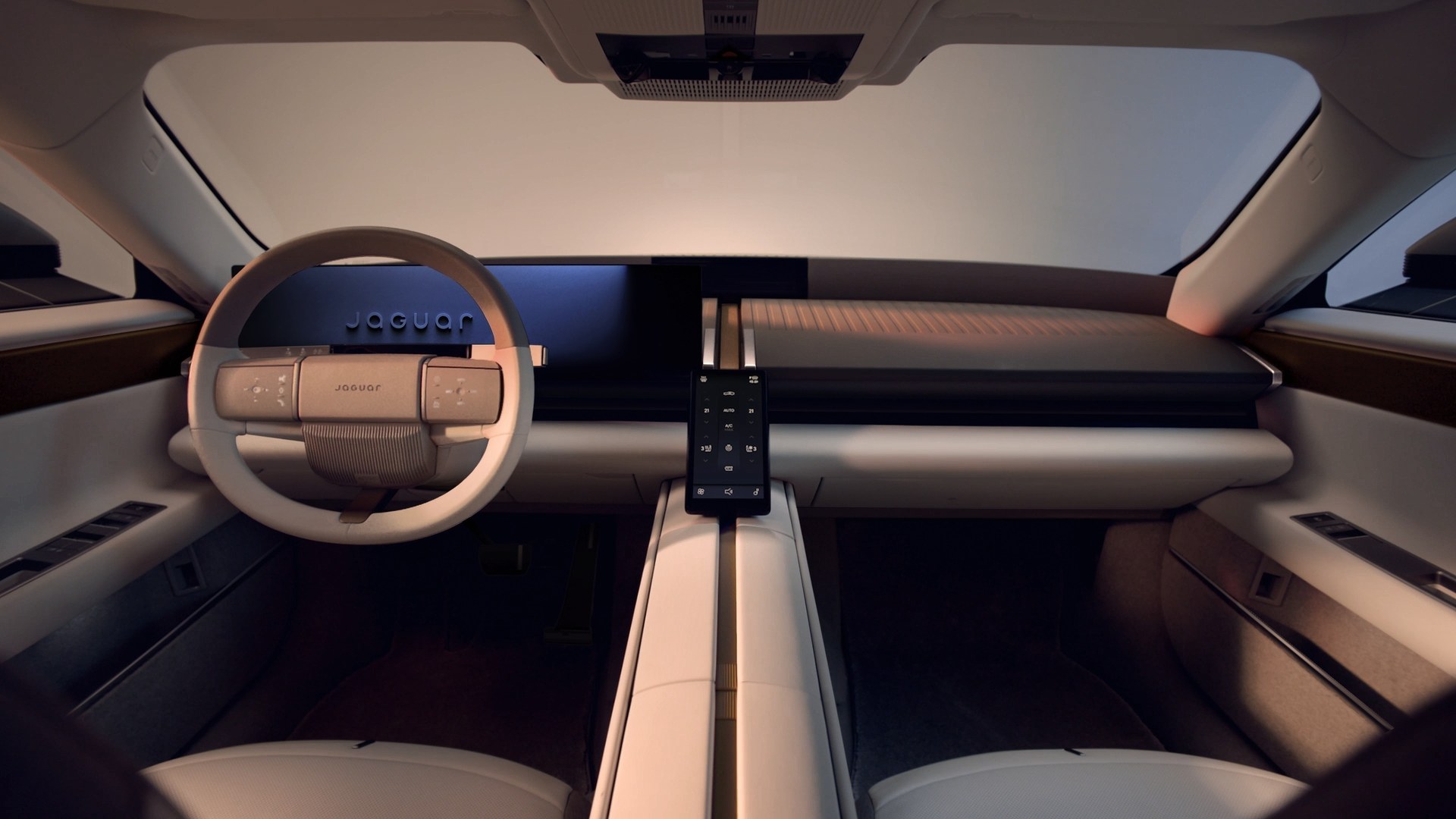
Jaguar Split the Type 01's Cabin Down the Middle
The first interior images of Jaguar's electric four-door GT show a brass-finished spine running end to end, four separate seats, and a dashboard designed to hide most of its technology.
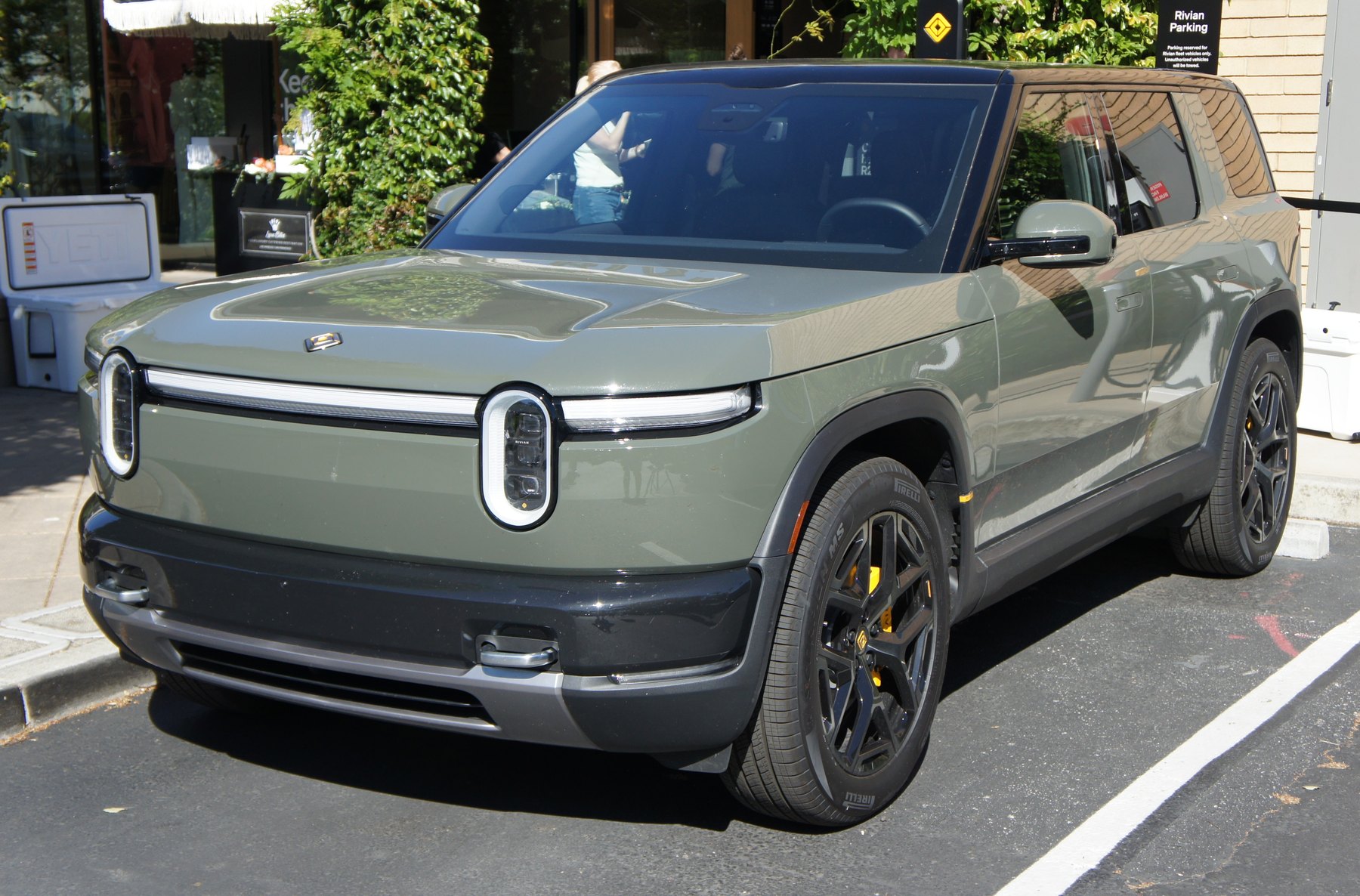
Everybody Loved the Rivian R2. Nobody Has Driven the One That Actually Matters.
The reviews that landed on June 9 were close to unanimous — and every single one of them was of a $57,990 Performance. The $44,990 version Rivian's whole future is riding on doesn't show up until 2027.