
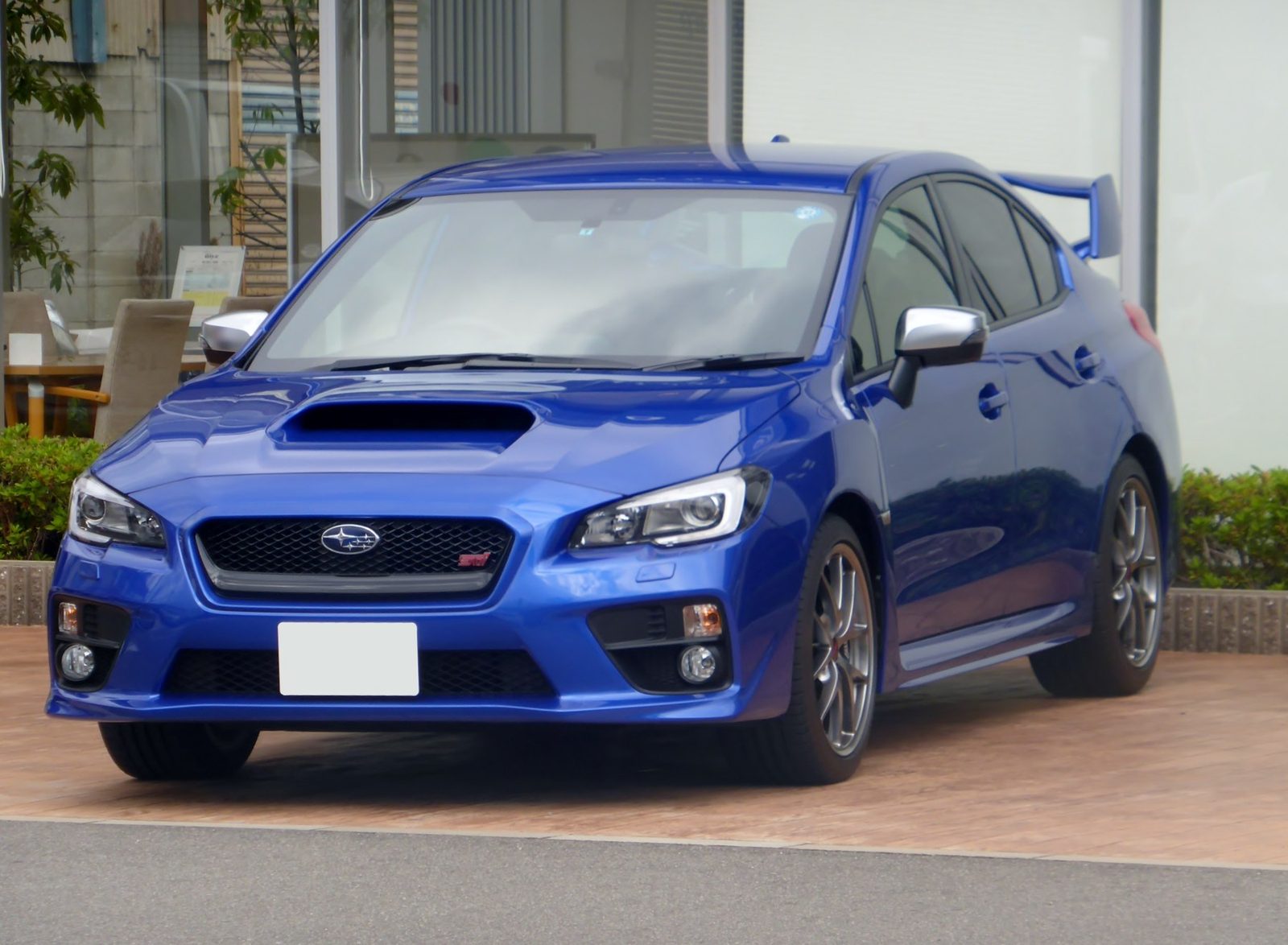
Quattro, DCCD, and ACD Solve All-Wheel Drive Three Different Ways
Audi, Subaru, and Mitsubishi all built legendary AWD systems, but each one is a direct product of the chassis it was designed around — not just three brands doing the same thing differently for marketing reasons.
Audi's Quattro system, Subaru's DCCD, and Mitsubishi's ACD are the three most name-checked all-wheel-drive systems in enthusiast car culture, and they get talked about almost interchangeably — three ways of doing the same job. They're not, really. Each system grew out of the specific chassis layout its manufacturer was already building around, which means the engineering differences aren't arbitrary, they're downstream of decisions made about engine orientation and platform architecture years before anyone was tuning a center differential.
Quattro, since its 1980 introduction, is built around a transfer case and clutch-pack layout suited to Audi's longitudinal-engine platforms — the same basic chassis orientation as a traditional rear-wheel-drive car, just with power sent to both axles. It's the system with the longest history of the three, and its basic architecture has stayed recognizable across four decades of Audi model changes even as the electronic control around it has gotten more sophisticated.
Subaru's DCCD, found on WRX STI models, is built for a completely different starting layout — a boxer engine mounted longitudinally with a symmetrical drivetrain running straight back through it. DCCD uses an electromagnetically engaged center diff clutch pack, and it's rear-torque-biased by design, never sending more than 50% of power to the front axle even at its most front-weighted setting. That bias is a direct product of the boxer-engine, symmetrical-AWD layout Subaru has built its performance cars around since the 1990s.
Mitsubishi's ACD, introduced on the Evo in 2001, is built for yet another layout — a transverse engine over a front-transaxle, the same basic architecture as a front-wheel-drive economy car before Mitsubishi's engineers added a driveshaft to the rear. ACD is ECU-controlled but largely automatic, with driver input limited to Tarmac, Gravel, and Snow mode selection rather than a direct adjustable bias like DCCD offers.
The common thread across all three: despite feeling mechanical from the driver's seat, DCCD and ACD are both ECU-mediated systems, not purely hydraulic or clutch-based hardware doing all the work independently — a detail that surprises a lot of owners who assume "limited-slip center diff" means no computer is involved. The actual engineering differences between Quattro, DCCD, and ACD aren't a ranking of which is "best." They're a record of three manufacturers solving the same traction problem from three different starting chassis, none of which were built with the other two in mind.
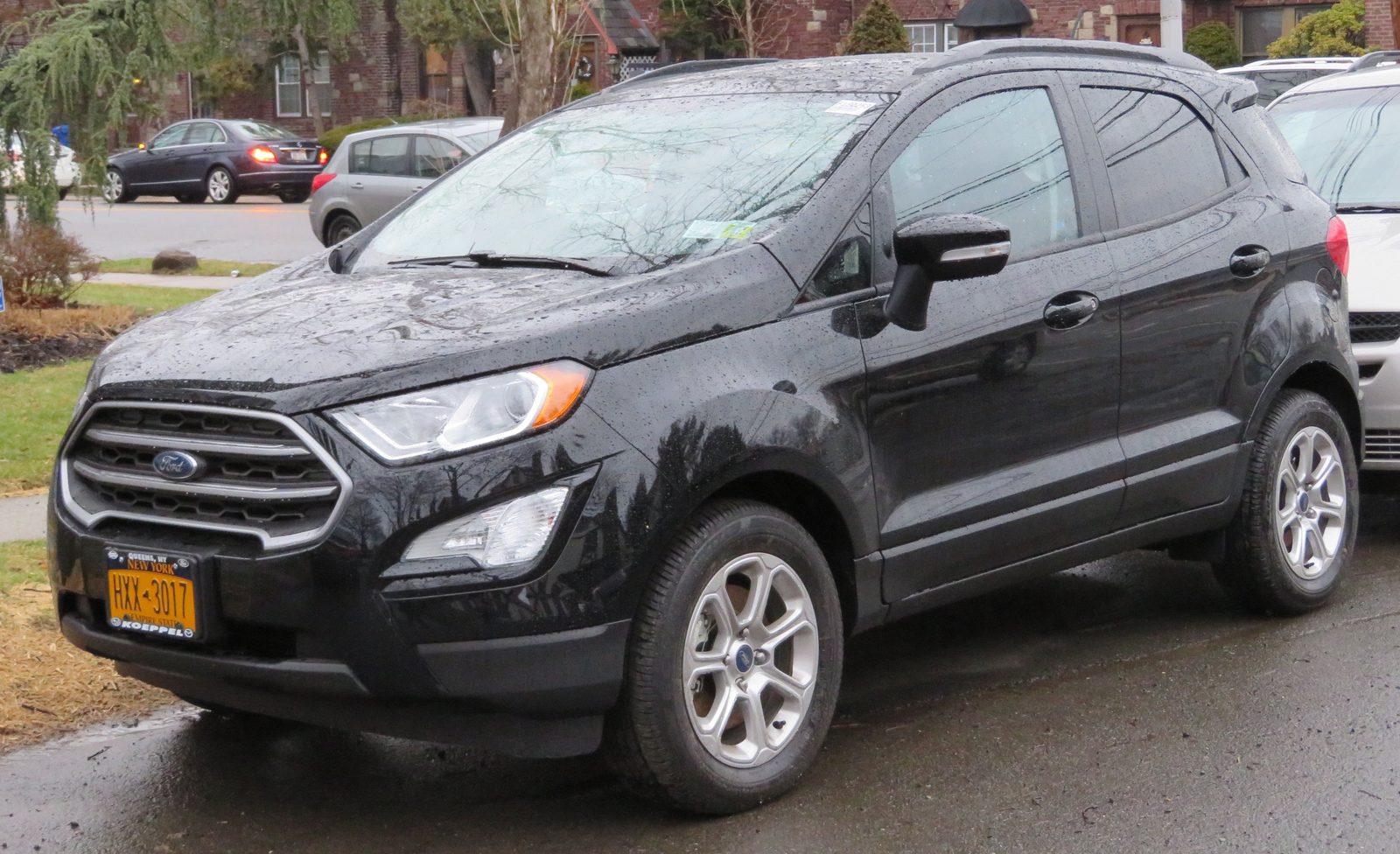
Ford Ran the Timing Belt Through the Oil. Federal Investigators Say the Belt Is Now Starving the Engine.
A belt-in-oil drive is quieter and lower-friction than a chain. NHTSA's new engineering analysis says the 1.0-liter EcoBoost's belt sheds material that clogs the oil pump pickup — and that screen can't be cleaned without pulling the engine.
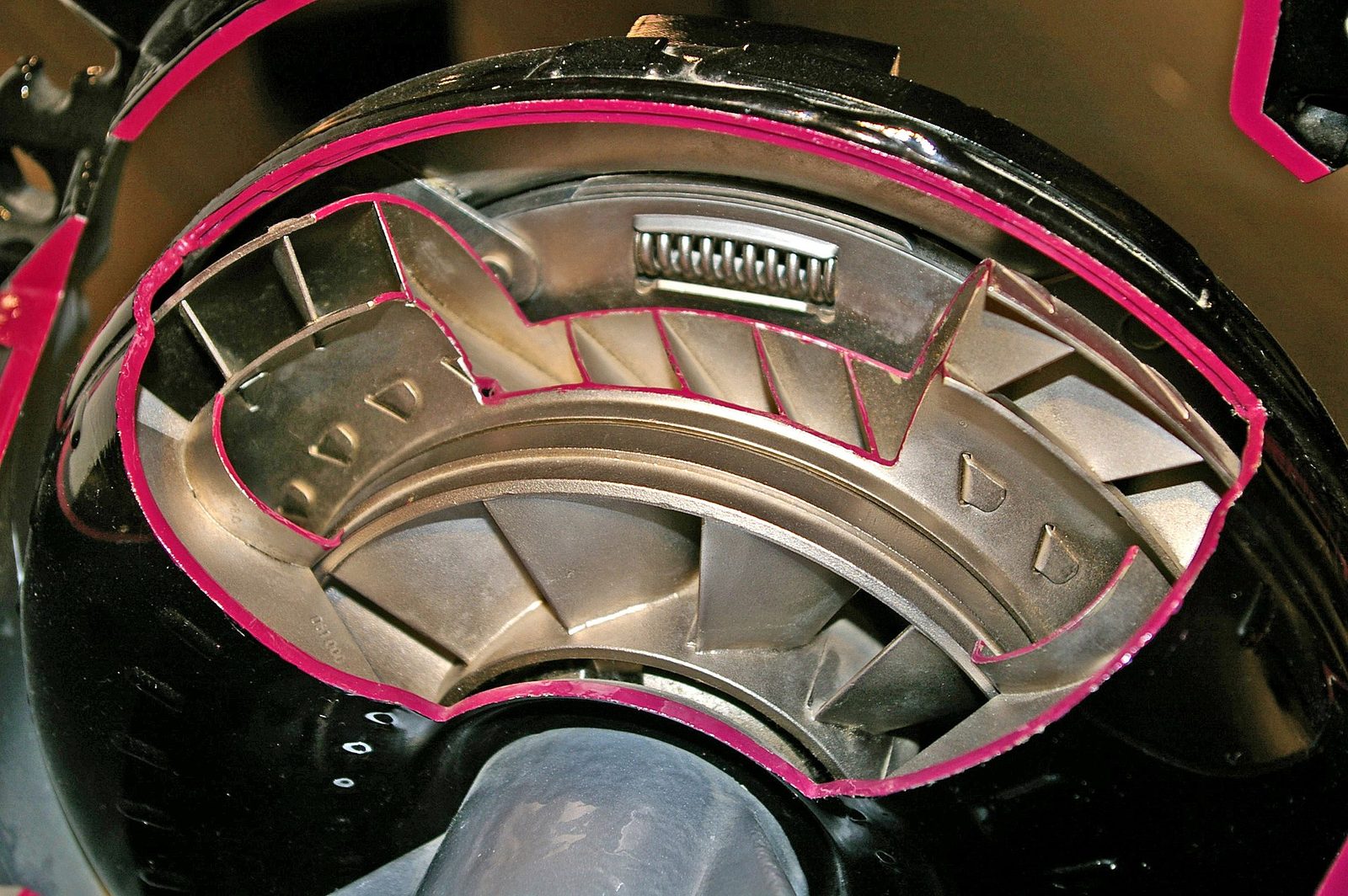
The Automatic's Oldest Trick: How a Torque Converter Multiplies Torque With No Gears
It has no gear teeth and nothing that meshes, yet a torque converter can roughly double engine torque off the line. The part doing the work is the one bolted to nothing at all.
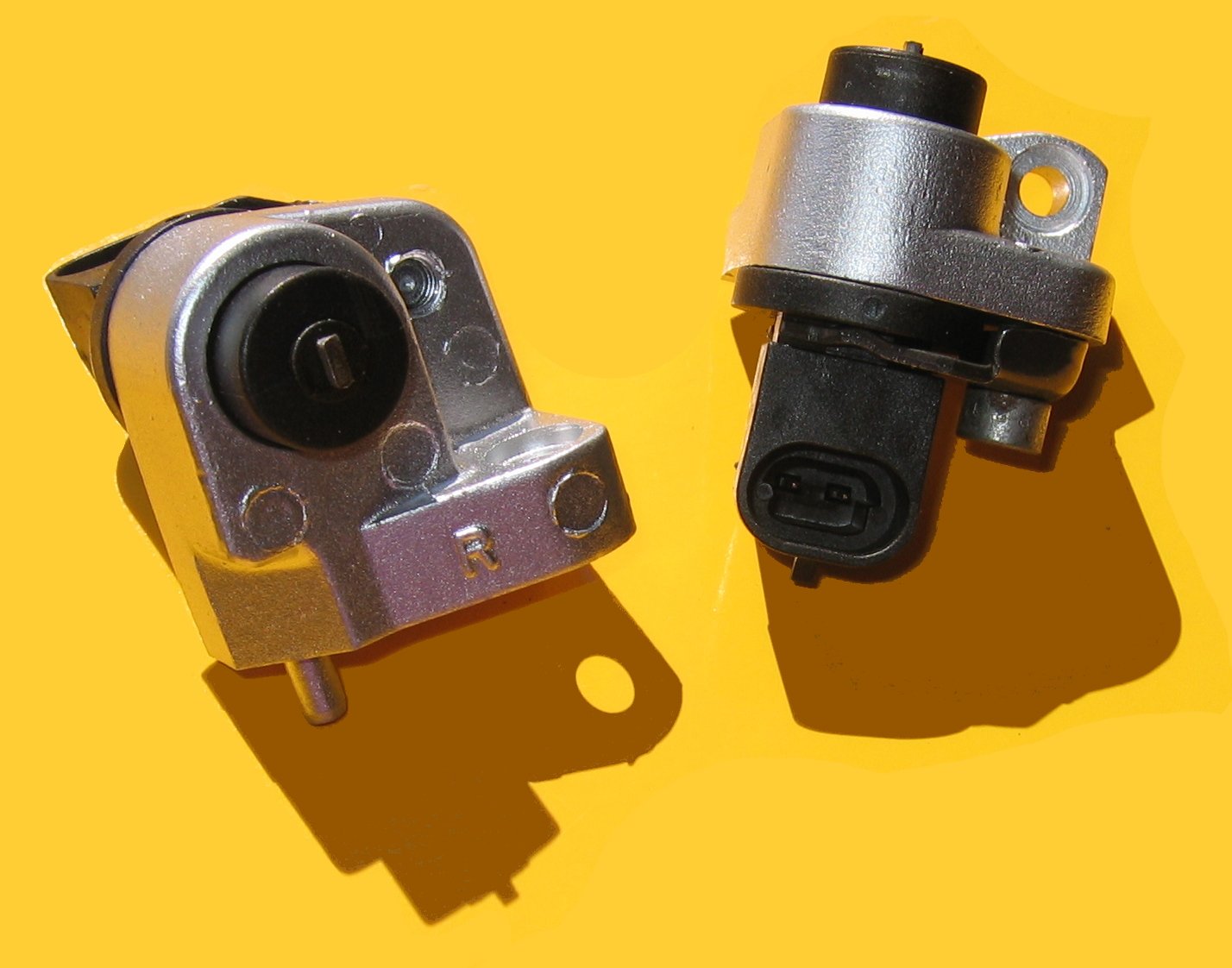
How Electronic Stability Control Reads a Slide and Corrects It Before the Driver Even Feels It
A network of wheel-speed, steering-angle, and yaw sensors checks the car's actual path against the driver's intended one many times a second — and brakes a single wheel to pull it back if the two disagree.